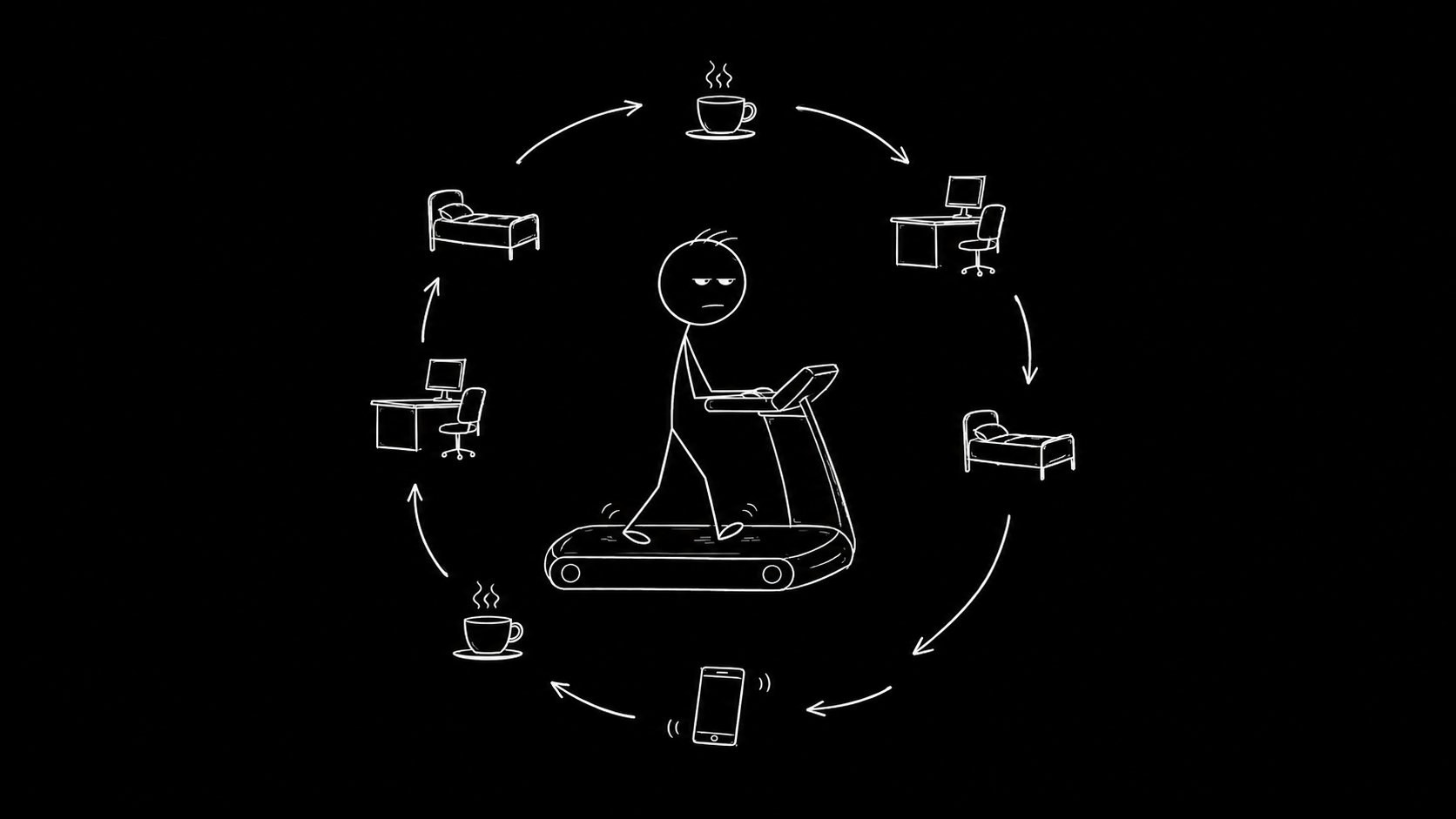
You have heard of quiet quitting at work. Doing the bare minimum, staying within the lines of your job description, withdrawing your extra effort without ever announcing it. But there is a version of this that nobody talks about, and it is far more dangerous. It is quiet quitting your own life.
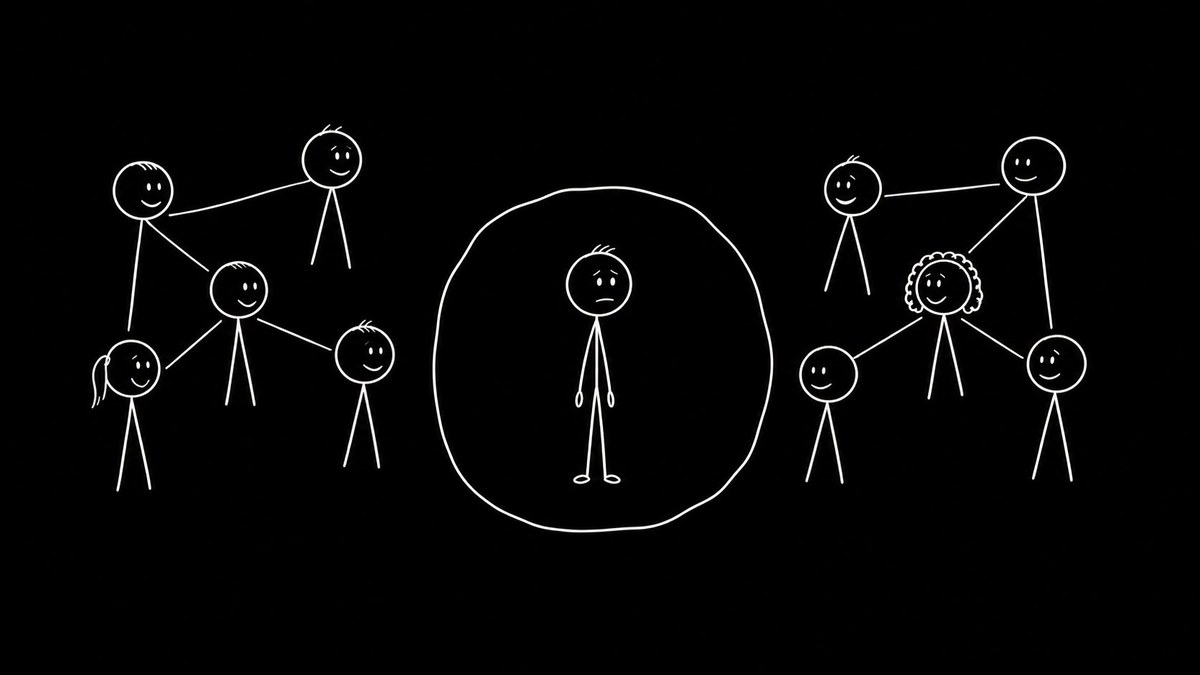
It looks like this. You wake up, you do the things, you answer the messages, you show up where you are supposed to be. From the outside, nothing is wrong. But somewhere inside, you have stopped participating. You are present in your life the way an employee who has mentally checked out is present at their desk. Going through the motions. Collecting the paycheck of just getting through the day.
How it happens
Nobody decides to quiet quit their life. It is not a choice. It is an accumulation. It happens through a thousand small surrenders, each one too minor to notice. You stop suggesting the restaurant because it is easier to go along. You stop bringing up the thing that bothers you because the conversation is exhausting. You stop planning the trip, starting the project, making the call. Each individual surrender makes sense. Together, they add up to a life you are watching instead of living.
The autopilot trap
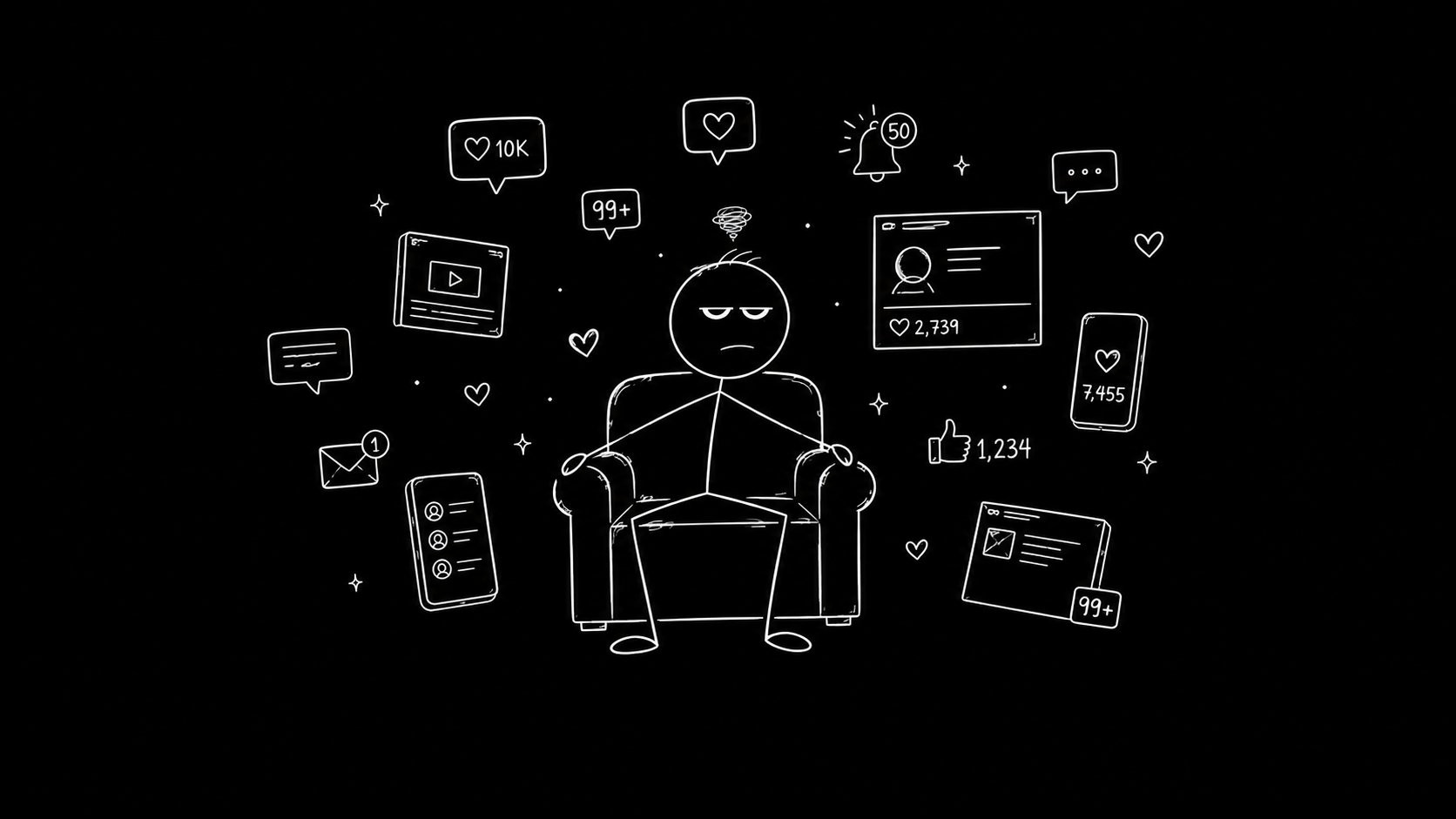
The human brain loves autopilot. It is efficient. It conserves energy. Once a routine is established, your brain stops paying full attention, because it does not need to. This is useful for brushing your teeth. It is catastrophic when it takes over entire years of your life.
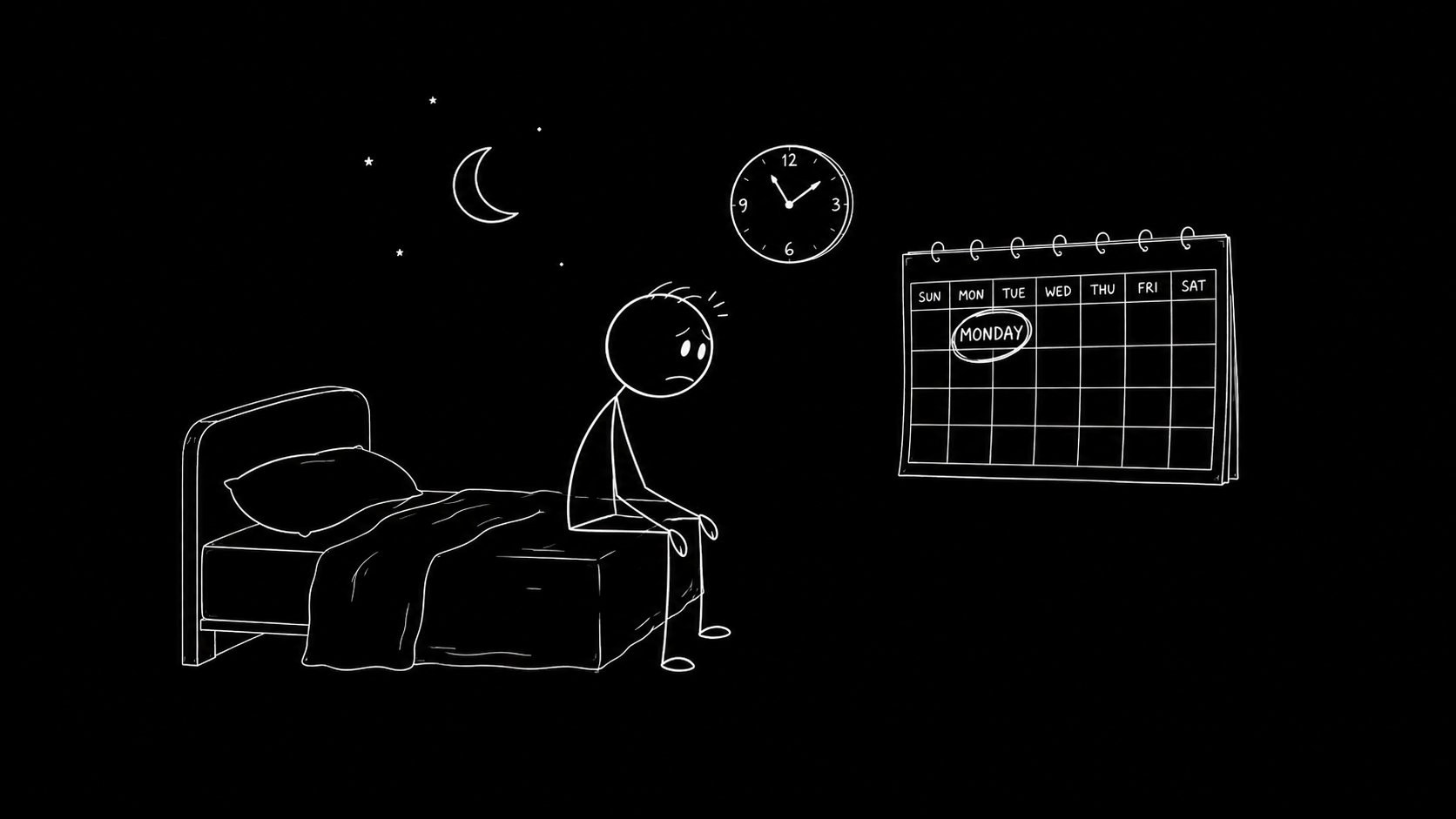
The danger of autopilot is that it feels like nothing. There is no crisis, no rock bottom, no dramatic moment that forces a change. You just drift. And because there is no pain sharp enough to demand attention, you can drift for a very long time. People wake up at 40, 50, 60 and wonder where the time went. It went into autopilot. It went into going through the motions.
The signs you have checked out
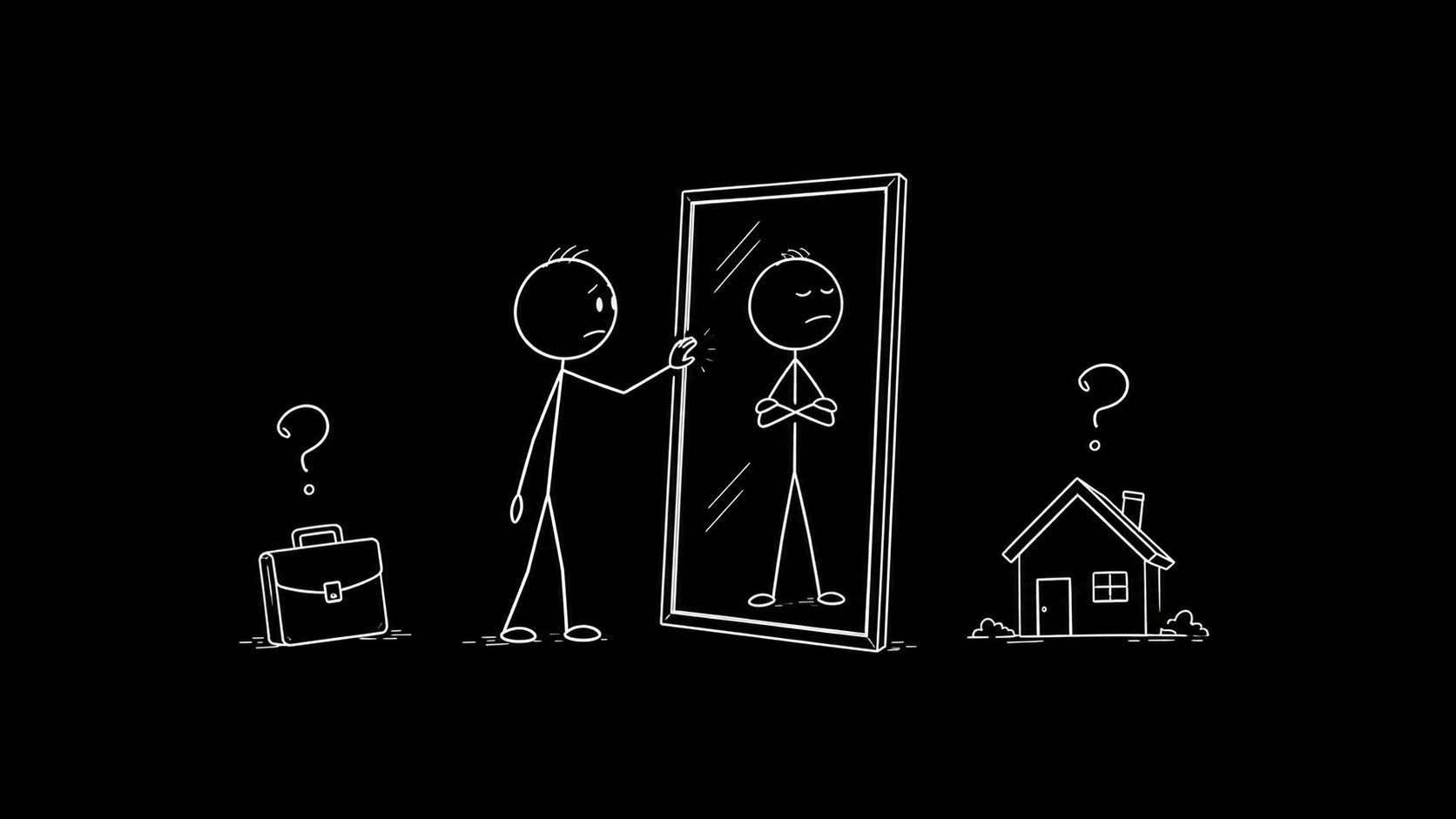
You struggle to remember the last time you felt genuinely excited about something. Your weeks blur together. You make decisions based on what requires the least energy rather than what you actually want. You feel like a spectator narrating your own life rather than the person living it. You catch yourself thinking "is this it?" and then immediately push the thought away because it is too uncomfortable to sit with.
How to come back
You do not reverse this with a dramatic life overhaul. That is the mistake people make. They feel the numbness, panic, and try to fix everything at once, which is overwhelming and unsustainable. You come back the same way you left. One small act at a time.
Make one decision this week based purely on what you want, not on what is easiest. Suggest the restaurant. Bring up the thing. Start the small project. The goal is not to fix your whole life. The goal is to remind yourself that you are still in there, still capable of wanting things, still able to participate. Engagement is a muscle. It atrophies from disuse, and it rebuilds the same way, through use.
Quiet quitting your life is reversible. But only if you notice it. And the fact that you are still reading this means part of you already has.
If you recognized yourself here, The Year I Stopped Pretending and Nothing Feels Good Anymore are about waking back up to your own life.
Marieme Seck is the author of self-help audiobooks available on Spotify and 30+ platforms worldwide.