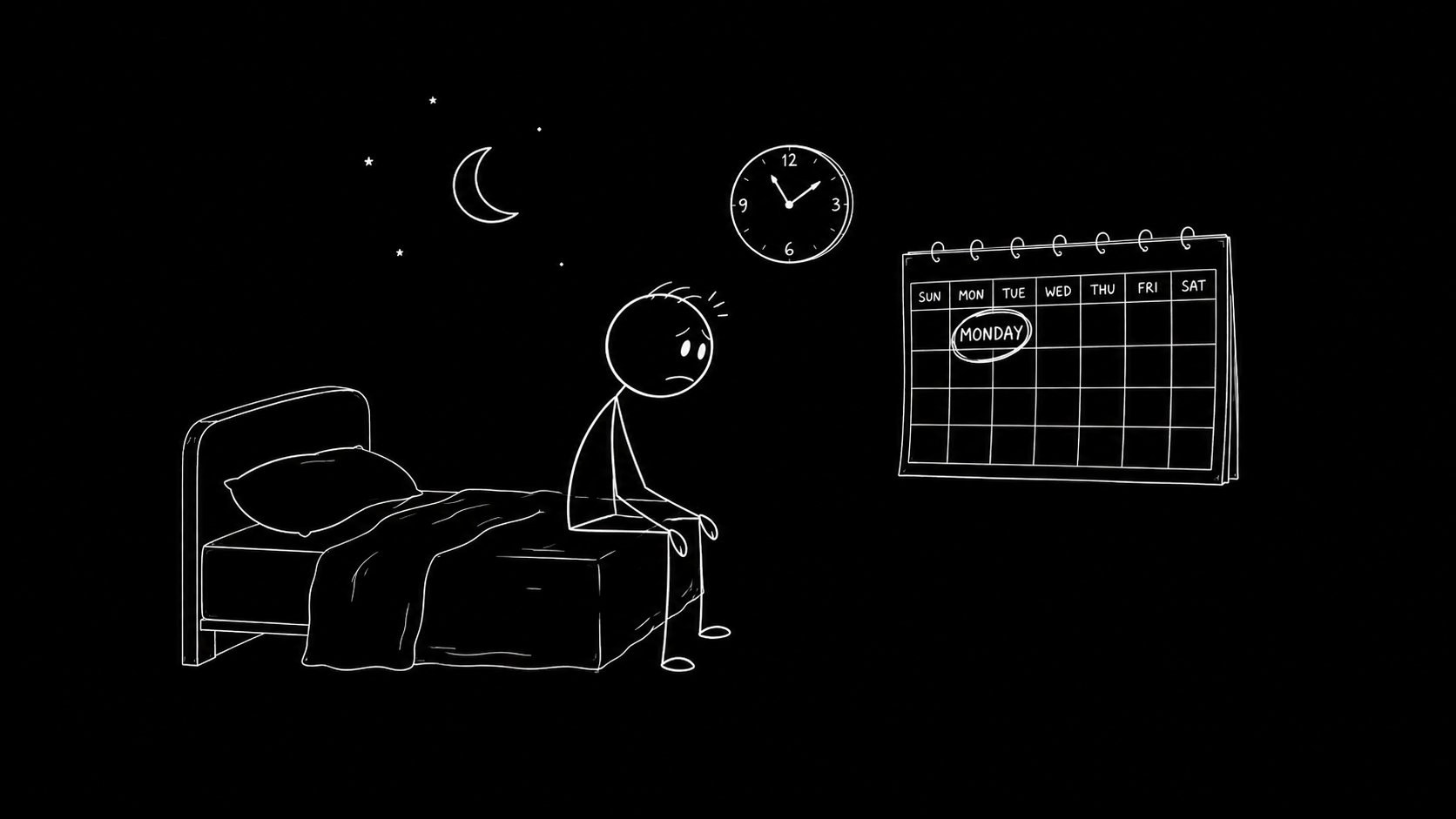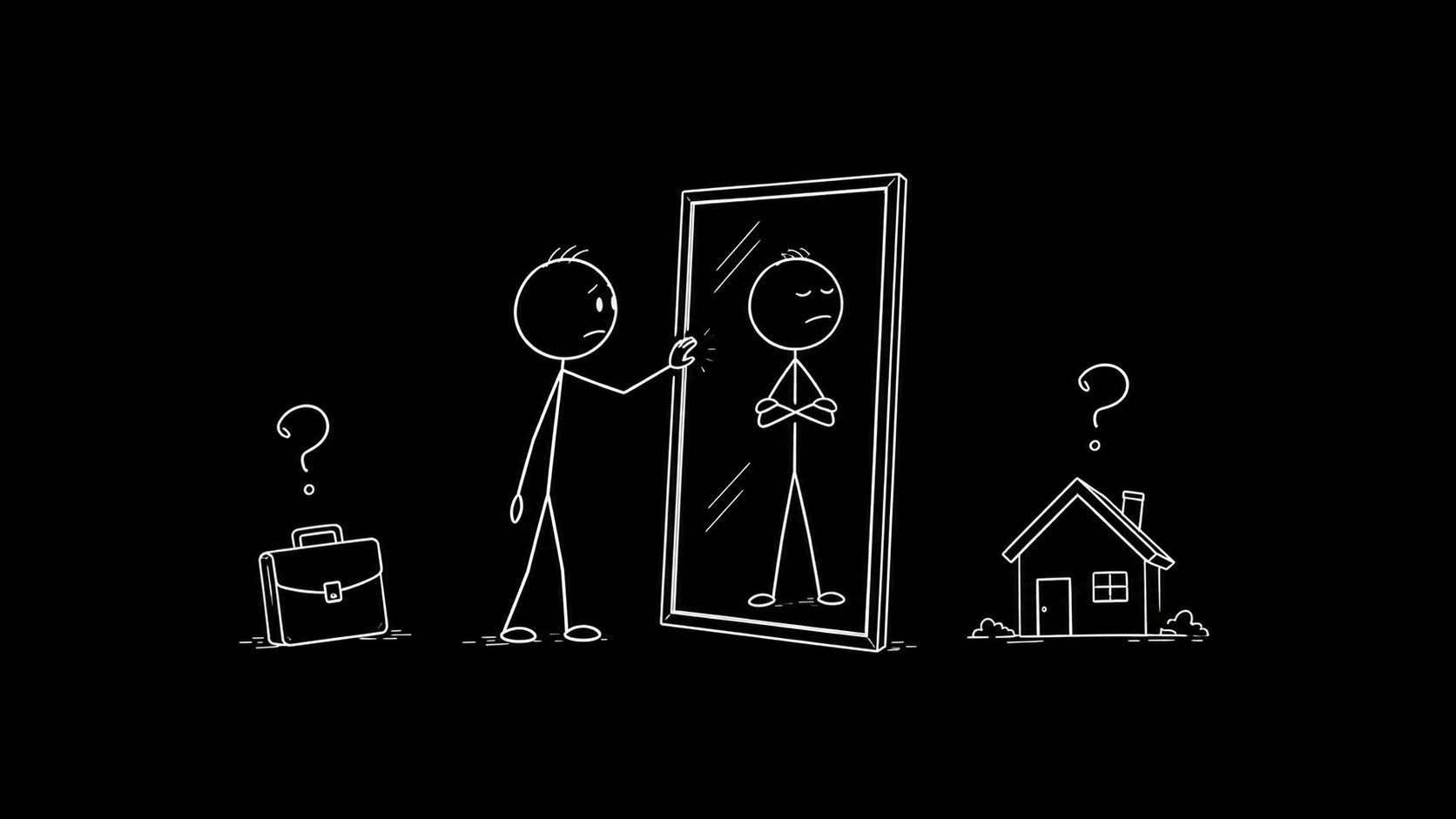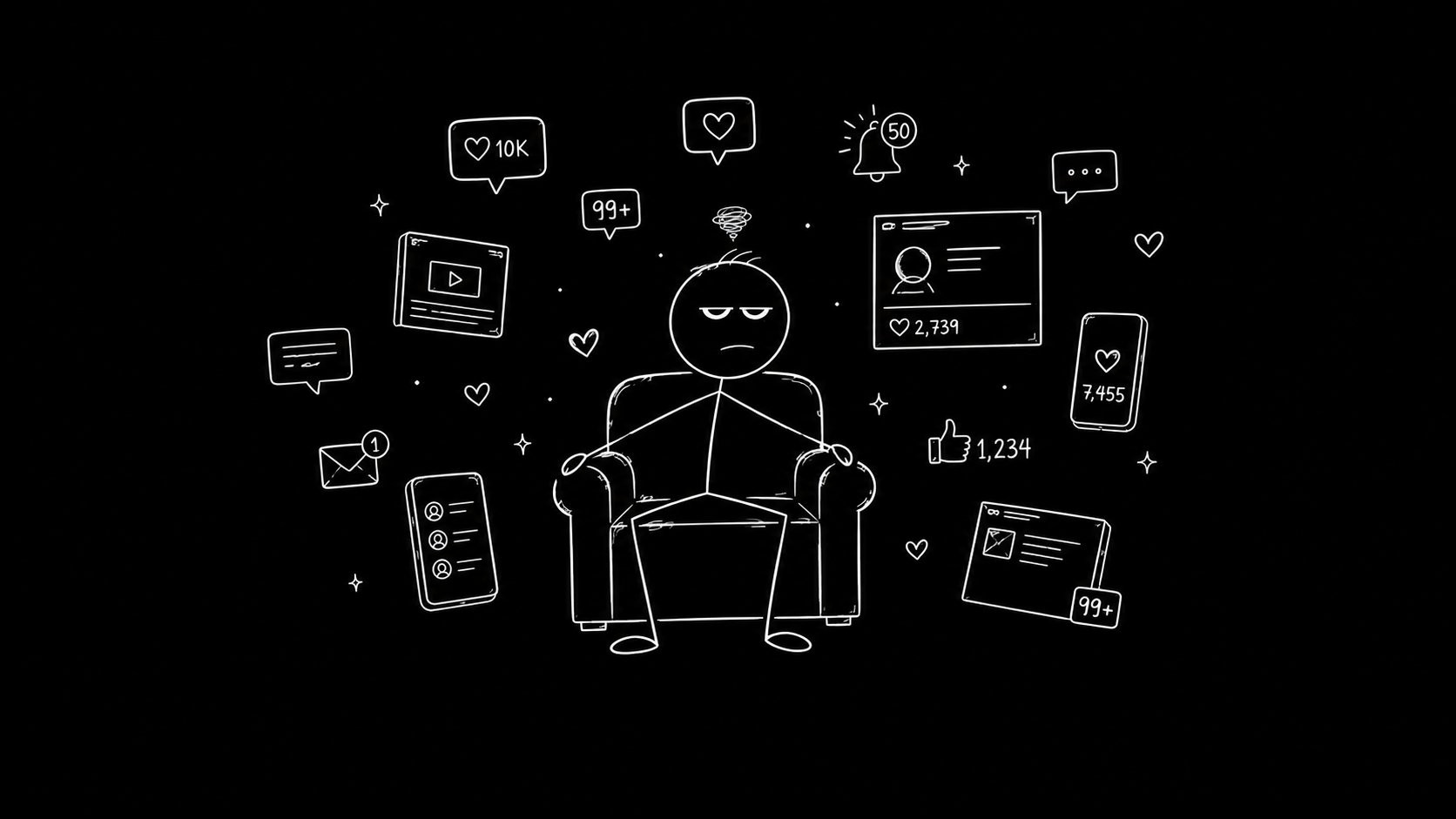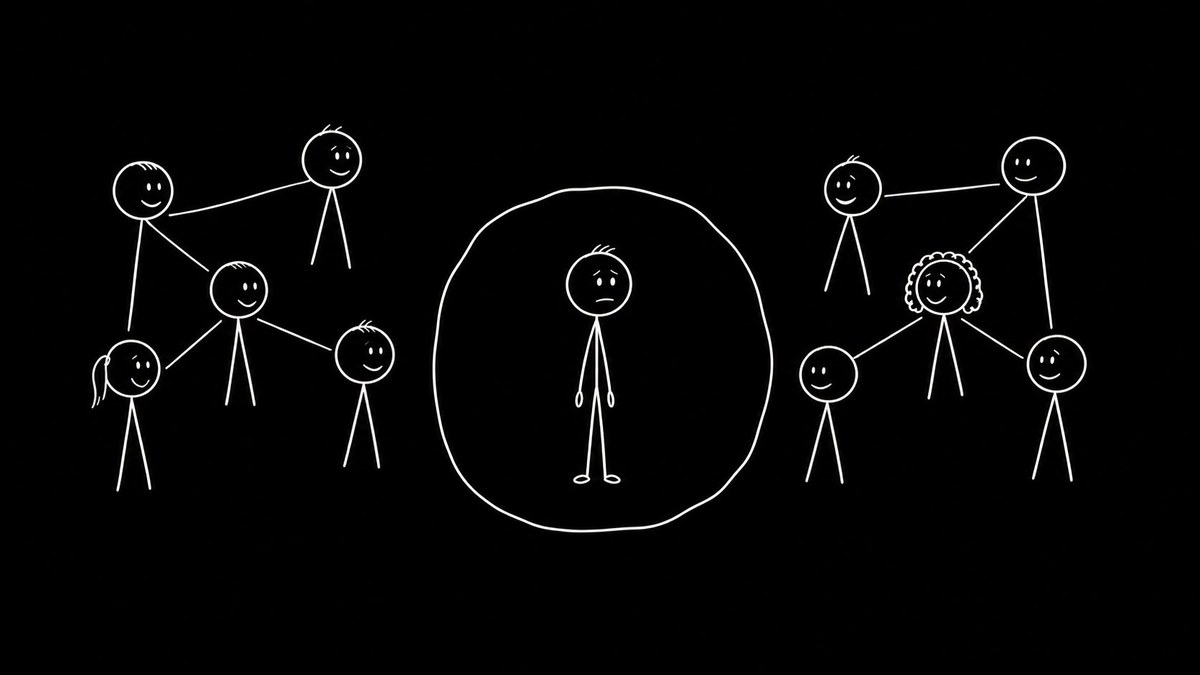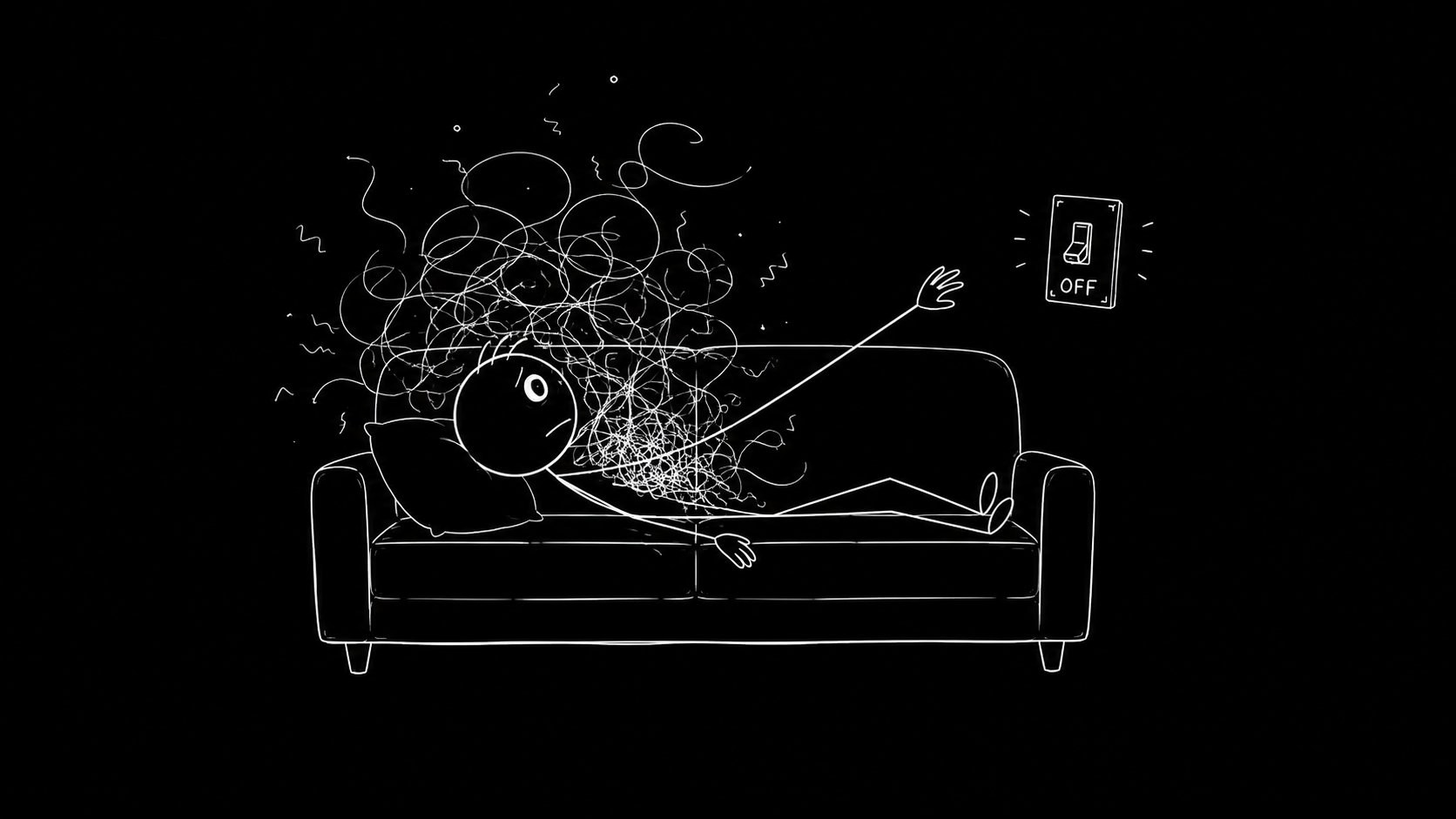
You finally have a free evening. Nothing to do, nowhere to be, no one needing anything from you. This is the moment you have been craving all week. And yet, you cannot settle. You feel restless, vaguely guilty, like you should be doing something. Your body is tense for no reason you can identify. You try to watch something, scroll something, anything to fill the strange discomfort of having nothing to do. Rest is right there and you cannot access it.
If this is you, the problem is not your willpower or your habits. The problem is that your nervous system never got the message that it is safe to stand down.
What a dysregulated nervous system actually means
Your nervous system has two main modes. One is the activated state, often called fight or flight, designed for dealing with threats. The other is the rest state, where your body repairs, digests, and recovers. In a healthy system, you move fluidly between the two. Threat appears, you activate. Threat passes, you settle.
But if you have lived through prolonged stress, chronic pressure, an unpredictable childhood, or simply years of never fully switching off, your system can get stuck in the activated state. The threat is gone, but your body did not get the update. So even when there is objectively nothing wrong, you feel on edge, braced, unable to relax. Your body is still scanning for a danger that is no longer there.
Why downtime feels worse, not better
Here is the cruel irony. For someone with a dysregulated nervous system, doing nothing can feel more uncomfortable than being busy. Busyness gives the activated state somewhere to go. It channels the restless energy into tasks. But when you stop, when there is nothing to do, the underlying activation has nowhere to hide. You feel it fully. And it is so unpleasant that you immediately reach for stimulation to cover it back up.
This is why some people genuinely cannot relax on vacation, cannot sit still on a day off, cannot enjoy the rest they desperately need. Their body has confused stillness with danger.
Why "just relax" never works
You cannot think your way out of a nervous system state. Telling a dysregulated person to relax is like telling someone with a broken leg to walk it off. The activation is happening below the level of conscious thought, in the part of your brain that does not respond to logic. This is why willpower fails and why people feel broken when they cannot do something as simple as resting.
What actually helps
Regulation happens through the body, not the mind. Slow exhales that are longer than your inhales signal safety to your nervous system directly. Gentle, repetitive movement like walking helps discharge the activation. Cold water on your face can shift your state within seconds. These are not wellness clichés. They are direct inputs to the system that bypass the thinking brain.
But the deeper work is teaching your body, over time, that it is safe to be still. This is gradual. You start with small doses of doing nothing and let your system slowly learn that stillness does not equal danger. It will resist at first. Stay with it. The restlessness is not a sign that something is wrong. It is your system slowly recalibrating to a safety it forgot was possible.
You are not lazy for needing rest, and you are not broken for struggling to access it. Your body has just been running an old program for too long. The good news is that programs can be rewritten.
This is exactly what Regulate Your F*cking Nervous System is about: why your body stays stuck in survival mode and how to teach it, step by step, that it is finally safe to rest.
Marieme Seck is the author of self-help audiobooks available on Spotify and 30+ platforms worldwide.