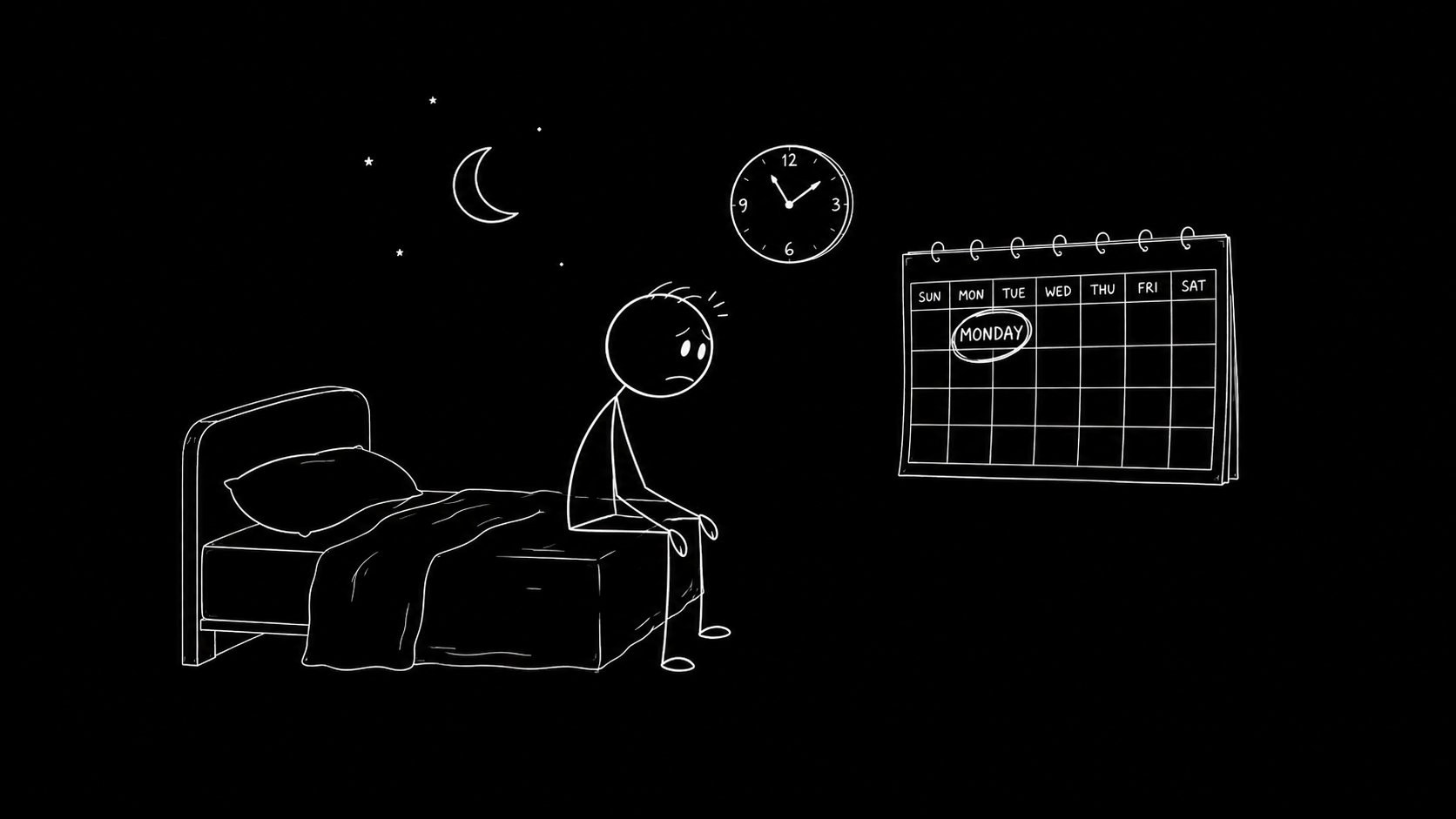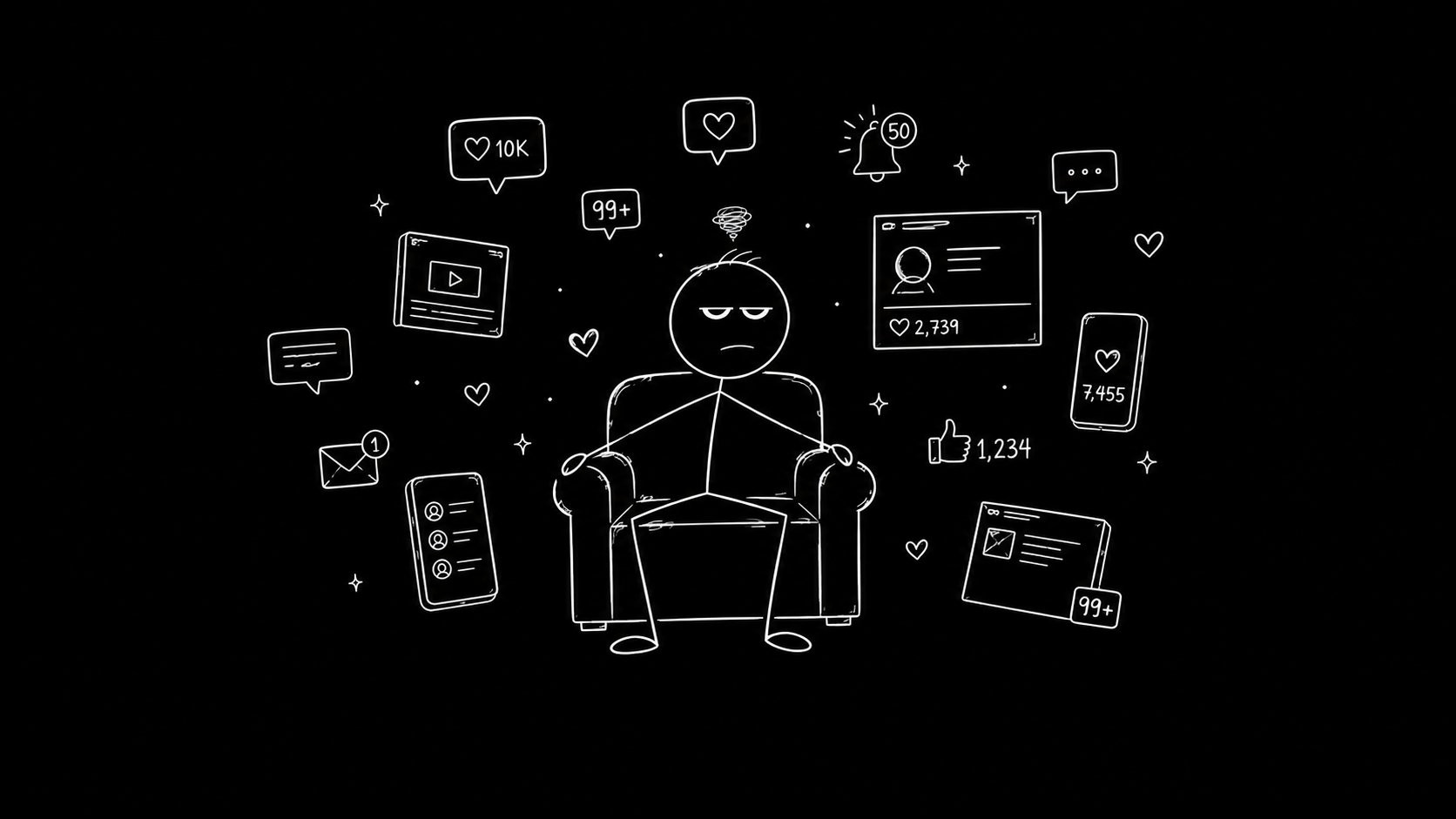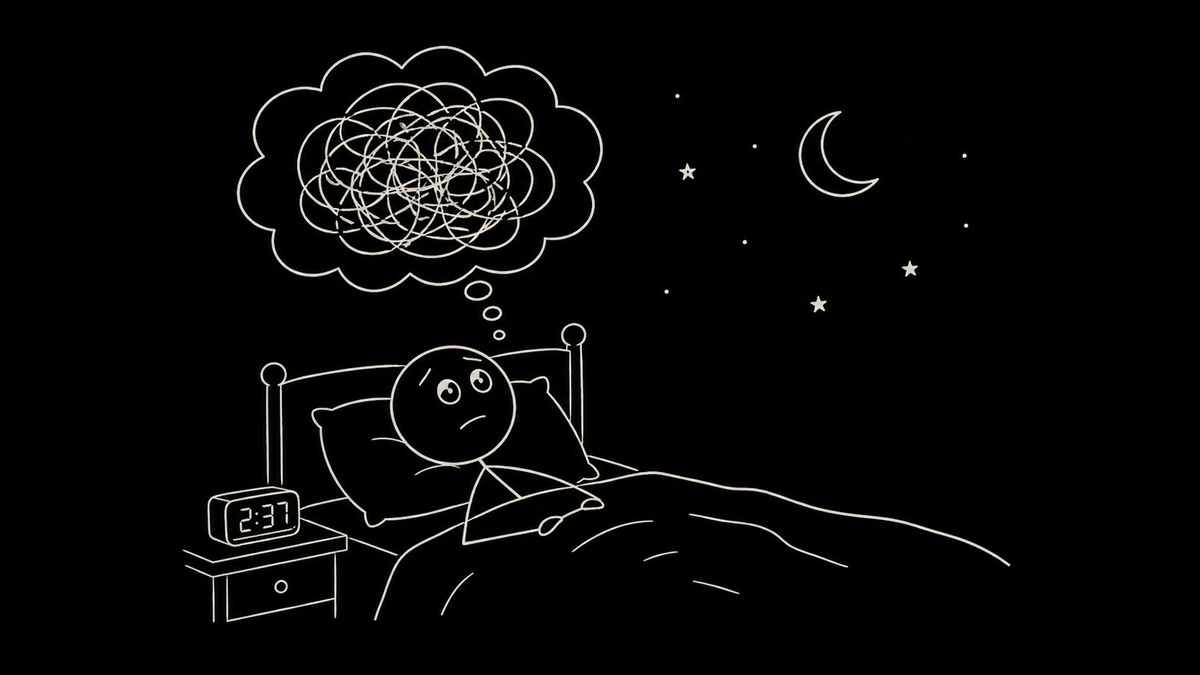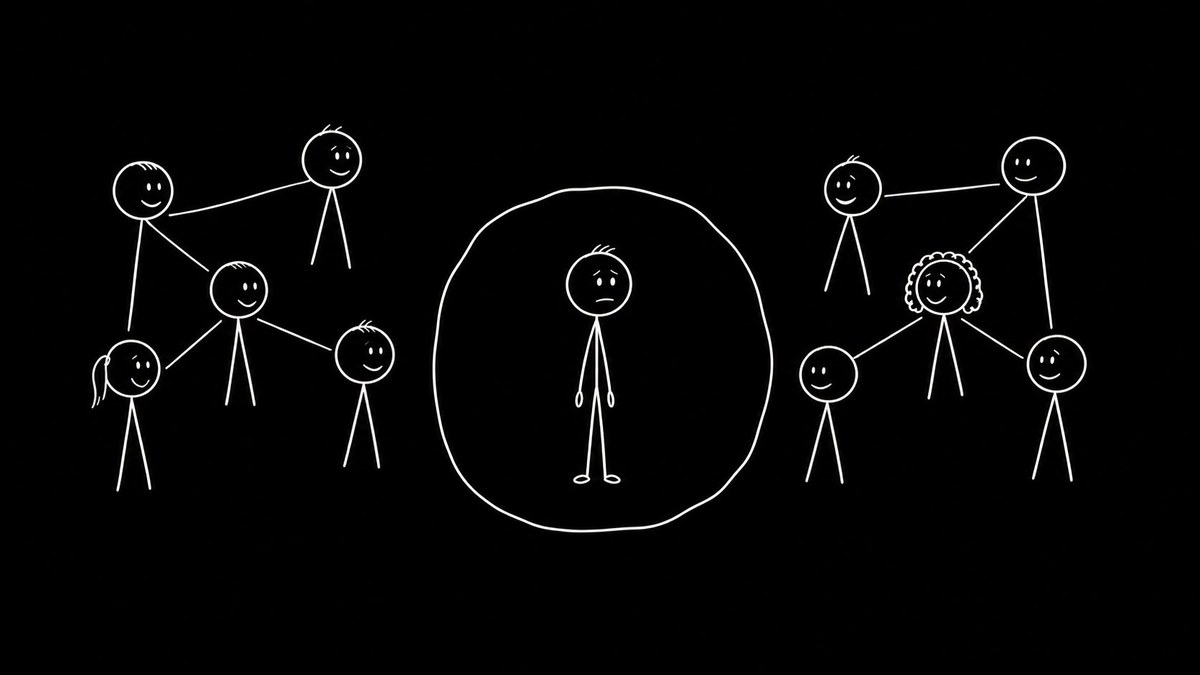
You're in a relationship. Or you live with family. Or you have a busy job with constant interaction. Or you went out three times this week and saw friends. By every external measure, you are not alone. And yet there's a specific kind of ache, deep and unfamiliar to most language, that you carry when you go to bed at night. You are lonely. And the loneliness has nothing to do with how many people are around you.
The Hidden Truth About Emotional Loneliness
There are two kinds of loneliness, and most people only have language for one of them. The first is social isolation, which is the absence of contact with people. It's the loneliness of the person who lives alone and hasn't seen anyone for a week. This loneliness is visible. You can point to it. You can solve it by adding people.
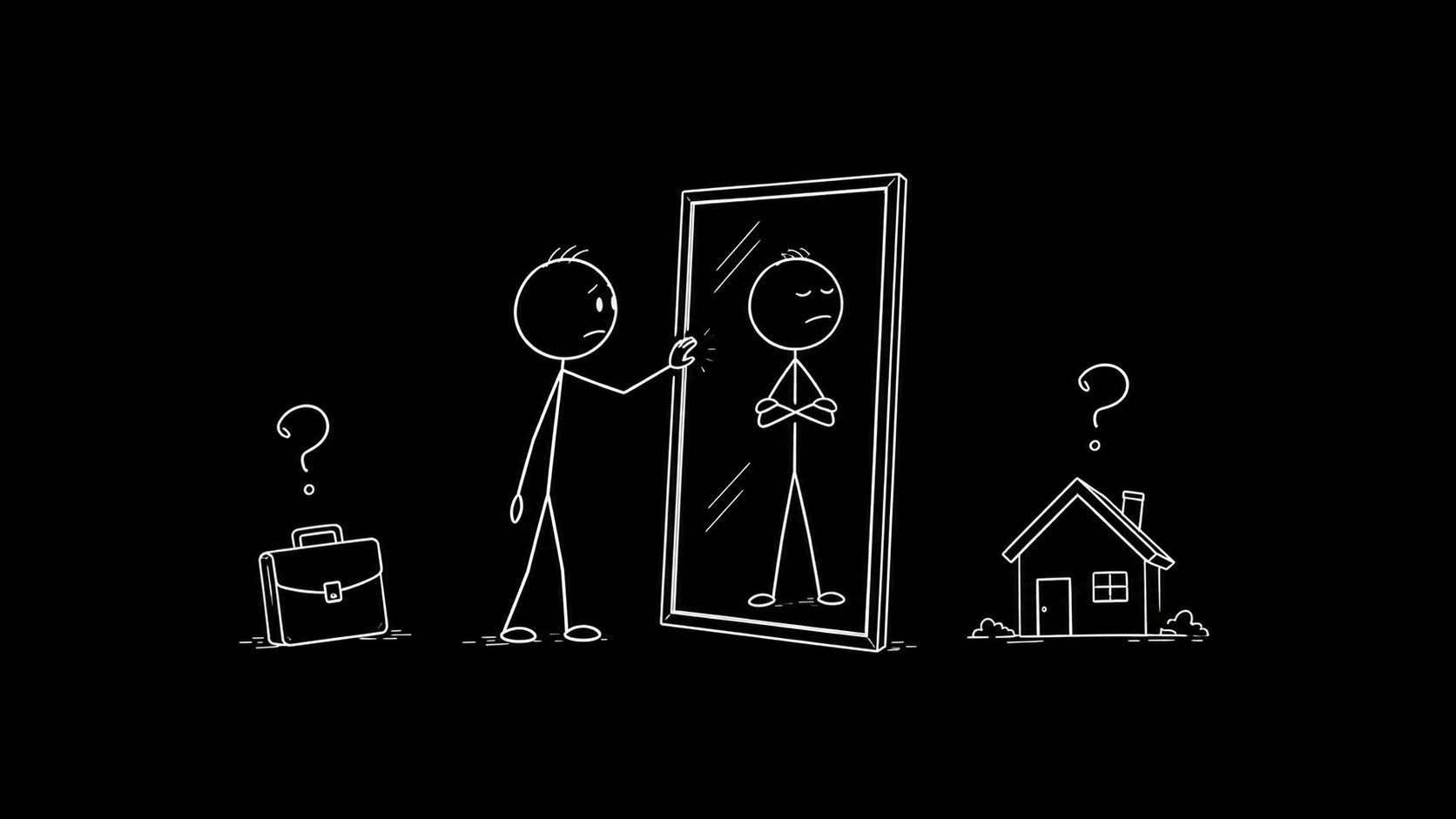
The second kind is emotional loneliness, and it's invisible. It's the loneliness of being around people who don't actually know you. The loneliness of having conversations that stay on the surface forever. The loneliness of sleeping next to someone you love who has stopped seeing you. The loneliness of being the funny friend, the strong friend, the helpful friend, never the friend who gets to fall apart. This loneliness cannot be solved by adding people, because it is not about how many people are present. It is about how seen you are by the people who are already there.
Emotional loneliness is, by some measures, more painful than social isolation, because there is no clear solution. The person who has no one knows what they need. The person who has many people but feels unknown by all of them is in a maze with no exit, and the maze is invisible to everyone else.
Why This Happens To You Specifically
There are several common patterns that produce emotional loneliness even in lives that look full from the outside:
You've been performing for a long time. If you grew up learning to be the good one, the easy one, the agreeable one, you got very good at showing the world a version of you that was easy to love. The cost is that the version of you that is harder, more complicated, more contradictory, never gets shown. The people in your life love the version of you they know. The version they don't know is alone.
Your relationships are reciprocal but not deep. You have friends and family who you spend time with. You share the events of your life. You're nice to each other. But you don't talk about what's actually inside you, and they don't talk about what's actually inside them. The relationships are not bad. They are simply not the kind that produce being known.
You've put it all on your partner. Modern culture has placed an enormous burden on romantic partnership. Your partner is expected to be your best friend, intellectual companion, emotional regulator, sexual partner, and primary source of belonging. Even excellent partnerships cannot meet all of these needs. When your partner doesn't, you feel lonely inside the relationship and don't know whether it's the relationship or the unrealistic expectations.
Your closest people are far away. The friends who actually know you live in other cities, on other continents, in other phases of life. You text occasionally. You see them a few times a year. The relationships are real but they don't provide presence, and presence is what your nervous system needs.
You're a caretaker who has stopped being received. If you're the one everyone comes to, the one who listens, the one who handles, you've trained the people in your life not to ask how you really are. They get to be held by you. You don't get held back.
The Signs You Should Know
Emotional loneliness has a specific signature, distinct from social isolation:
You come home from gatherings feeling empty instead of full. You can't remember the last time someone asked you a question you wanted to answer. The conversations in your life feel transactional. You feel a specific ache, especially in the evening, that doesn't go away when you're around people. You fantasize about being known by someone, anyone, the way you used to imagine being loved. You answer "good" when asked how you are and you mean "I am drowning quietly and would not know how to tell you." You feel a specific kind of sadness in your chest when you read about someone else being deeply seen, because it points to what you don't have.
If most of these are familiar, your loneliness isn't about being alone. It's about being unseen.
What To Do About It
Emotional loneliness doesn't get solved by more people. It gets solved by changing the depth of what happens with the people who are already there, and by stopping the performance that's keeping you hidden.
Stop performing okay. Next time someone you trust asks how you are, tell them the truth. Not the dramatic, oversharing truth. The real, calm, accurate truth. "I'm actually struggling lately." "I've been more anxious than I've let on." Most people will surprise you with their willingness to receive this. Some won't. Pay attention to who does. Those are your people.
Ask the real question. The next time you're in a conversation with someone you care about, skip past the surface. Ask: "How are you actually doing? Not the surface version." Most people are starving to be asked. You'll get more depth in one real question than in a year of polite check-ins.
Be seen in your partnership. If you're in a relationship and feel lonely inside it, the answer is rarely to leave. It's to bring the version of you that's been hiding into the relationship. This is risky. Your partner may not have known they weren't seeing you. They may need help learning. Or, sometimes, they're not capable of it, and you'll find out. Either outcome moves you forward.
Build presence with the friends you have. If your closest people live far away, manufacture presence. Long phone calls, not just texts. Voice memos. Video calls without an agenda. Visits scheduled in advance. Distance does not have to mean disconnection, but it does require effort that proximity used to provide for free.
Stop being the caretaker. If you've been the one who listens, practice being the one who shares. Bring a hard thing to your most trusted friend. Let them receive you. They may not be practiced at this. You may not be practiced at being received. Both of you will get better with repetition.
Find one person who knows the full you. The goal is not to be deeply known by everyone. It's to be deeply known by one or two people. Identify who that person could be. Invest in that relationship. One person who truly sees you is enough to interrupt emotional loneliness.
The Deeper Pattern
Emotional loneliness is often a consequence of a life lived too carefully. You learned, somewhere along the way, that the full version of you was too much, too needy, too difficult, too complicated. You softened. You simplified. You made yourself easy to love. And then you discovered that the version of you that's easy to love is too small for you to live inside.
The work of ending emotional loneliness is the work of bringing yourself back into the room. Not all at once. Not dramatically. Just gradually, deliberately, allowing the people in your life to meet the version of you that has been hiding. Some will not be able to. Most will rise to it, with relief.
When To Seek Help
If emotional loneliness is severe, prolonged, or accompanied by depression or hopelessness, please consider working with a therapist. Therapists provide a regular space of being seen, which can interrupt emotional loneliness while you work on building it elsewhere. They can also help with the patterns (often from childhood) that make being known feel dangerous.
The Audiobook That Walks You Through This
The full framework for understanding adult loneliness, including the emotional kind that hides inside full lives, is in the audiobook The Loneliness Nobody Talks About. It covers the patterns, the science, and the practical work of being seen again. Listen free on Spotify.