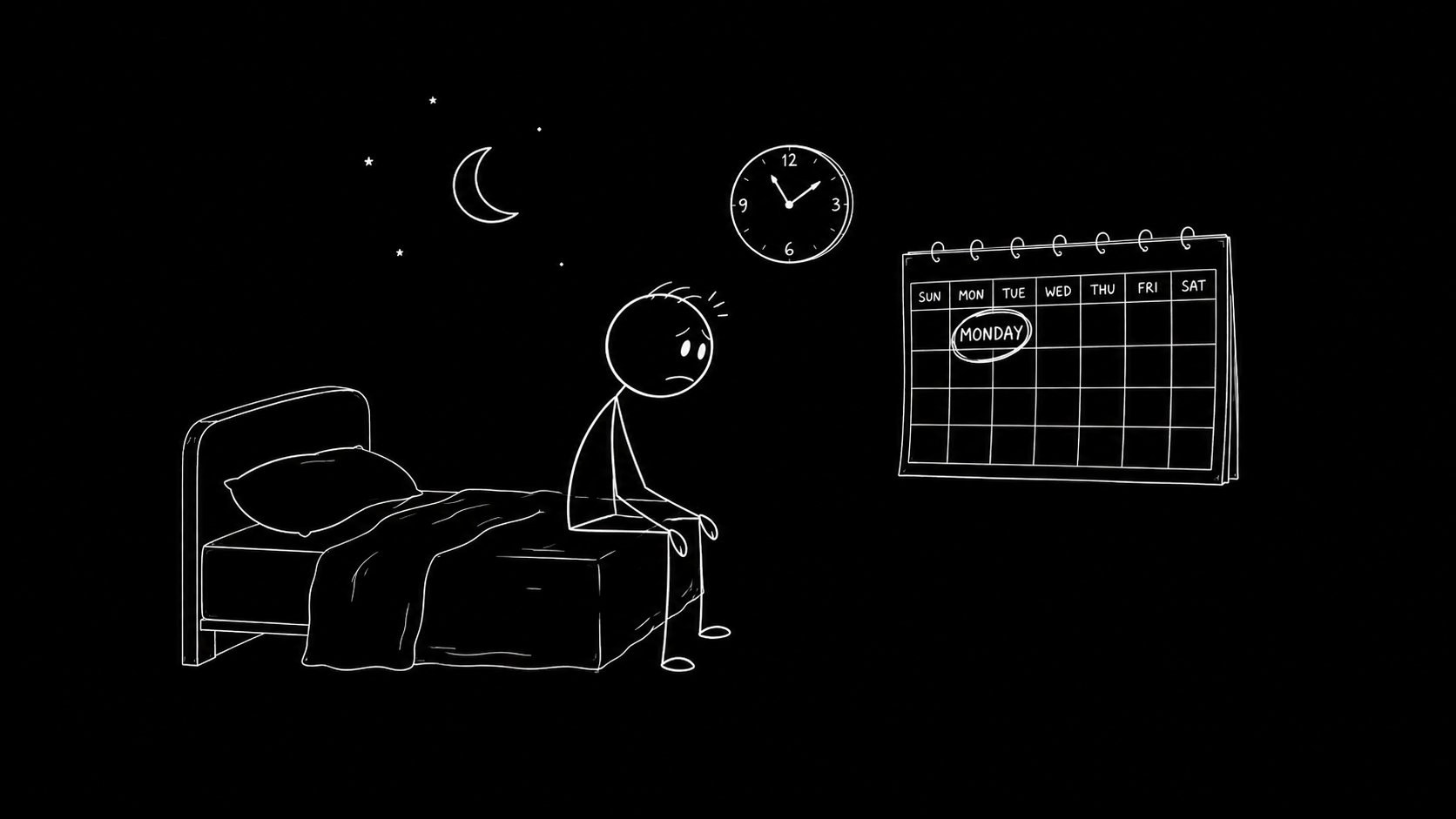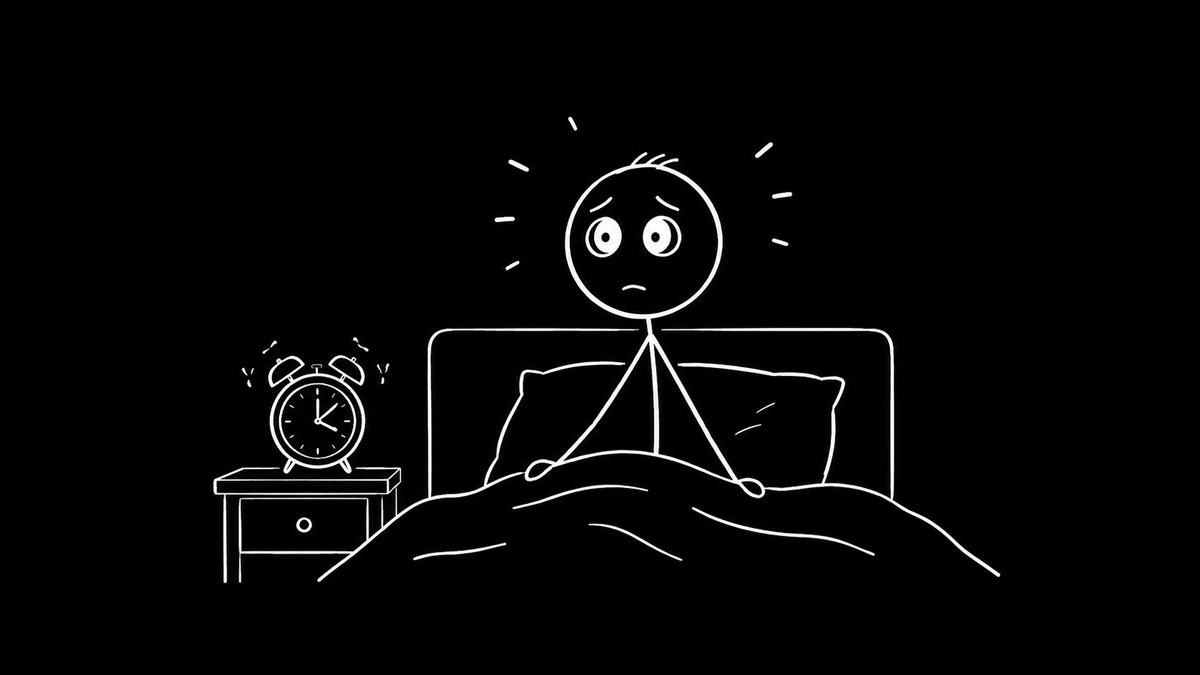
You wake up before your alarm. Your heart is already racing. Nothing has happened. You haven't even moved. And yet there's a tightness in your chest, a low hum of dread behind your eyes, and your brain is already running through every possible thing that could go wrong today. If this is your default state when you open your eyes, you're not broken. You're experiencing one of the most common and least understood patterns in modern anxiety.
The Hidden Truth About Morning Anxiety
Morning anxiety is not a sign that your day is going to be bad. It's not a premonition. It's not even, technically, about anything that's happening in your life right now. It's a biological event that happens to your body whether you want it to or not, and once you understand what's actually going on, you can start to interrupt it.
The hormone responsible is called cortisol. Cortisol is what your body uses to wake you up. Between 6 and 8 in the morning, your adrenal glands release a surge of cortisol called the Cortisol Awakening Response. In a healthy nervous system, this surge gives you energy and motivation. In a dysregulated nervous system, it produces what feels like anxiety. Same chemical. Different experience.
Why This Happens to You Specifically
If your cortisol is too high, or if your nervous system has been chronically activated for months or years, the morning cortisol surge becomes overwhelming instead of energizing. Your body reads its own wake-up signal as a threat. Your amygdala fires. Your heart rate climbs. And before you've even sat up in bed, you're in a full sympathetic response with nothing to fight or flee from.
There are five factors that make this worse for some people than others:
Chronic stress. If your nervous system has been on high alert for months, your baseline cortisol is elevated. The morning surge then pushes you into anxiety instead of alertness.
Poor sleep quality. REM sleep is when your brain processes emotion. If you're not getting enough REM, you wake up with emotional residue that hasn't been metabolized.
Blood sugar crashes. If you ate a high-sugar dinner or drank alcohol, your blood sugar can crash in the early hours of the morning, triggering an adrenaline release that feels like anxiety.
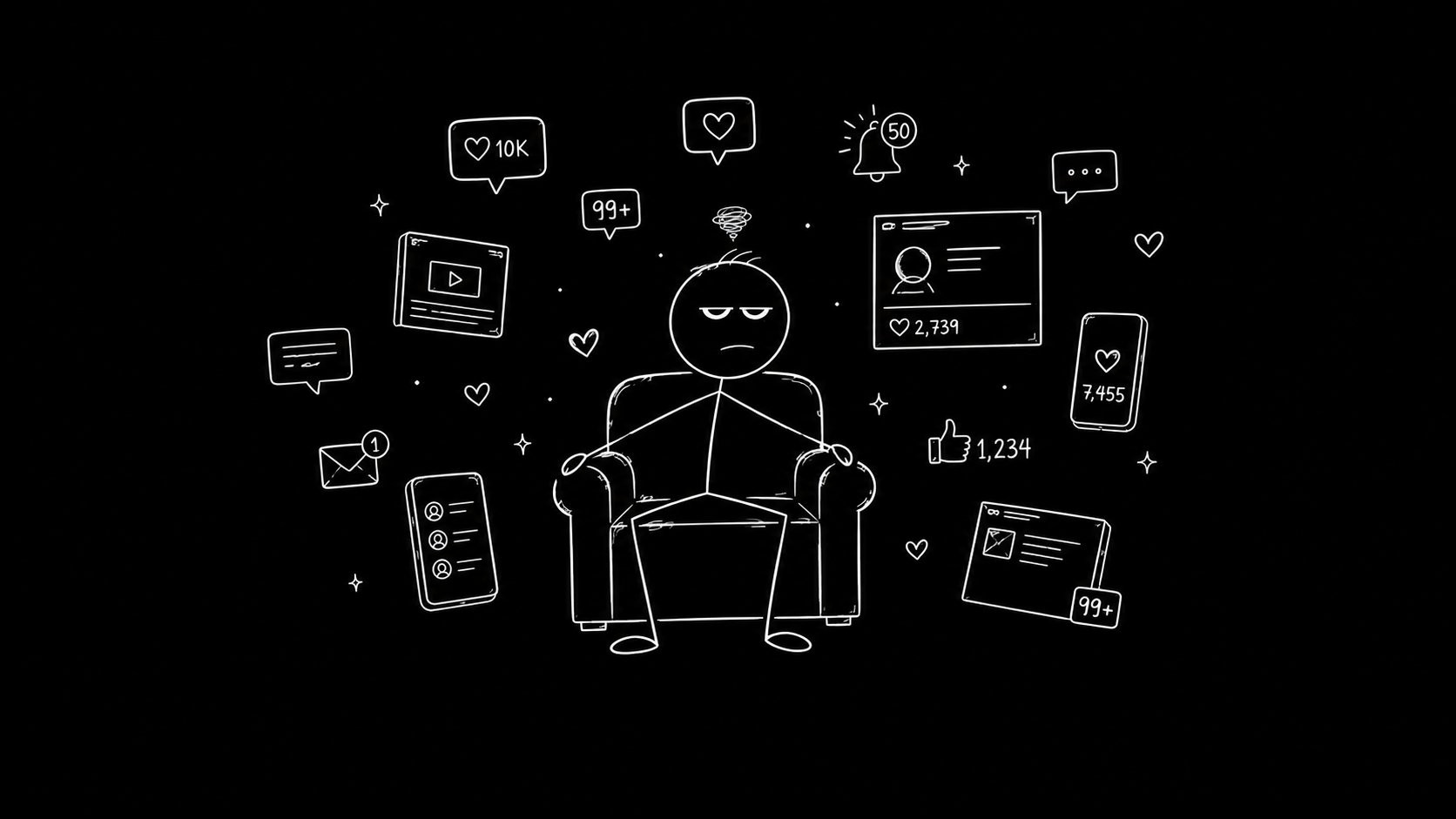
Phone-checking in bed. Looking at your phone within minutes of waking floods your brain with cortisol-triggering inputs: emails, news, social comparison. You're stacking stressors on top of an already activated nervous system.
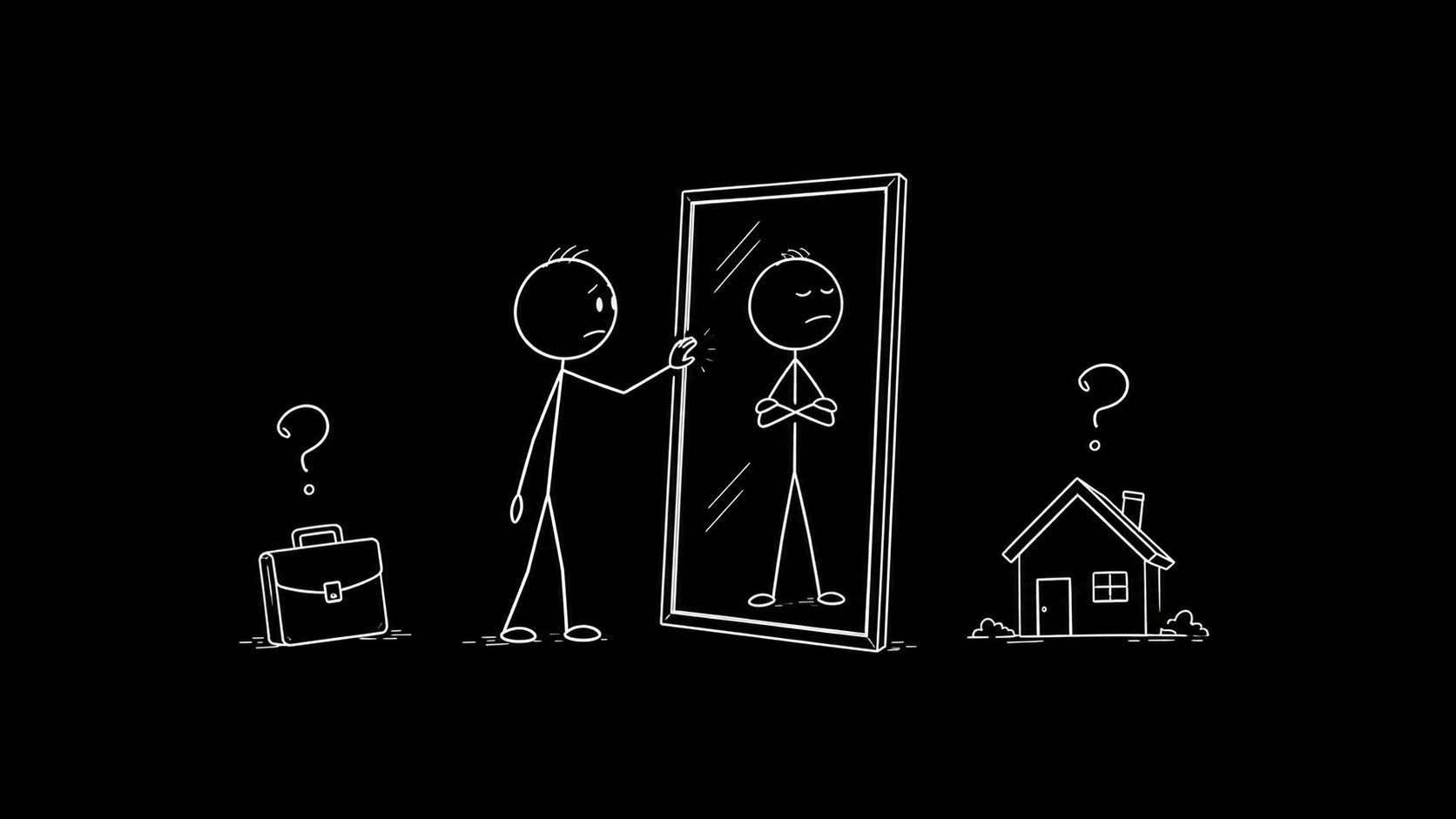
Anticipatory dread. If your life contains chronic stressors (a job you hate, a difficult relationship, unresolved financial issues), your brain starts each day by previewing them. The anticipation is the anxiety.
The Signs You Should Know
Morning anxiety has a specific physical signature that distinguishes it from general anxiety:
You wake up with your jaw clenched or your fists balled. Your chest feels tight. Your breath is shallow and fast. You feel a sense of dread that has no specific object. You can't go back to sleep even if you're exhausted. You start mentally rehearsing the day before your feet touch the floor. You feel a wave of relief if anything happens that lets you cancel your plans.
If you have several of these patterns most mornings, you're not just having a bad week. Your nervous system has learned to start the day in fight-or-flight mode, and it will keep doing this until you actively teach it something different.
What To Do About It
The work of breaking morning anxiety is mostly physical, not mental. You cannot think your way out of a cortisol surge. You have to work with your body.
Do not check your phone for the first 30 minutes. This is the single most powerful change. Every notification, headline, and social media post is an extra cortisol trigger to a nervous system that's already on high alert. Put your phone in another room or use a real alarm clock.
Get sunlight on your eyes within 10 minutes of waking. Natural morning light helps regulate the cortisol curve. Step outside, even just to your balcony, even when it's cloudy. The light through your eyes signals your circadian system to peak cortisol now and drop it cleanly, instead of dragging the activation across the entire morning.
Drink water before coffee. Dehydration amplifies cortisol. A full glass of water before your first coffee can take the edge off the morning surge. Then your coffee adds energy instead of stacking onto an existing activation.
Do extended exhales for two minutes. Sit up in bed. Inhale through your nose for 4 seconds. Exhale through your mouth for 8 seconds. The long exhale activates your parasympathetic nervous system and brings cortisol down. Do this for two minutes before you stand up.
Eat protein within an hour. If you skip breakfast or drink coffee on an empty stomach, your blood sugar drops and your body releases more cortisol to compensate. A protein-based breakfast stabilizes you for the rest of the day.
The Deeper Pattern
Morning anxiety is rarely about the morning. It's a symptom of a nervous system that has been chronically activated for months or years and has lost its rhythm. The practices above help, but they don't solve the underlying problem. The underlying problem is that your body has been running a constant low-grade fight-or-flight response, and the morning cortisol surge is just where it becomes most visible.
If you've been carrying chronic stress, unprocessed worry, or sustained overload, the morning is where your body finally gets your attention. Listening to it is not a luxury. It's information.
When To Seek Help
If morning anxiety persists for more than a few weeks despite consistent practice, if you're having panic attacks, if your sleep is severely disrupted, or if anxiety is interfering with your ability to function, please consult a doctor or mental health professional. This article is educational. It is not a substitute for medical care, and chronic anxiety responds well to professional support.
The Audiobook That Walks You Through This
If you recognize yourself in this article, the full framework for understanding and unwinding chronic anxiety is in the audiobook Your Anxiety Is Lying To You. It covers the science of the anxious brain, a 60-second technique to interrupt panic attacks, and a slow set of practices to rebuild a regulated nervous system. Listen free on Spotify.