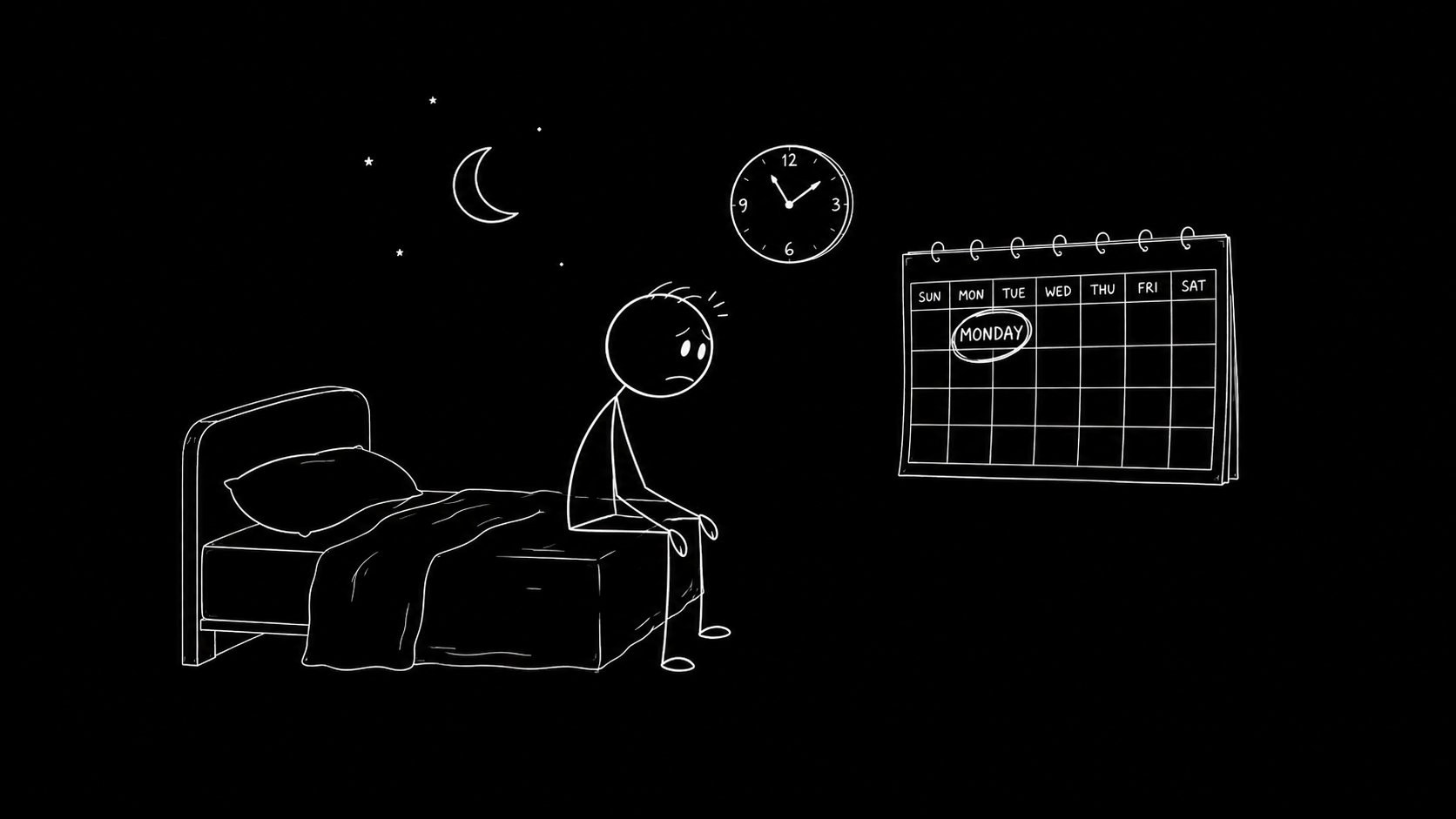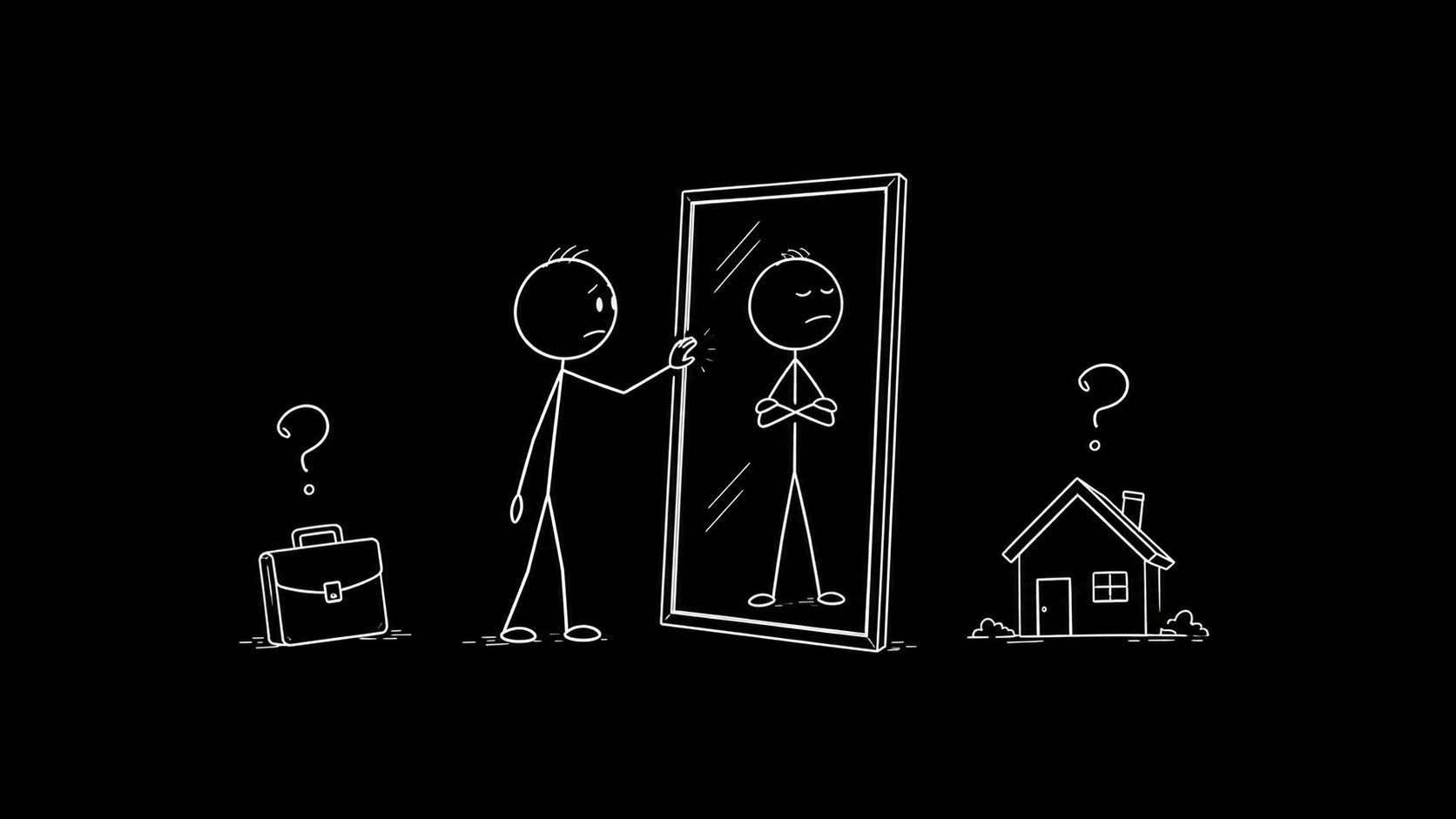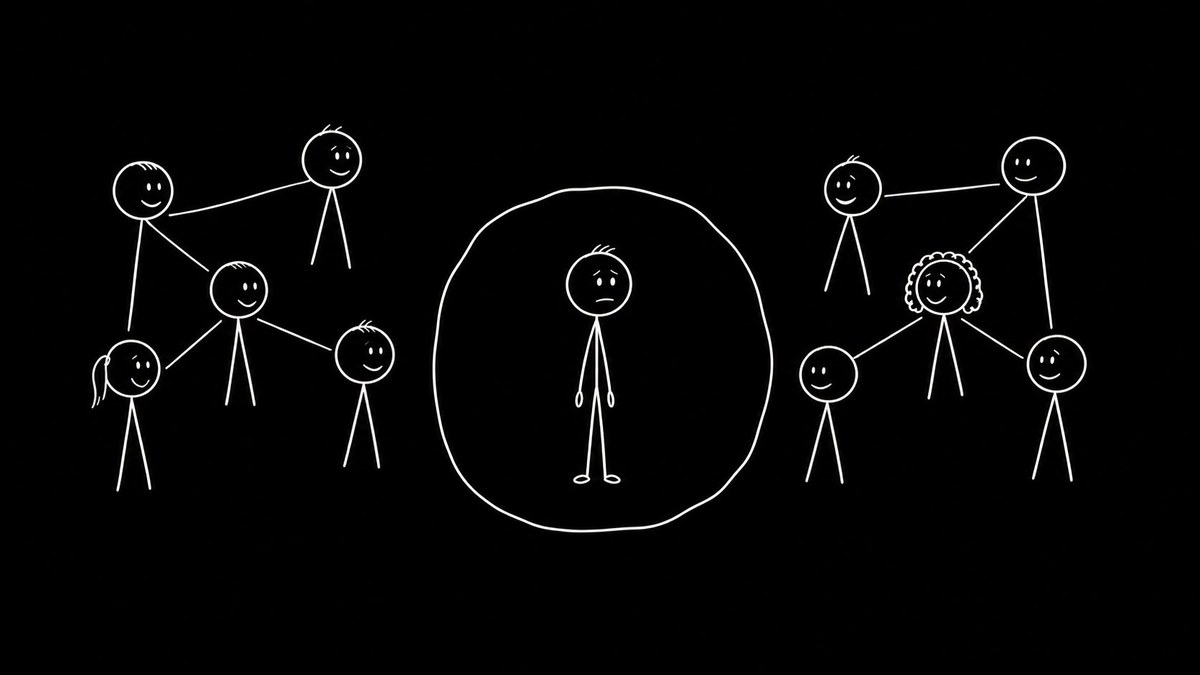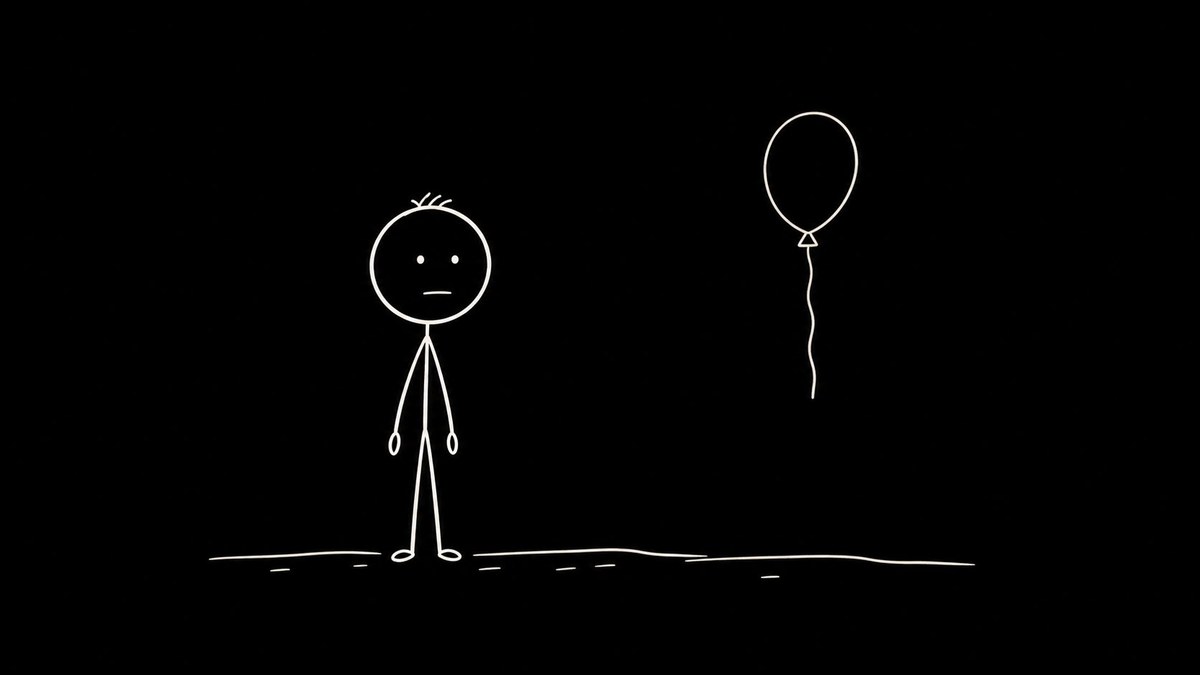
Your life looks fine. By every external measure, you're doing well. You have a job, a place to live, people who love you, a body that works. You laugh when you're supposed to laugh. You say I love you when you're supposed to say it. And inside, where your feelings used to live, there's a flat gray nothing. You can't remember the last time something genuinely moved you. You can't tell anyone, because how do you complain about being numb when nothing is wrong? But something is wrong. It just isn't what you've been trained to look for.
The Hidden Truth About Feeling Nothing
The medical term for what you're experiencing is anhedonia, which means the loss of the capacity to feel pleasure. It used to be discussed primarily as a symptom of clinical depression. In the last decade, researchers have started recognizing it as a standalone phenomenon, affecting millions of people who don't meet criteria for any specific disorder. They're not sick. They're not depressed. They're just empty. And the volume of people in this state is rising.
Anhedonia is not a failure of will. It's not laziness. It's not ingratitude. It's a nervous-system state. Specifically, it's what happens when your dopamine system, the part of your brain that registers reward and motivation, has stopped responding to ordinary stimuli. The lights are still wired. They're just not turning on.
Why This Happens To You Specifically
There are three main pathways to anhedonia, and most people who experience it have arrived through one of them:
Path 1: Dopamine burnout. Your brain's reward system was designed for a world where rewards were rare, hard-earned, and immediately useful. Food. Mating. Survival. Connection. In that world, when you got a reward, your dopamine system fired strongly and you remembered it.
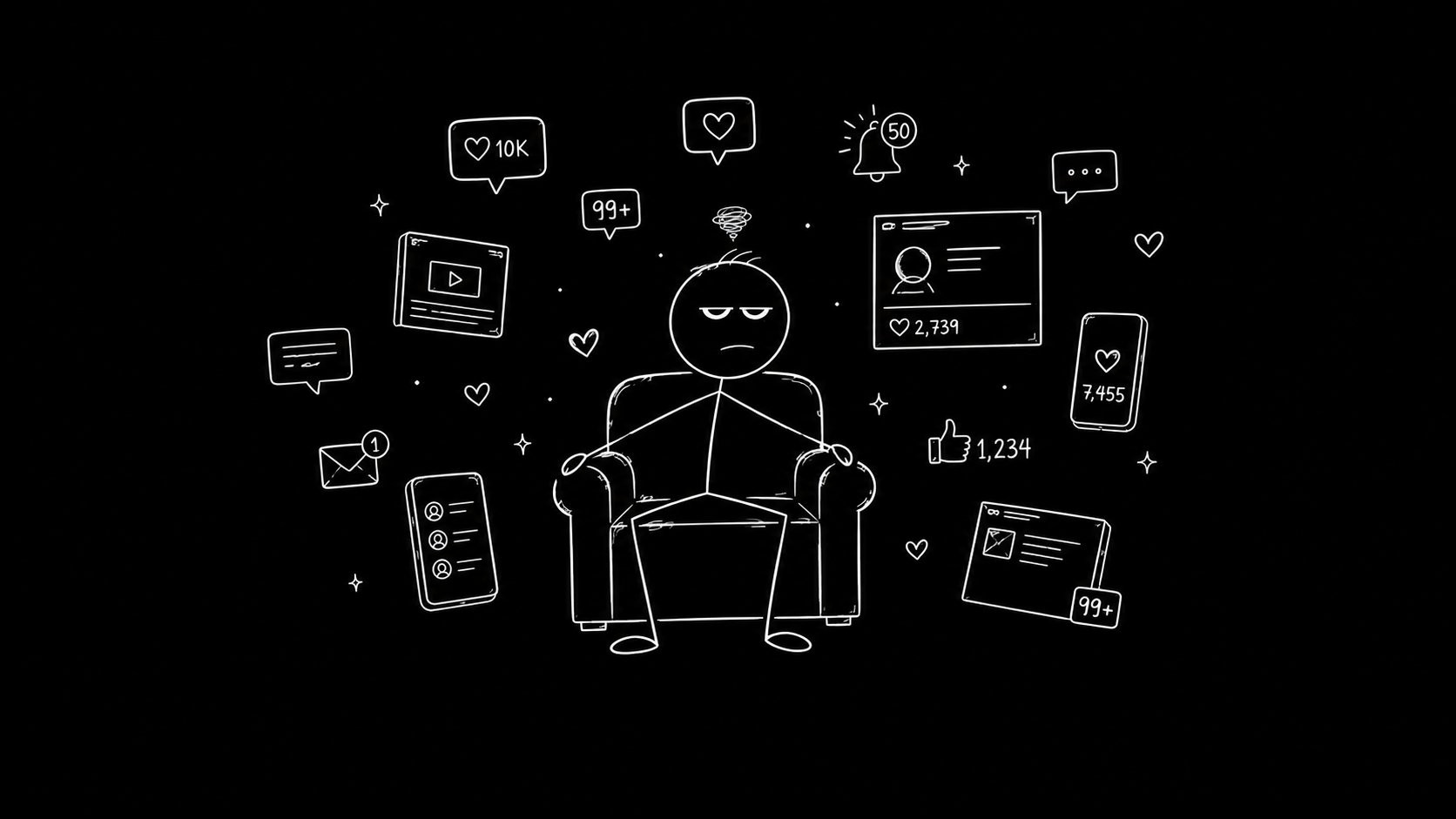
You live in a world that has hijacked this system. Every notification, every scroll, every refresh, every small piece of online content offers a tiny dopamine hit. Free, fast, and effortless. Your brain, faced with this constant low-grade stimulation, downregulates. The dopamine receptors become less sensitive. Eventually, ordinary pleasures (a walk, a real conversation, a good meal, sex with someone you love) don't register strongly enough to feel anything. You need more stimulation to feel less.
Path 2: Emotional shutdown after sustained stress. If you've been operating in chronic stress, chronic overstimulation, or chronic suppression of your emotional life for years, your nervous system can do something specific: it shuts down feeling capacity entirely as a protective response. This is dorsal vagal shutdown, and it doesn't discriminate. It shuts down the negative feelings you were trying not to have, and it shuts down the positive feelings along with them. You don't feel pain. You also don't feel joy. They were on the same circuit.
Path 3: Awakening without a destination. Some people stopped feeling because they started seeing. They went through what's sometimes called an awakening, often in their late twenties or early thirties: a period of clarity where they understood that most of what the culture was selling them was a scam. Status. Consumerism. The grind. The performance of a perfect life. They saw it, and they couldn't unsee it. But knowing the truth didn't replace the dopamine the old life was giving them. They got the clarity. They didn't get the joy. They're too awake to enjoy the matrix, and not yet built for what comes after.
If you can't remember the last time you genuinely felt moved by something, and you're between 25 and 40, and you've been quietly questioning everything since around 2020, this might be you.
The Signs You Should Know
Anhedonia has a specific signature:
Things that used to excite you don't anymore. Food tastes okay but rarely delicious. Music doesn't hit you the way it used to. You can't remember the last time you laughed so hard you couldn't breathe. You watch shows without really watching them. You scroll without really seeing. You feel a sense of going through the motions even when nothing is wrong. You're not sad exactly. You're just absent. People around you seem to be having more vivid experiences than you are, and you can't figure out what they're doing differently.
You can be high-functioning and have this. In fact, most people with anhedonia are high-functioning. The numbness lets them push through what would otherwise be unbearable.
What To Do About It
You cannot force yourself to feel. Throwing yourself at intense experiences (extreme sports, drugs, intense relationships) won't open you back up. It will overwhelm a system that shut down because it was already overwhelmed. Coming back to life has to be gradual, deliberate, and counter to most modern advice.
Reduce stimulation drastically. Your dopamine system needs time without input to reset its sensitivity. Try one week of no social media, no streaming, no scrolling. Most people who do this report flatness for the first few days and then a sudden return of small pleasures (the taste of food, the feel of sunlight) in the second week. The technical term is dopamine fasting, and the underlying neuroscience is real.
Spend time bored. Boredom is what your nervous system needs to reset. The discomfort of unstimulated time is the discomfort of withdrawal from a hijacked reward system. Sit with it. Twenty minutes of doing nothing every day for a month rebuilds your tolerance for ordinary pleasure.
Move your body daily. Not for exercise. For interoception, the ability to feel what's happening inside your body. A long walk, swimming, dancing, anything that brings your attention to physical sensation. Feeling starts in the body before it shows up as emotion.
Eat alone with no distractions. Once a day, eat a meal without your phone, without a screen, without conversation. Just the food. Taste it. Most people discover that their food has been tasting like nothing because they haven't been eating, they've been ingesting while consuming content.
Find one thing that used to matter and do it again. A book you loved. An old hobby. A walk in a place that meant something. Don't expect to feel anything the first time. Or the third. The capacity returns slowly, in small increments.
Stop trying to be moved. The harder you chase feeling, the more it eludes you. Feeling comes back when you stop demanding it. Live well, in small honest ways, and trust that the lights will come back on when your nervous system decides it's safe.
The Deeper Pattern
Anhedonia is not a defect. It's protection. Your nervous system shut down for a reason, and it will not let you back in until it trusts that you can handle what's in there. The work is not to force your way back to feeling. The work is to make your life safe enough that your body decides, on its own, that it's okay to come back online.
For some people this takes weeks. For others, months. For people coming back from years of overload or trauma, it can take a year or more. None of this is failure. It's recalibration. The lights come back. They take their time.
When To Seek Help
If your numbness is accompanied by dark thoughts, persistent low mood, hopelessness, or thoughts of harming yourself, please consult a doctor or mental health professional immediately. Anhedonia can be a symptom of clinical depression, which is treatable and worth taking seriously.
The Audiobook That Walks You Through This
The full framework for understanding and unwinding emotional numbness is in the audiobook Nothing Feels Good Anymore. It covers exactly why the lights go out, the three paths to numbness, and the slow, careful map back to feeling. Listen free on Spotify.