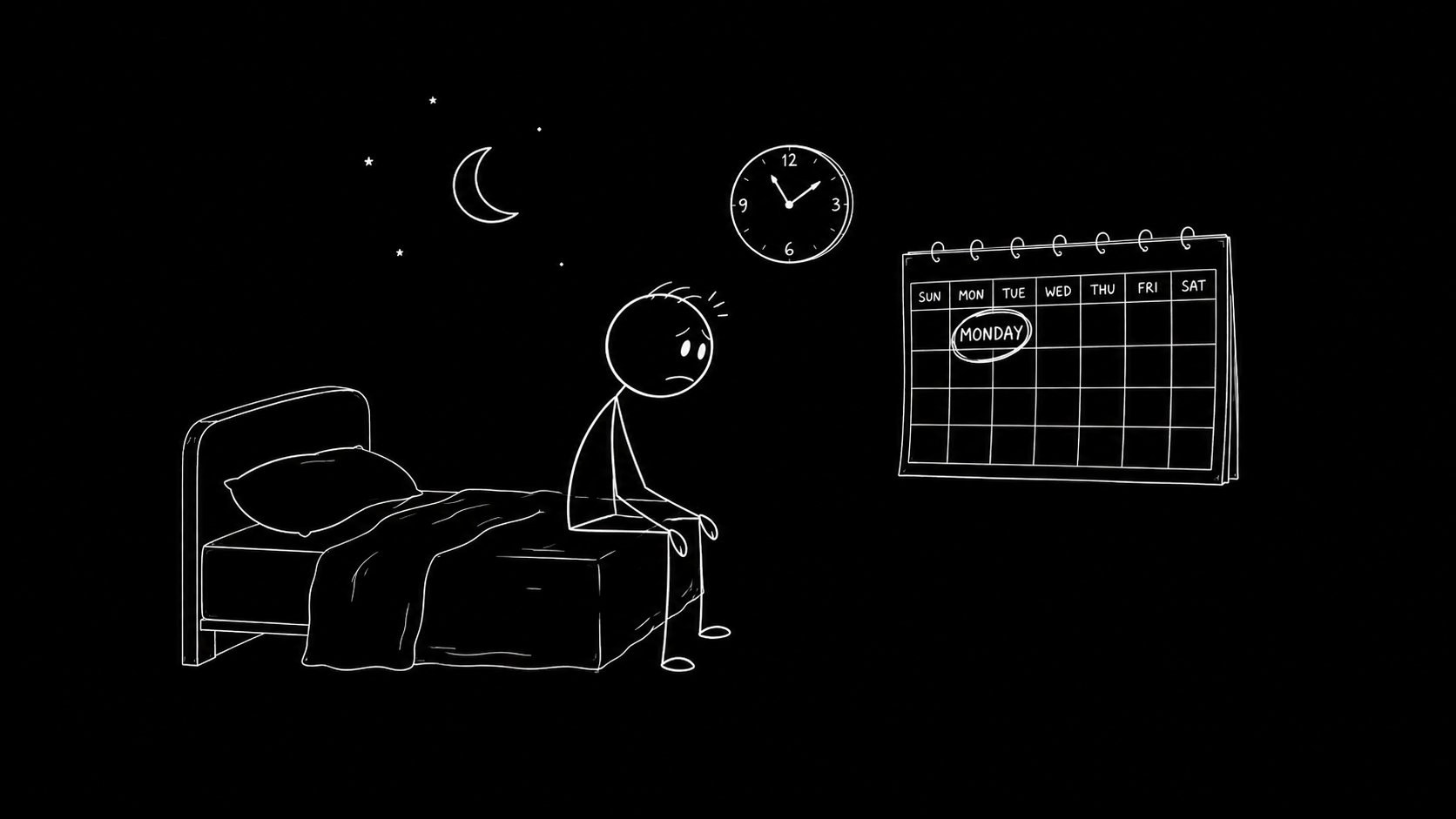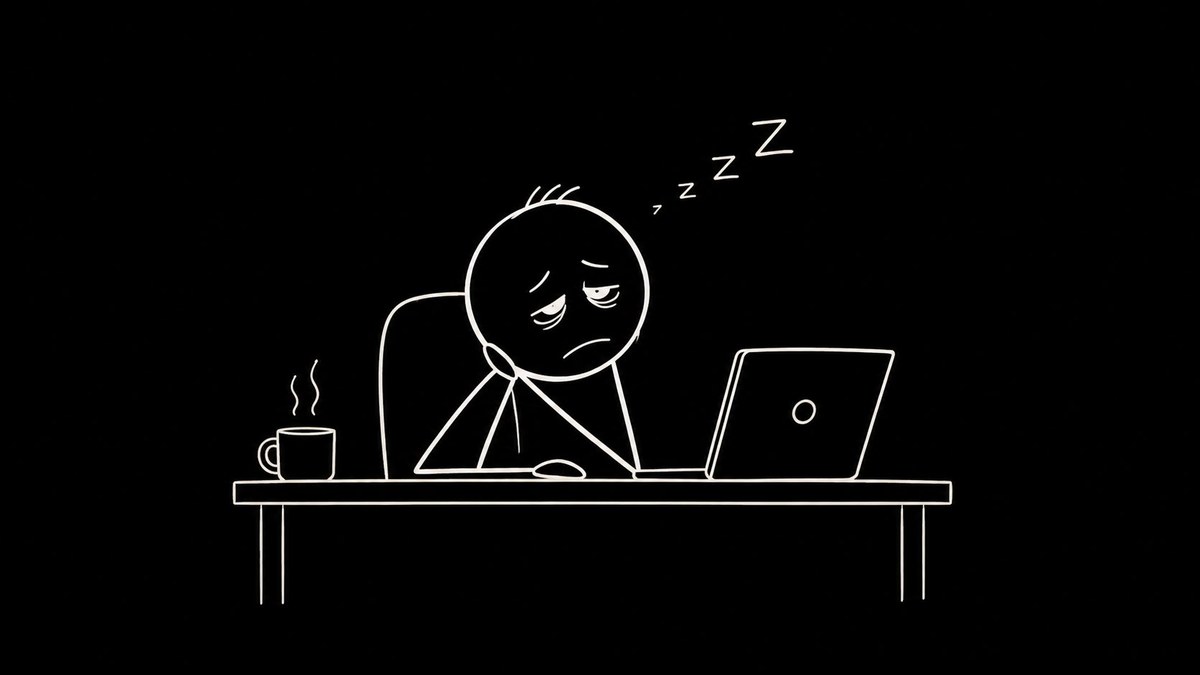
You went to bed at 10. You slept until 7. Nine hours. Tracked on your watch. Decent score. And yet here you are at 2 in the afternoon, falling asleep at your desk, dragging through your day like you didn't sleep at all. You've done the bloodwork. Iron is normal. Thyroid is normal. Vitamin D is fine. Your doctor shrugged. So what is wrong with you? Probably nothing your doctor was looking for.
The Hidden Truth About Sleep That Doesn't Work
Sleep is not just a quantity. It's a quality, and a context. You can sleep for 9 hours and not actually rest. You can lie unconscious for an entire night and still wake up exhausted because the kind of recovery your body needs is not the kind of recovery sleep is delivering.
This is one of the most underexplained truths about modern fatigue. Sleep was designed to do specific things: clear metabolic waste from your brain, consolidate memories, repair tissue, restore your immune function, and bring your nervous system back into balance. When sleep works, you wake up feeling restored. When something in the system is broken, sleep becomes time you spend horizontal, but not time your body actually uses.
If you're sleeping 7-9 hours and still chronically tired, the issue is almost never sleep duration. It's something else.
Why This Happens To You Specifically
There are six common reasons sleep stops working, and most people have at least two:
Your sleep architecture is disrupted. Sleep has stages: light sleep, deep sleep, and REM. Deep sleep is when physical restoration happens. REM is when emotional and cognitive processing happens. You need both. Alcohol crushes REM. Stress crushes deep sleep. Late screens delay both. If your sleep stages are imbalanced, you can sleep 9 hours and get the restorative effect of 4.
Your nervous system is in chronic sympathetic activation. If your body is stuck in low-grade fight-or-flight all day, you cannot drop into the deep parasympathetic state where real rest happens. You technically sleep, but your nervous system never powers down. You wake up having spent the night hovering at a low level of activation.
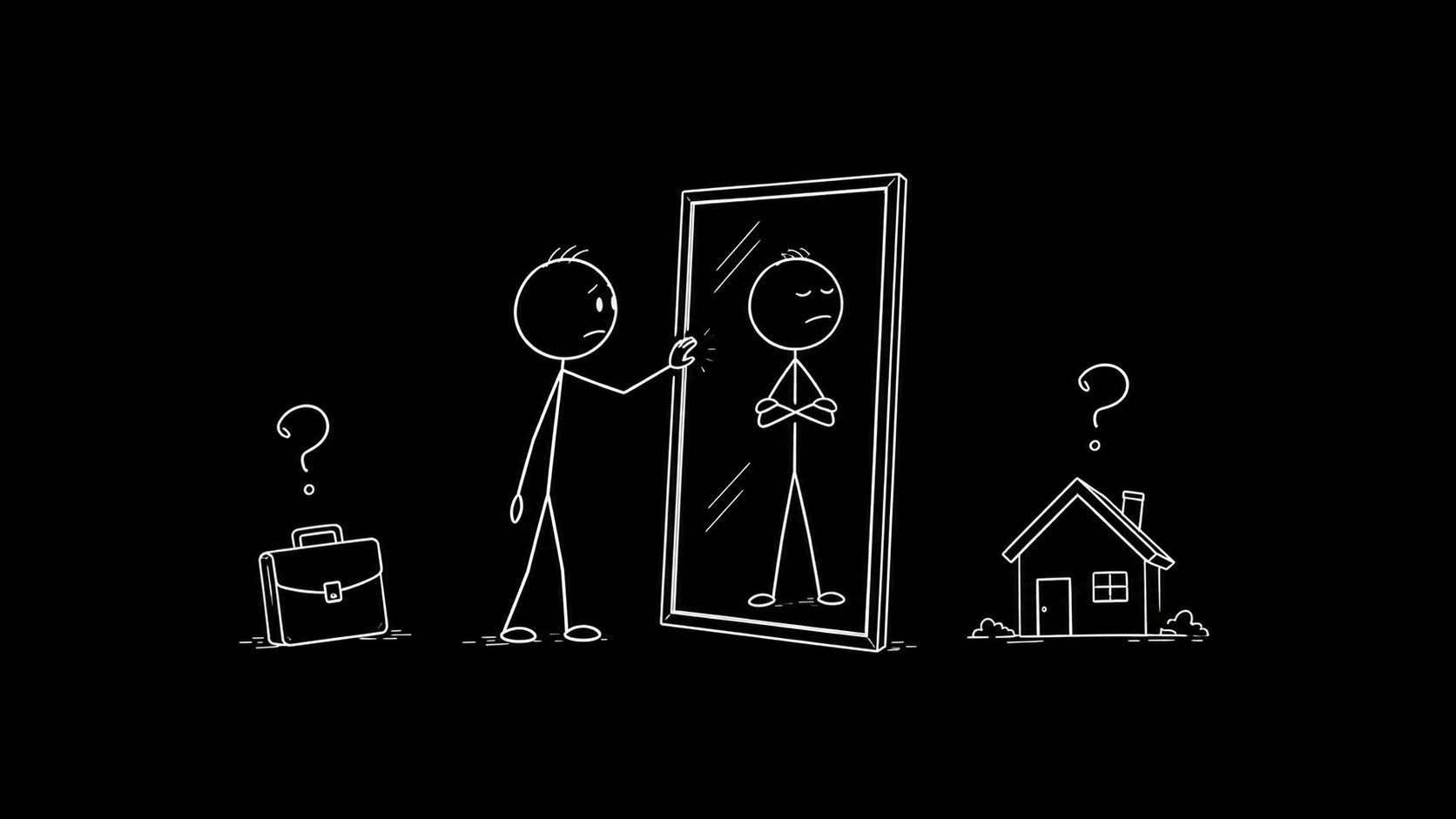
You have unprocessed emotional load. Suppressed emotions don't disappear. They sit in your body, requiring constant low-grade energy to keep contained. People who hide what they feel for a living (high-functioning professionals, caretakers, people-pleasers) often experience this as chronic exhaustion that no diet or supplement fixes.
Your cortisol curve is inverted. Healthy cortisol peaks in the morning and drops at night. Chronic stress inverts this: cortisol stays elevated at night (so you can't fall into deep sleep) and crashes in the morning (so you can't wake up). You feel wired at midnight, dead at 7am, and dragging by 3pm.
You're micro-stressed all day. A dozen small stressors a day (a tense email, a frustrating meeting, a difficult interaction) each release cortisol. None of them are big enough to notice. Together they keep your nervous system activated for 14 hours straight. By the time you sleep, your body needs more recovery than 8 hours can deliver.
You're operating in functional freeze. Some people experience burnout not as collapse but as a kind of low-grade dissociation. You're functional. You hit your deadlines. But you're operating at maybe 60 percent of your former bandwidth, and you don't remember when you weren't tired. This is a nervous system in dorsal vagal shutdown, not a sleep problem.
The Signs You Should Know
The fatigue that sleep can't fix has specific markers:
You wake up tired even after 8 or 9 hours. You hit a wall between 2 and 4pm every day. You need caffeine to function but it doesn't really work anymore. You feel exhausted but also wired (the worst combination). You used to enjoy things that no longer feel worth the energy. You collapse on weekends and still feel tired Monday morning. You've been to the doctor and everything came back normal. You're not depressed exactly, but you're not okay either.
If most of these apply, you're not looking at a sleep problem. You're looking at silent burnout.
What To Do About It
The work of recovering real energy is not about sleeping more. It's about restoring the systems that make sleep work.
Stop drinking alcohol on weeknights. Even one drink can suppress REM by 30 percent. If you've been having wine with dinner most nights and feeling chronically tired, this alone can change your baseline within 2-3 weeks.
Build a real wind-down hour. Your nervous system cannot drop from full activation to sleep mode instantly. You need a buffer. Sixty minutes before bed, no screens, dim lights, no work, no problem-solving. This isn't a luxury. It's a physiological requirement for the kind of sleep that restores.
Get cortisol back on track. Sunlight in your eyes within 10 minutes of waking. No coffee on an empty stomach. No caffeine after 1pm. Protein at breakfast. Carbohydrates at dinner (yes, at dinner). These small things rebuild a normal cortisol curve over 4-6 weeks.
Identify what you're emotionally holding. If there's something in your life that you're tolerating but not okay with, your body knows it. The exhaustion is the cost of holding the situation together. Sometimes the fix for chronic fatigue is not a supplement. It's a hard conversation, a structural change, or admitting something you've been pretending not to know.
Train parasympathetic activation. Long walks without your phone. Cold exposure (a 30-second cold shower at the end of your normal shower). Slow exhales for 5 minutes before bed. Time in nature. These actively train your parasympathetic nervous system to take over, which is the only way deep sleep happens.
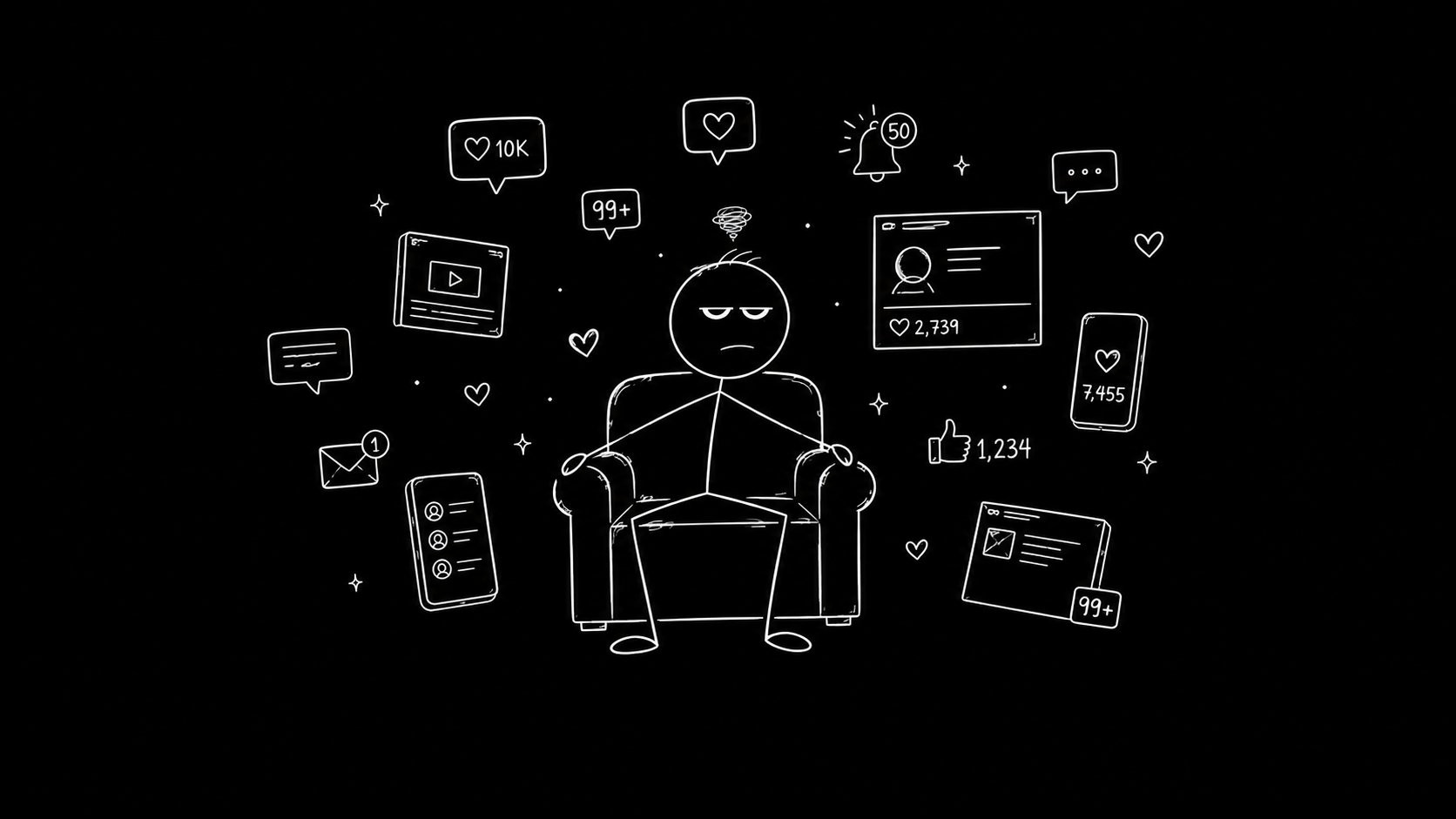
Reduce inputs. The single most underestimated cause of chronic fatigue is information overload. Your brain processes every piece of content you consume. If you're consuming for 12 hours a day, you're working for 12 hours a day, even if you're calling some of it leisure. Cut your input by half and see what happens to your energy.
The Deeper Pattern
Chronic fatigue in a healthy young or middle-aged adult is almost never about sleep. It's about a nervous system that's been running too hot for too long. The body asks for rest by becoming tired. If rest isn't actually given, the body asks louder by becoming exhausted. If exhaustion is ignored, the body eventually stops asking and starts breaking things: hormones, immune function, digestion, mood.
If you're chronically tired despite sleeping enough, your body is telling you that something has to change. Not your sleep. Your life.
When To Seek Help
If your fatigue is severe, accompanied by other symptoms (weight changes, persistent low mood, brain fog that's worsening, frequent infections), or is interfering with your basic functioning, please consult a doctor. Conditions like thyroid dysfunction, anemia, sleep apnea, autoimmune disorders, and clinical depression can all present as chronic fatigue and require medical care.
The Audiobook That Walks You Through This
The full framework for understanding and unwinding silent burnout is in the audiobook The Silent Burnout. It covers why you can sleep enough and still be exhausted, the four-phase recovery process, and how to rebuild a nervous system that's been running on fumes for years. Listen free on Spotify.