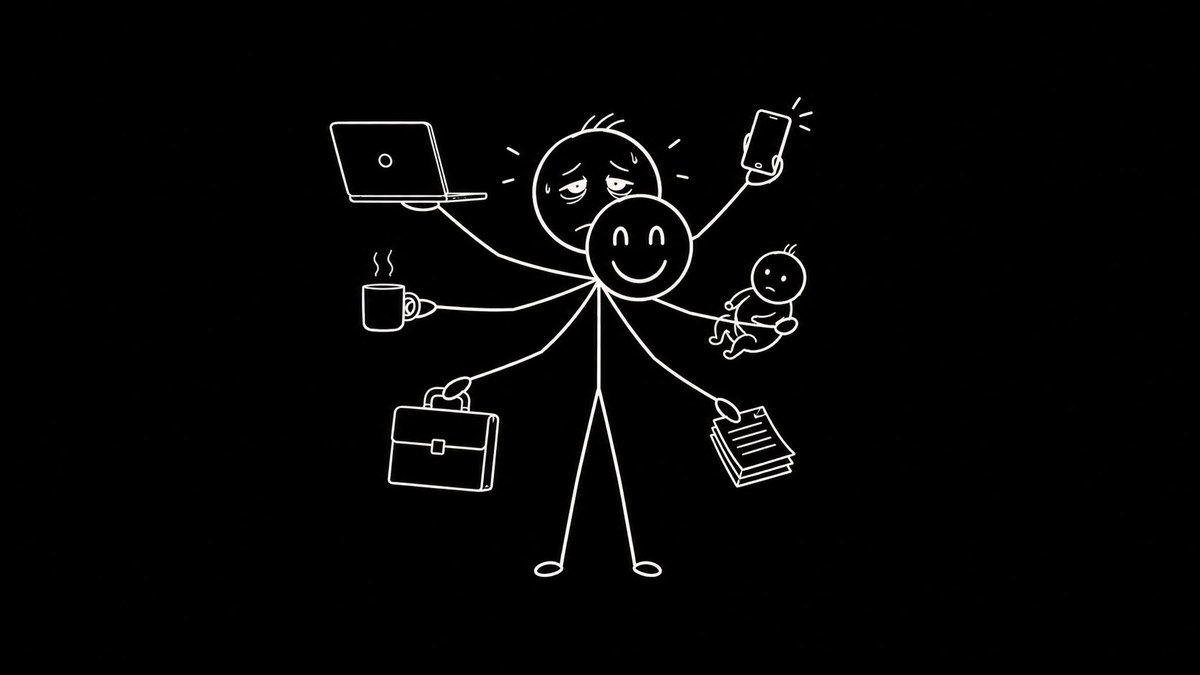
You're still hitting your deadlines. You're still answering messages. You're still showing up. By every external measure, you're fine. So when you say you're exhausted, people don't take it seriously, including you. But you know something is wrong. Something has been wrong for a while. Here are the signs of the burnout that hides inside high functioning, and why ignoring them costs you more than admitting them.
The Hidden Truth About High-Functioning Burnout
When most people imagine burnout, they imagine collapse. The doctor who quits in tears. The executive who can't get out of bed. The parent who locks themselves in the bathroom. Those are real, and they happen, but they are the late-stage version of something that was building for years.
The earlier version is far more common and far more invisible. It's burnout that hides inside high functioning. You're still operating, but at maybe 60 percent of your former bandwidth. You've recalibrated your life to require only 60 percent, so on paper everything looks fine. The version of you that used to come alive at the end of a workday is gone. The version of you that had hobbies, that read books for pleasure, that wanted to do anything other than collapse on the couch with a screen, is also gone. You don't remember when they left.
This is high-functioning burnout. And because it doesn't look like burnout, you can stay in it for years, slowly losing yourself, while everyone around you assumes you're doing great.
Why This Happens To You Specifically
High-functioning burnout doesn't happen to lazy people. It happens to capable, dependable, ambitious people who have been carrying too much for too long, often without anyone noticing because they handle it. The patterns that make you vulnerable are usually the same patterns that earned you praise growing up: being responsible, being useful, being the one who can handle it.
The reason it stays hidden is that your nervous system has learned to mask the cost. You override fatigue with caffeine. You override emotional exhaustion with productivity. You override needing rest with the belief that rest is for people who aren't as strong as you are. Every override works, until the system can't override anymore.
The Nine Signs You Should Know
High-functioning burnout has specific markers that are easy to miss because they don't look dramatic:
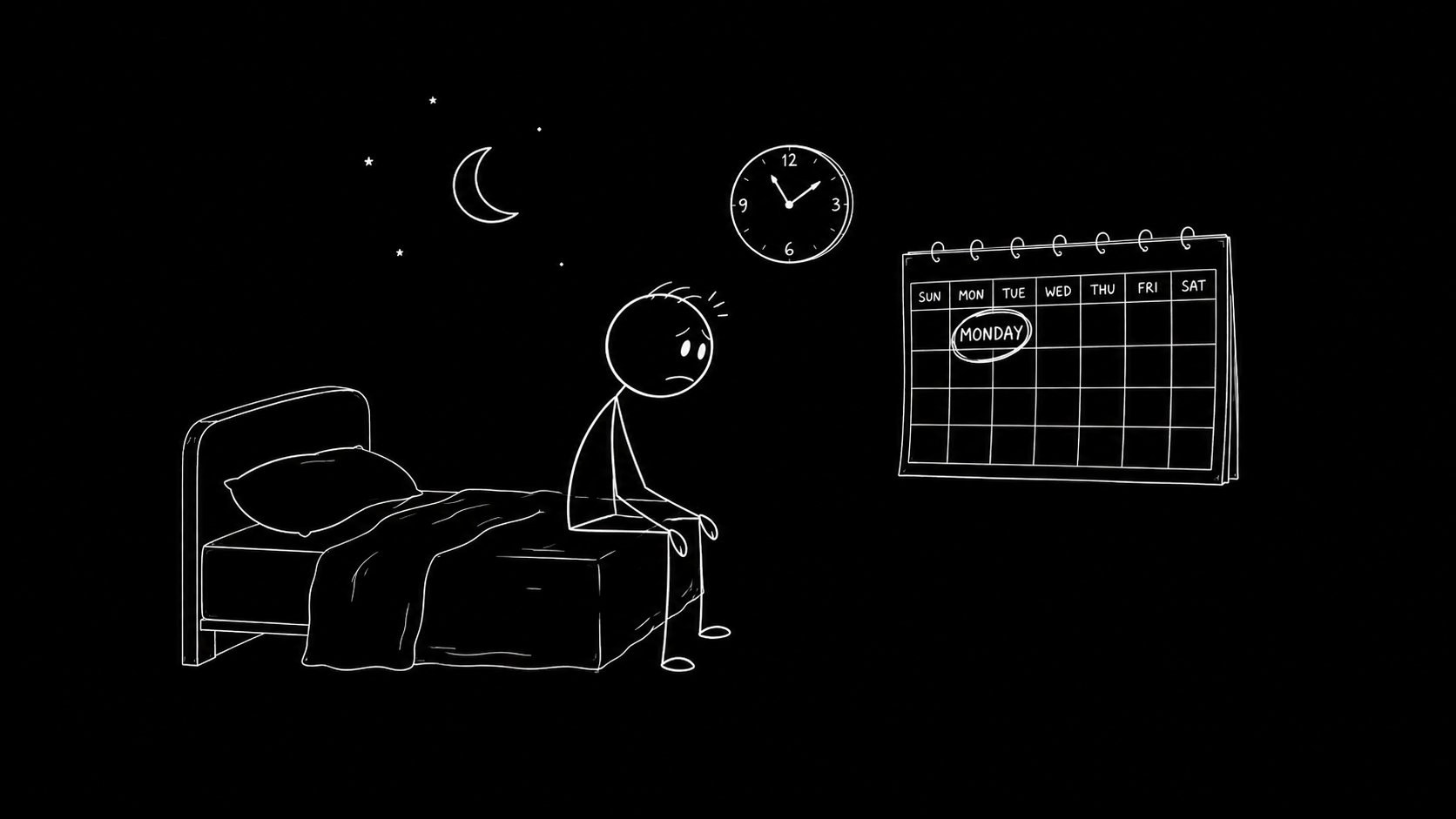
1. You can't enjoy your weekends. You used to look forward to Saturday. Now Saturday arrives and you spend it collapsed and unproductive, and you feel guilty about being unproductive while also being too tired to do anything. Sunday night dread starts at noon.
2. Your interests have disappeared. You used to read, paint, run, cook, see friends, do things. Now your free time is screens and bed. Not by choice, but because nothing else seems worth the energy.
3. Minor things feel huge. A delayed train ruins your afternoon. A critical email keeps you up at night. A small disagreement with your partner spirals into something much bigger than it should. Your tolerance for stress has shrunk because you've used it all.
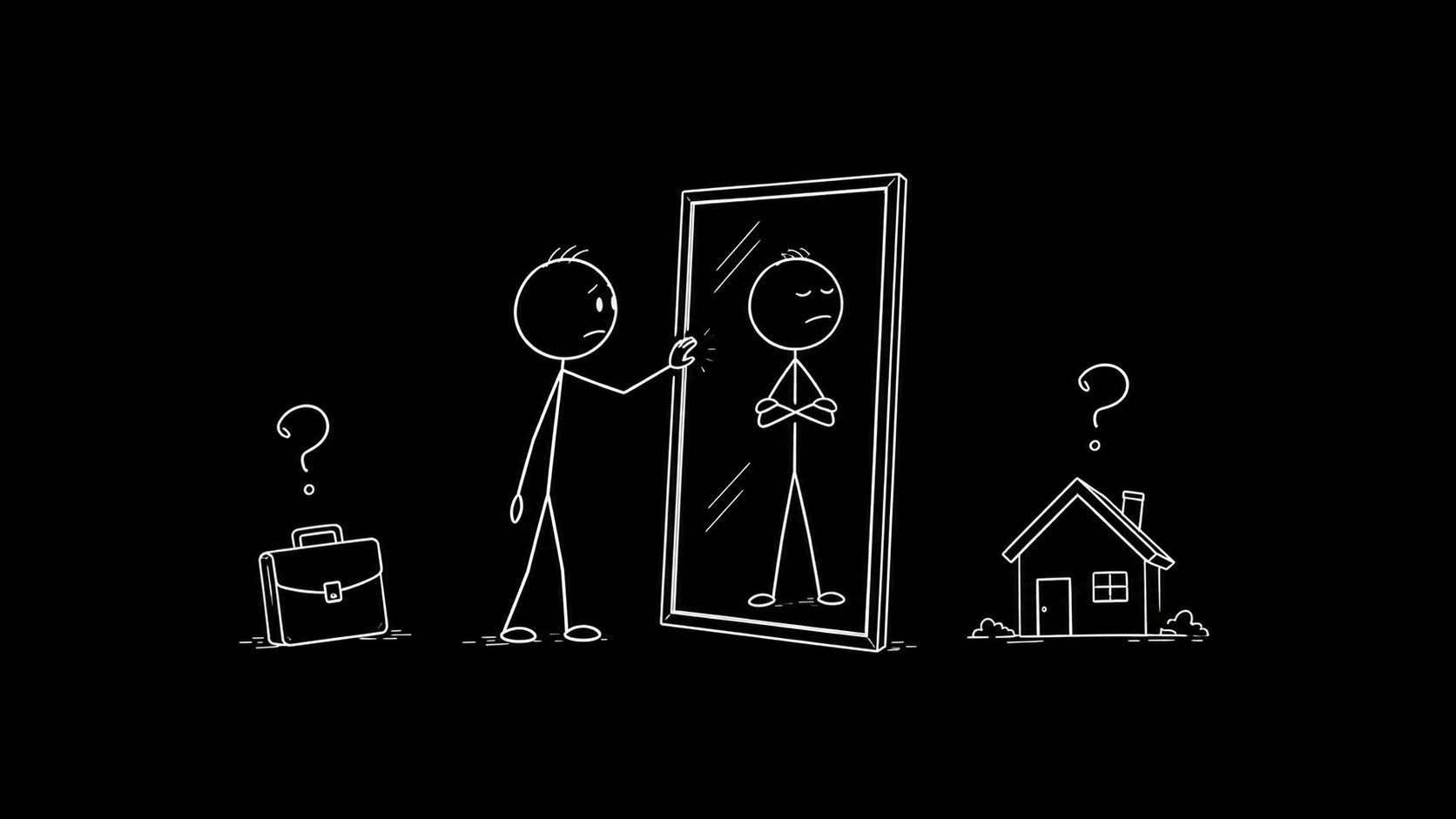
4. You're cynical about things you used to care about. Work that used to matter feels meaningless. Causes you used to believe in feel naive. The relationships you used to invest in feel transactional. This is not maturity. It's protective numbing.
5. You can't remember the last time you felt rested. You sleep but you don't feel restored. You take vacation but you come back tired. You can't recall the last morning you woke up feeling actually good.
6. You're sick more often. Catching every cold. Recurrent low-grade infections. A cold sore every month. Your immune system is suppressed because your cortisol has been elevated for too long.
7. You've gained or lost weight without trying. Cortisol dysregulation changes how your body stores fat, particularly around the midsection. Stress also drives both emotional eating and appetite loss, depending on your patterns.
8. You snap at people you love. Your partner. Your kids. Your closest friends. You apologize, you don't know where it came from, and then it happens again. Your nervous system is so depleted that you have nothing left for the people you most want to be patient with.
9. You fantasize about disappearing. Not in a suicidal way. In a fantasy way. Quitting your job and moving to a remote village. Walking out of your life. Faking your own death and starting over. These thoughts are not character defects. They are your psyche searching for the off switch your life isn't providing.
What To Do About It
You can't morning-routine your way out of high-functioning burnout. The interventions have to be structural, not optimization.
Identify the actual drain. Sit down and list everything in your life that requires energy. Work tasks. Relationships. Commitments. Inputs. Be honest about which ones drain you and which ones restore you. Most people are shocked to find that 80 percent of their drain comes from 20 percent of their commitments.
Stop volunteering. Burned-out people are often chronic volunteers. They take on tasks at work, in their friend groups, in their families. Stop. Not forever. For three months. Let other people do the work you've been doing for free. See what happens. (Mostly nothing happens. Things get done by other people. Or they don't and you discover they didn't matter.)
Disappoint someone. If you've been over-functioning, someone in your life has come to expect things from you that drain you. Disappoint them this week. Say no to one specific thing. Survive their disappointment. Notice that you're still alive. Repeat.
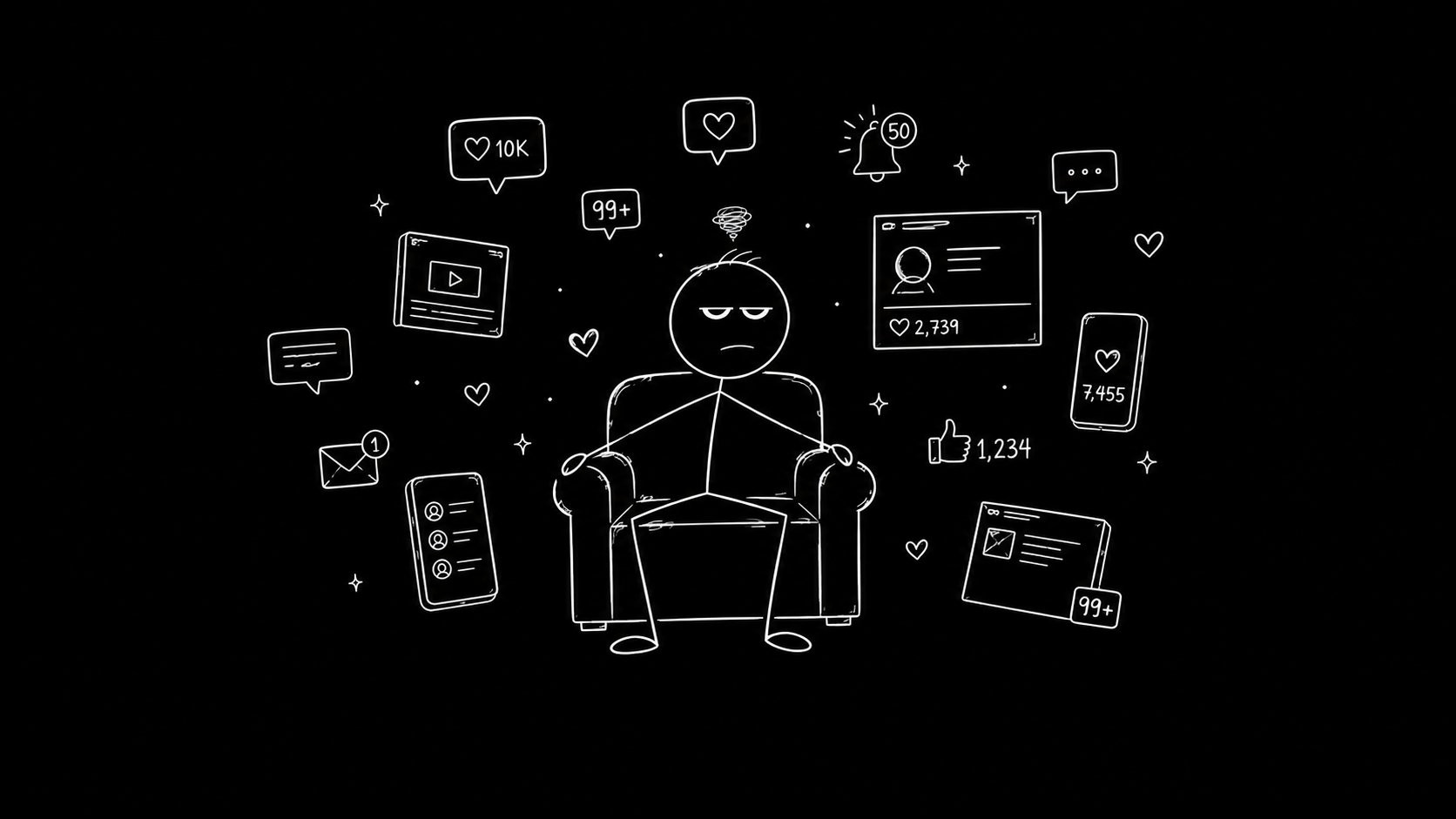
Cut your input by half. Notifications, news, podcasts, scrolling, streaming. Whatever your current intake of information is, halve it for a month. Burnout is a body in chronic activation, and constant input keeps the activation going.
Schedule unproductive time. Put two hours a week in your calendar with no purpose. Don't fill it with errands. Don't optimize it. Let it be empty. Most burned-out people have lost the muscle for unstructured time and have to rebuild it deliberately.
Move slowly. Walk slowly. Eat slowly. Talk slowly. Drive slowly. Your nervous system has been running at high speed for years, and slowing down is a physical practice your body has to relearn. It will feel uncomfortable at first.
Accept that recovery takes months. Not a week off. Not a vacation. Months of consistent, structural change. Burnout takes years to build and it does not unwind in days.
The Deeper Pattern
High-functioning burnout is sustained by a story you tell yourself about who you are. The story usually goes: I am the one who handles things. I am stronger than other people. I am not the kind of person who falls apart. I would be ashamed to need help.
This story is what built your competence, and it is also what is killing you. The work of recovery requires updating it. You can be capable and also tired. You can be strong and also need rest. You can be responsible and also unable to be everything to everyone forever.
When To Seek Help
If you have several of these signs and they have persisted for months, please consult a doctor. Chronic burnout has medical consequences (cardiovascular, immune, endocrine) and is worth treating before it becomes one of them. A burnout-aware therapist can also help structure recovery.
The Audiobook That Walks You Through This
The full framework for understanding and recovering from silent burnout is in the audiobook The Silent Burnout. It covers the four phases of recovery, the structural changes that actually work, and the deep nervous-system retraining required to come back. Listen free on Spotify.