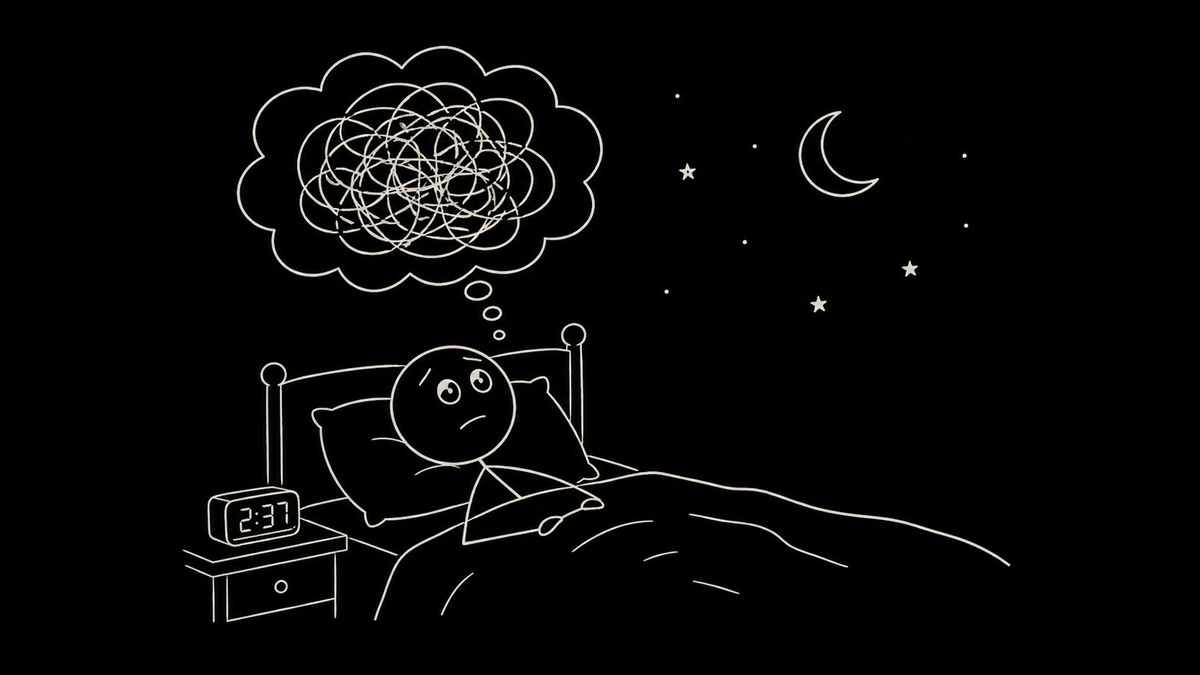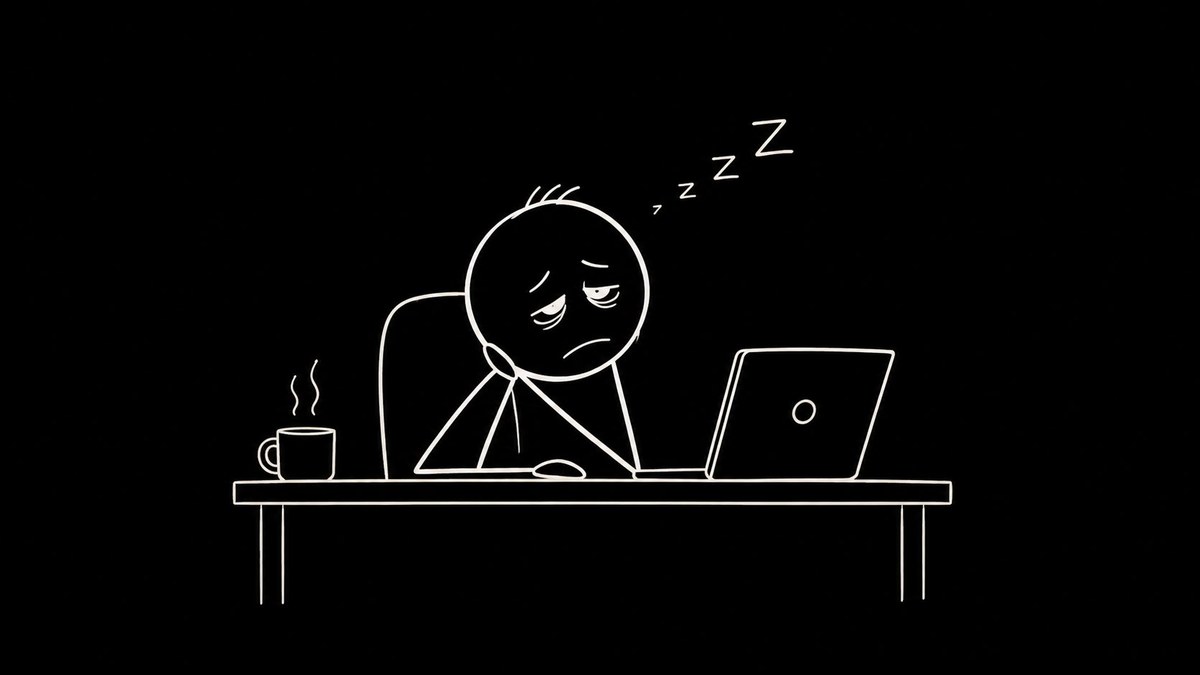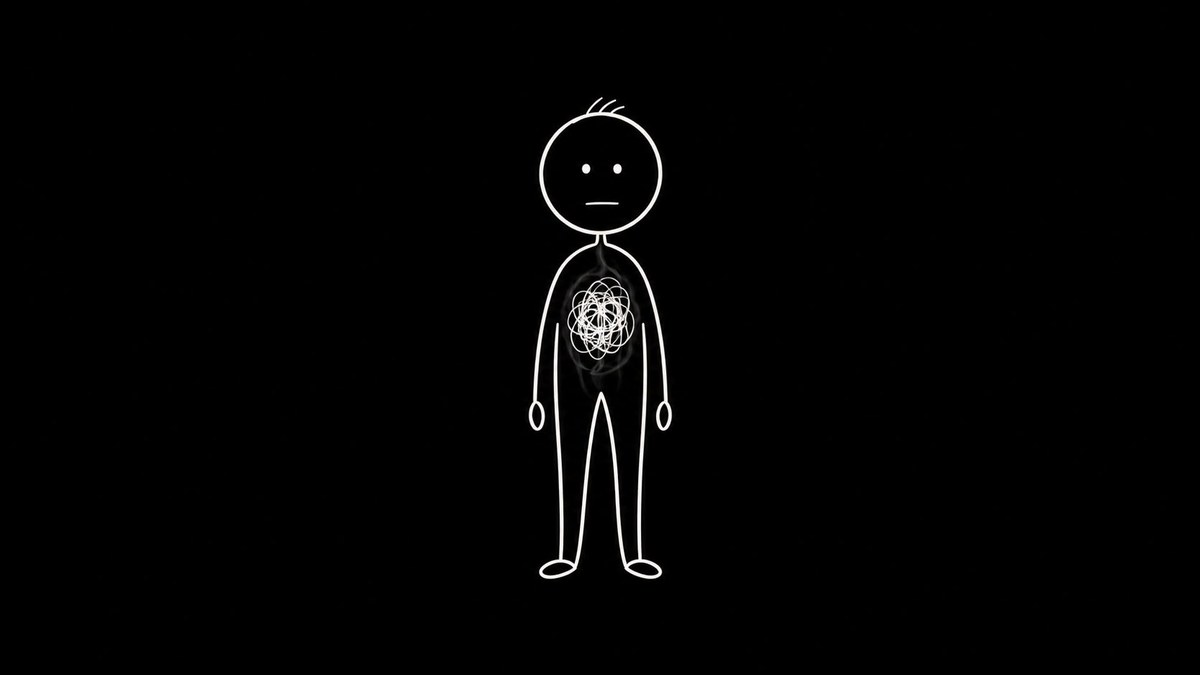
You did the work. You went to therapy. You understand your childhood. You can explain your attachment style. You have language for everything that happened to you. And yet your body keeps acting like none of it is over. You flinch when someone raises their voice. You can't fully relax even in safety. Your shoulders are permanent. You wake up at 4am for reasons no one can explain. This is what trauma does. It lives in the body long after the mind has moved on, and it cannot be reasoned with.
The Hidden Truth About Trauma In The Body
The phrase "the body keeps the score" comes from Bessel van der Kolk, the psychiatrist whose book by the same name changed how the field understands trauma. The phrase points to something specific: trauma is not stored as a memory in the way we usually think of memories. It's stored as physiological response, in tissue, in nervous-system patterns, in habits of breath and posture and reaction that operate below conscious awareness.
This is why two people can have insight into their trauma and feel completely different. One has done the cognitive work and still wakes up bracing every morning. The other has done somatic work and walks through their life with their shoulders down. The difference is not insight. The difference is whether the body has been given a chance to complete what it never got to complete.
If you've been doing trauma work and feel like something isn't shifting, this is probably what's missing.
Why This Happens To You Specifically
Trauma is not in the event. It's in the unfinished biological response to the event. When something overwhelming happens, your body fires fight, flight, or freeze. If you got to fight, the response completed. If you got to flee, the response completed. If you couldn't do either, which is what happens to children, to people in coercive relationships, to anyone in situations of helplessness, the response didn't complete. The energy got stored.
Decades later, that stored response is still trying to complete. Your nervous system periodically tries to discharge it, often without your conscious awareness. The flinch. The startle. The sudden tension. The wave of nausea. The dissociation. These are not random. They are your body trying to finish a sequence it never got to finish.
There are several patterns that make this especially likely:
Childhood trauma. Children cannot fight or flee. Children freeze. A childhood with chronic threat, even subtle threat, produces a nervous system that learned to manage by going still. Adults who grew up this way often describe feeling weirdly disconnected from their own bodies, like they're operating from somewhere above their shoulders.
Developmental trauma. This is the trauma that has no specific event. It's the slow accumulation of unmet needs, emotional neglect, attachment failures, conditional love. There's nothing dramatic to point to. Your body absorbed the pattern anyway.
Single-event trauma that wasn't processed. A car accident, an assault, a sudden loss. If you didn't have the conditions to fully feel and integrate the event at the time, the energy waits. It can wait for years.
Medical trauma. Surgery, hospitalization, serious illness, particularly in childhood, often produces trauma that no one recognizes as trauma. The body remembers being immobilized, frightened, or in pain.
The Signs You Should Know
Stored trauma in the body shows up in specific, recognizable ways:
You flinch easily. You're hypervigilant about other people's moods. You can't fully relax even in genuinely safe situations. You startle at small sounds. You have chronic muscle tension that no massage can release. You hold your breath without realizing it. You feel disconnected from your body, like you're observing it from a distance. You have unexplained physical symptoms (chronic pain, gut issues, fatigue) that doctors can't account for. You overreact emotionally to small things. You're either constantly busy or completely collapsed, with no middle. You have difficulty knowing what you feel. You shut down in conflict instead of engaging. You have a strong sense of impending bad things even when nothing is wrong. You can't quite trust people, even people who have never given you a reason not to.
If most of these are familiar, your body is carrying something. The work is not to figure out what. The work is to give your body the conditions to release it.
Why Insight Isn't Enough
This is the part most people don't expect. You can understand exactly why you do what you do, and continue doing it. You can know that your flinch comes from your stepfather raising his voice when you were eight, and still flinch when your partner raises their voice now. Insight is necessary but it does not regulate a nervous system.
This is because the part of your brain that holds trauma is not the part that responds to language. The amygdala, the brain stem, the insula, the regions involved in threat and bodily response, do not speak words. They speak sensation, movement, breath, posture. You can talk to them through language, but the change happens in the body, not the conversation.
The most cognitive therapy you do, the more frustrating this is. You can be the smartest patient your therapist has ever had and still feel like a stranger inside your own body. The fix is not more talking. The fix is including the body.
What To Do About It
The work of releasing stored trauma is slow, has to be titrated, and ideally happens with professional support. The practices below are starting points, not replacements for trained help.
Notice without changing. Begin by simply noticing what your body is doing throughout the day. Are your shoulders up? Is your jaw clenched? Are you holding your breath? Don't try to change it. Just notice. Most people who carry trauma are so dissociated from their bodies that they can't even feel what's happening. Building this awareness is step one.
Move slowly, deliberately, daily. Slow walking. Slow stretching. Yoga that emphasizes gentle holding. Tai chi. Anything that asks you to feel your body while moving it. Speed is the enemy of trauma release. Trauma stored in the body comes out slowly or it overwhelms.
Breathe into the places you don't go. Lie on your back. Place your hand on your belly. Try to breathe so that your hand rises. Most trauma-holding people breathe shallowly into their chest, never into their belly. Belly breathing is parasympathetic activation, and it requires letting your guard down. Practice it for 10 minutes a day.
Discharge through movement. If you feel tension or activation, move it through. Shake your hands and arms vigorously for a minute. Walk fast for ten minutes. Stomp your feet. Animals naturally shake off trauma after a threat. Humans suppress this. Reintroducing it helps complete responses your body has been holding.
Practice safety in small doses. The body learns safety through repeated experiences of safety. Find small moments where your body feels okay. A warm bath. A weighted blanket. A trusted friend's company. Pay attention to what safe feels like, in your body, so your nervous system can begin recognizing it.
Find a trained somatic therapist. If your trauma is significant, please don't try to do this alone. Modalities like Somatic Experiencing, Sensorimotor Psychotherapy, EMDR, and brainspotting were designed for this work. The right therapist makes an enormous difference.
The Deeper Pattern
If your body is carrying trauma, please understand: this is not weakness. It's not failure. Your body did exactly what it was supposed to do. It survived. It stored what couldn't be processed in the moment because processing would have been too much. It kept the score so you could keep living.
The work of healing is not erasing what your body remembers. It's giving your body the conditions, finally, to put down what it has been carrying. This takes time. It takes patience. It takes the recognition that your body is not the enemy. It's the one that's been keeping you alive.
When To Seek Help
If you suspect you have significant trauma, particularly if you have symptoms of CPTSD (complex PTSD), please work with a trained trauma therapist. This is not work to do alone. The right professional support can change a lifetime of patterns.
The Audiobook That Walks You Through This
The full framework for understanding stored trauma, the science of how the body keeps the score, and the slow careful path to releasing it, is in the audiobook The Trauma Your Body Never Forgot. It covers what's happening physiologically, the principles of safe somatic work, and what to do when insight alone isn't enough. Listen free on Spotify.