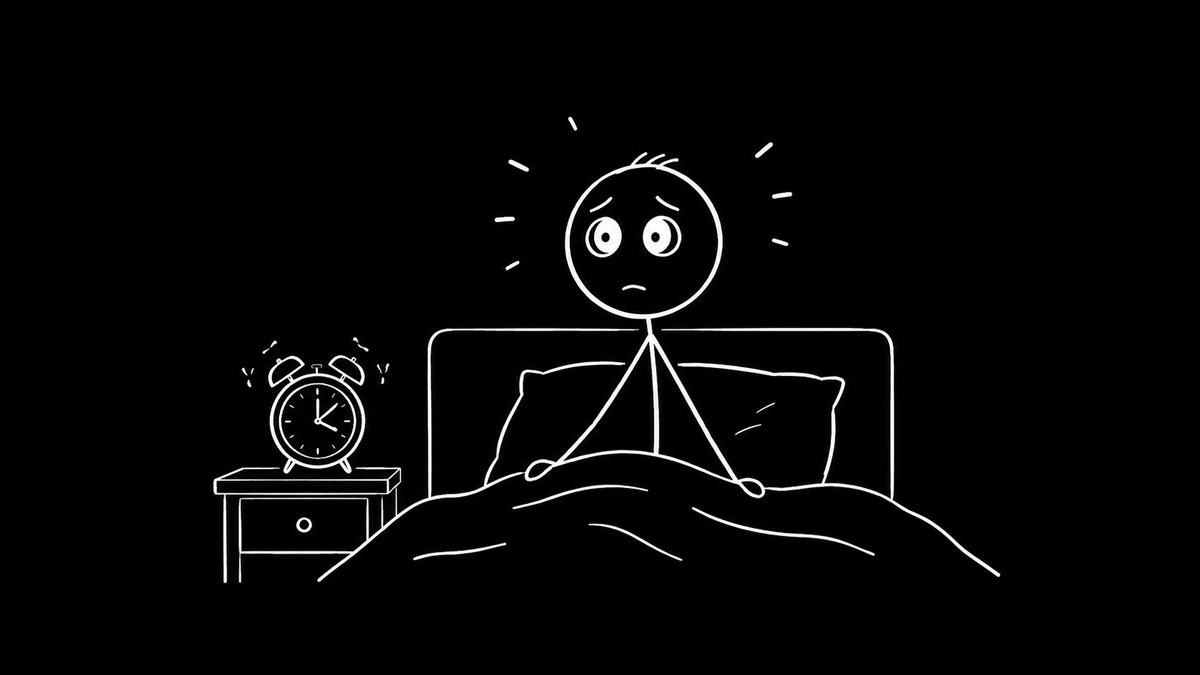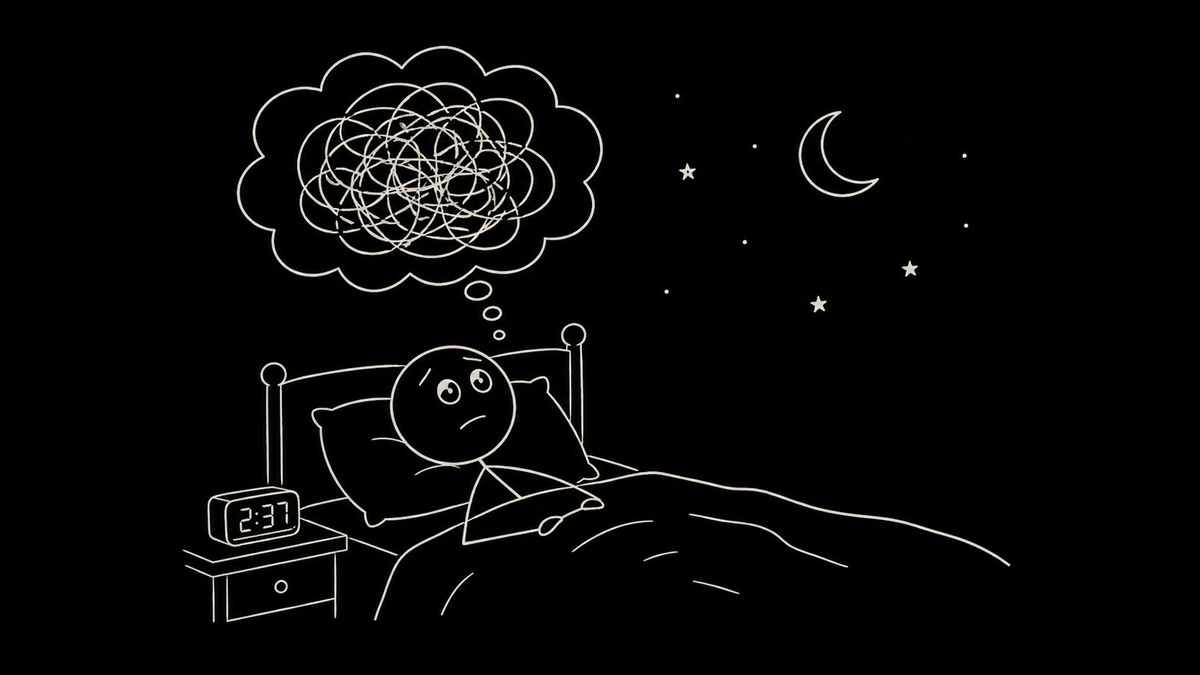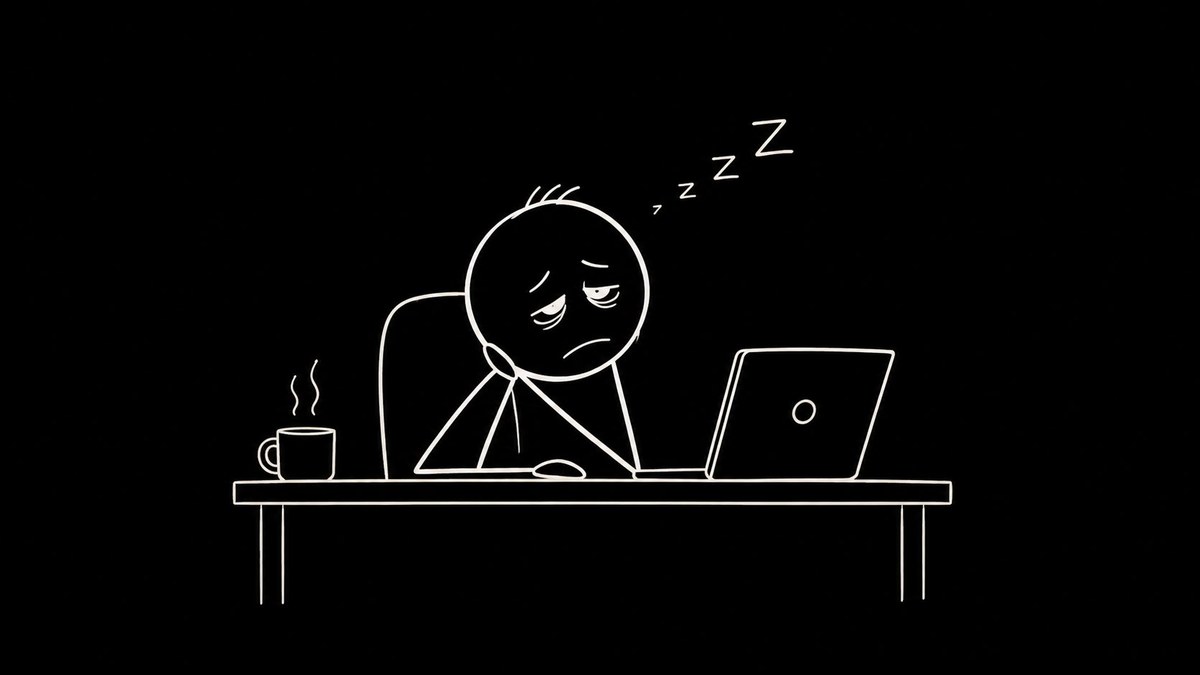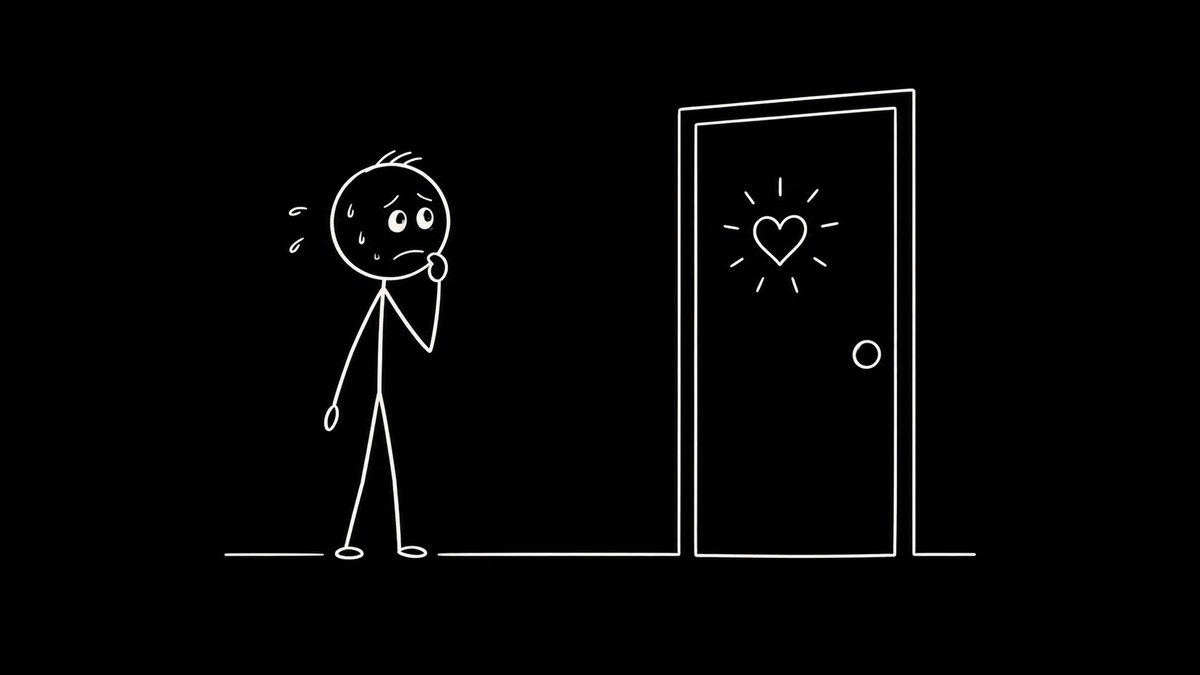
You can answer emails for eight hours straight. You can clean your kitchen until it sparkles. You can run errands you don't even need to run. But the book you want to write, the business you want to start, the conversation you need to have, the project you actually care about, you've been avoiding for months. Maybe years. And the more it matters, the harder it gets to start. This isn't laziness. It's something much more specific.
The Hidden Truth About Procrastination That Hurts
The standard story about procrastination is that it's a discipline problem. You need more motivation. You need a better system. You need to want it more. This is the wrong story, and it has made millions of people hate themselves for years over something that is not, fundamentally, a character flaw.
Procrastination on things you care about is a threat response. It's not that you don't want to do the thing. It's that your nervous system has correctly identified that doing the thing puts something important at risk. Usually, that something is your identity.
You can answer emails all day because no email defines you. You can clean your kitchen because the kitchen does not represent who you are. But the project, the business, the application, the difficult creative work, those things are tied to your identity in a way that the small tasks aren't. If you try and fail, you have evidence that you are not what you hoped you were. Better to never try than to try and confirm your worst fear.
This is why the most important tasks are the hardest to start. Not because you don't care. Because you care too much.
Why This Happens To You Specifically
There are four common patterns that make this worse, and most people who struggle with this have at least two:
Perfectionism as protection. If you're a perfectionist, you've internalized the rule that your work must be exceptional before it can be shared. The version of the project in your head is perfect. The moment you start working on it, you produce something imperfect. The gap between the perfect imagined version and the imperfect actual version is intolerable. So you don't start. Perfectionism keeps the perfect version alive in fantasy, which is much more comfortable than producing the imperfect version in reality.
Identity at stake. If you've been telling yourself you're a writer, an entrepreneur, an artist, a leader, an athlete, the moment you try to do the work, you're auditioning to confirm whether the identity is true. If the work goes badly, the identity might be a lie. The stakes are existential. So you avoid the audition.
History of being criticized for your work. If you grew up being praised for results rather than effort, or criticized in ways that hurt, your nervous system learned that work is dangerous. Sharing what you've made invites judgment. Judgment hurts. Your body remembers, even when your mind doesn't.
The dopamine economy is competing for your attention. Even when you sit down to do the important thing, your brain has been trained for instant reward. Long-form, uncertain, slow-payoff work cannot compete with the immediate dopamine of a notification, a feed, or a quick task. You don't lack discipline. You're competing against an industry that has spent billions optimizing for your attention.
The Signs You Should Know
This specific kind of procrastination has its own signature:
You can do unimportant tasks all day. You can think about your important project constantly without ever working on it. You research instead of starting. You plan instead of doing. You wait for the right time, the right mood, the right inspiration, the right tools, the right setup. You feel a wave of resistance the moment you try to start, a physical reluctance that has nothing to do with energy. You feel guilty about not doing it, but the guilt doesn't make you do it. You make promises to yourself about tomorrow. Tomorrow comes and you don't keep them. You hate yourself for it, briefly. Then you do it again.
If most of these are familiar, you're not lazy. You're afraid. And the fear is doing what fear is supposed to do: keeping you away from the thing it thinks is dangerous.
What To Do About It
The fix is not motivation. Motivation cannot beat threat response. The fix is changing the threat profile of the task itself.
Separate the task from your identity. Before you start, name the threat. Say out loud: "If this goes badly, I will still be the same person." Repeat until your body believes it. The task does not measure your worth. Your worth is not on trial.
Make the task smaller than your fear. If your brain is too scared to write the book, it's not too scared to write one sentence. If it's too scared to write a sentence, it's not too scared to open the document. Find the smallest version of the task that your nervous system can accept, and start there. The bar is not productivity. The bar is contact.
Time-block it but make the block tiny. Twenty-five minutes. Set a timer. You're not committing to finishing. You're committing to twenty-five minutes of contact. When the timer goes off, stop. Even if you're in flow. Stopping early trains your nervous system that the task is safe, because it ends.
Lower the quality bar deliberately. Tell yourself, out loud, that you are going to do this badly. The goal of today's session is a bad draft, a clumsy first attempt, an embarrassing rough version. Perfectionism cannot operate at the bad-draft level. It can only operate when you're trying to be good. Take "good" off the table.
Notice the resistance feeling and sit with it. When you sit down to start and you feel the wave of resistance, do nothing. Don't open the project. Don't scroll. Don't escape. Just feel the resistance for 90 seconds. Most of it dissipates. The procrastination is what you do to escape the feeling. If you stop escaping, the feeling passes faster than you think.
Address the deeper question. If you've been avoiding the same project for years, the project is information. Is this what you want? Are you doing it for the right reasons? Is the identity it would confirm one you actually want? Sometimes long-term procrastination is your nervous system telling you that you don't actually want what you've been telling yourself you want.
The Deeper Pattern
Procrastination on things you care about is not a productivity problem. It's an identity problem. You're protecting yourself from a possible future in which you tried and failed, by ensuring that future never arrives. The cost is that you also never arrive at the future where you tried and succeeded.
The work, eventually, is to become someone who can survive failing. Not to become someone who doesn't fail. Once your nervous system trusts that failure won't destroy you, starting becomes possible. Until then, every important task feels like a death threat, and your body responds accordingly.
When To Seek Help
If procrastination is severe, lifelong, and significantly impacts your education, career, or relationships, it may be worth exploring whether you have ADHD or another underlying condition. These are diagnosable and treatable, and what you've been calling procrastination might be an executive function difference. A psychiatrist or psychologist can evaluate.
The Audiobook That Walks You Through This
The full framework for understanding why you can't start, including the nervous system science and a complete set of strategies, is in the audiobook This Is Not Procrastination. It explains exactly what's happening in your brain and how to work with it instead of against it. Listen free on Spotify.