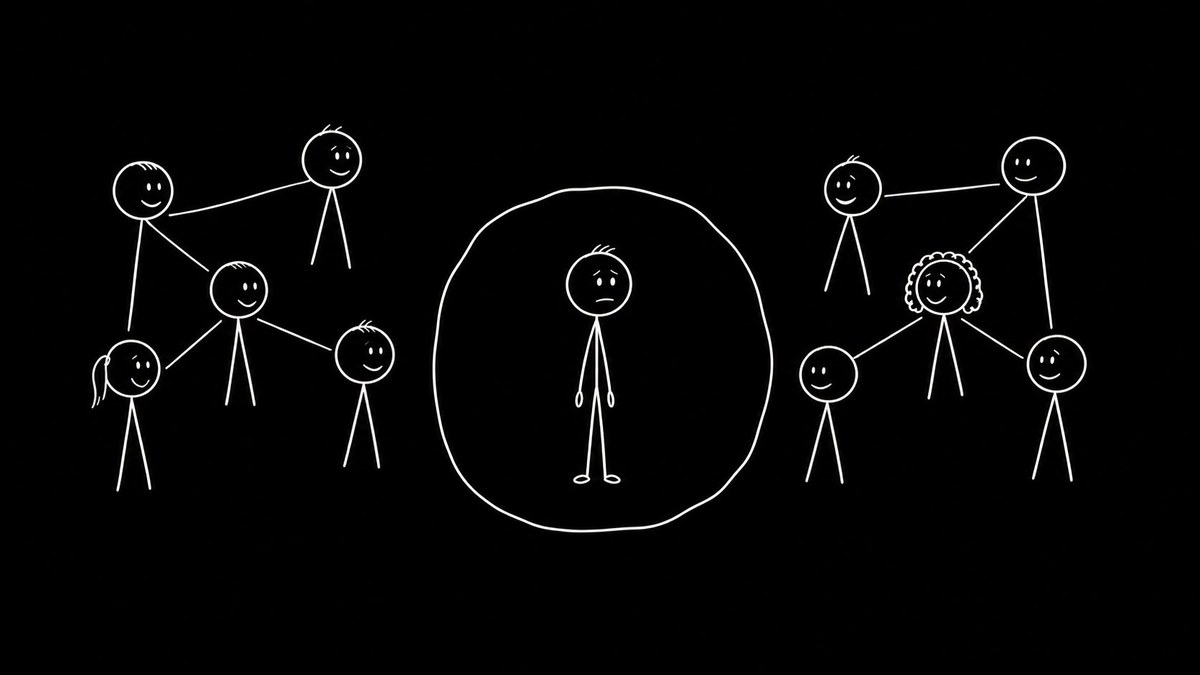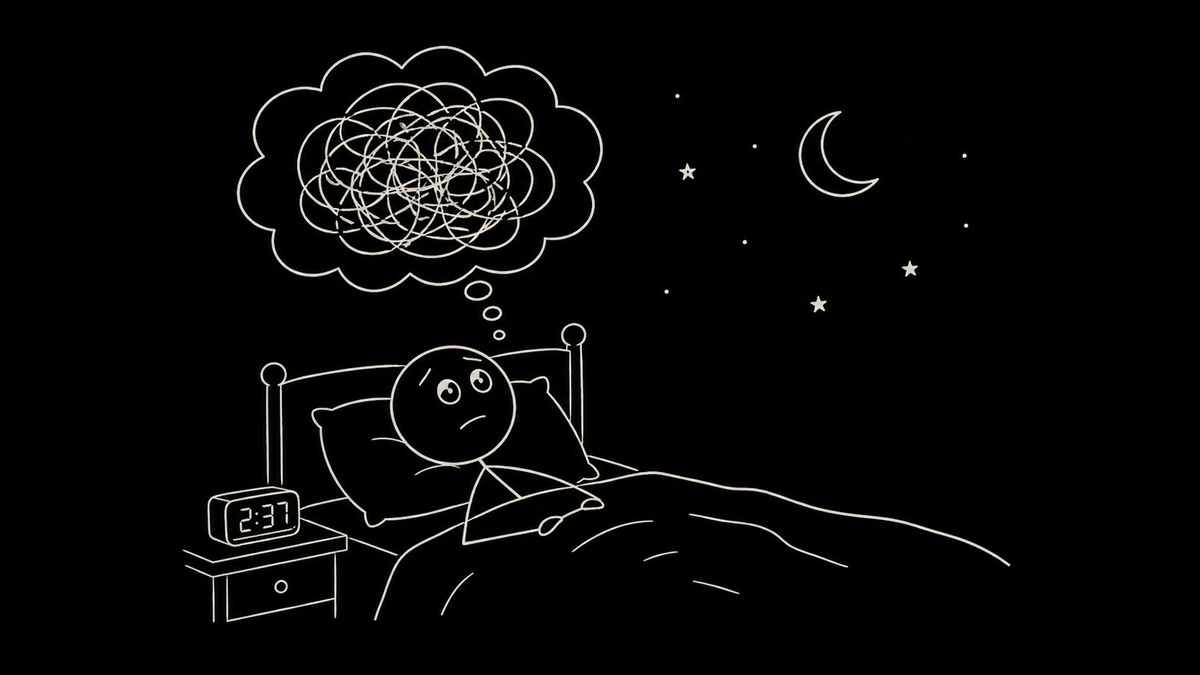
You moved to a new city. Or you outgrew your old friend group. Or you had kids and lost touch. Or your closest people moved away. Whatever the path, you've arrived at a strange and surprisingly painful realization: making close friends as an adult is much, much harder than it used to be. And it's not your imagination. Something structural shifted, and millions of people are quietly going through the same thing you are.
The Hidden Truth About Adult Friendship
Friendship is one of the things modern life broke without anyone naming the loss. For most of human history, close friendship was a byproduct of proximity. You lived near people for decades. You worked alongside them. You attended the same gatherings, the same religious services, the same neighborhood events. You didn't have to schedule friendship. It happened around you because the structure of life required you to keep showing up in the same places with the same people.
The architecture for friendship started disappearing in the second half of the twentieth century. Suburbs replaced walkable neighborhoods. Cars replaced shared transit. Television replaced community gatherings. Then the internet replaced television, and now everyone is technically connected to everyone but actually meeting fewer people in person than at any point in modern history.
By the time most people hit their late twenties, the structures that produced friendship without effort have vanished. You can be in a city of millions, surrounded by interesting people, and find it astonishingly difficult to make one new close friend in a year. This isn't a personal failure. It's the predictable consequence of living in a system that was not designed for the kind of connection you need.
Why This Happens To You Specifically
There are five reasons making friends as an adult feels especially hard right now:
Adult life is structured around productivity, not community. Your week is full of commitments designed to extract output from you: work, errands, family logistics, exercise. Unstructured time, which is where friendship grows, has been almost completely eliminated from the modern schedule. Even when you have time, you're tired.
Everyone is exhausted and saying no. The friends you do have are operating on the same depleted bandwidth. You text them about getting coffee. They mean to respond. They don't. They feel guilty. You feel rejected. Neither of you is doing anything wrong, but the friendship doesn't happen.
Repetition has been replaced by intention. Friendship is built through repeated unstructured contact. Previous generations got this for free because they ran into the same people constantly. You have to manufacture this through deliberate scheduling, and deliberate scheduling rarely produces the kind of casual closeness that turns into real friendship.
The assumption of low welcome. Most adults have absorbed a quiet belief that reaching out is an imposition. You don't want to be the one who texts first, who suggests plans, who keeps initiating, because it feels needy. The other person has absorbed exactly the same belief. Both of you would love to hear from each other. Neither of you reaches out. The friendship dies of mutual politeness.
Romantic partnership has swallowed the social need. Modern culture expects your romantic partner to be your best friend, intellectual companion, emotional regulator, and primary source of belonging. This expectation has hollowed out the broader social fabric, because all the friendship energy gets directed at one relationship. When that relationship is struggling or doesn't exist, the loneliness is total.
The Signs You Should Know
The specific kind of loneliness that comes from struggling to make adult friends has its own signature:
You have plenty of acquaintances but no one you'd call at midnight. Your close friends live in other cities and you rarely see them. You've been meaning to text someone you like for weeks and haven't. You wonder if you should be friends with people you don't really like just to have someone to do things with. You feel weird inviting someone to do something casual because it feels like a date. You realize you haven't had a real conversation about your inner life in months. You can be in a crowd and feel completely alone.
If most of these are familiar, you're not socially broken. You're operating inside conditions that produce this loneliness in millions of people.
What To Do About It
Making adult friends is not going to happen by accident. It has to be built like infrastructure, deliberately and slowly. None of this is easy. All of it works if you persist.
Initiate without waiting for reciprocity. Make peace with being the one who initiates. Text first. Invite people to things. Follow up when they don't respond. The math of adult friendship is that for every five initiations, you get maybe two responses, and of those, one becomes something real. If you wait for people to reach out to you, you will spend your thirties alone. The people you want to be friends with are also waiting for someone to reach out. Be that person.
Suggest low-stakes repeated contact. Don't ask someone to brunch. Brunch is a single event that may or may not happen. Suggest a recurring walk on Saturday mornings. A monthly dinner. A weekly co-working session. Repetition is what builds friendship, and you have to bake it in.
Practice depth quickly. Most adult interactions stay on the polite surface forever. Skip past the surface. Ask the question that actually matters. Tell the truth about your week instead of saying it was fine. People are starving for real conversation. The first person who breaks through the politeness usually gets to keep the friendship.
Join a recurring structure. A class, a club, a sport, a volunteer group, a religious community, a regular meetup. Anything that brings you to the same place at the same time with the same people for weeks or months. This is the only reliable way to manufacture proximity in a world that has eliminated it.
Be okay with non-friendships. Not every person you reach out to will become a close friend. Some will fade. Some will stay polite acquaintances. This is the math, not a verdict on you. Plant many seeds. Some grow. Most don't.
Treat friendship like an investment. The research suggests it takes around 90 hours of shared time to become casual friends, and around 200 hours to become close friends. That's a lot of hours. If you're spending 2 hours with someone every other month, you're 8 years away from being close. Compress the timeline by being intentional.
Tell people you want to be closer. This feels vulnerable and weird and exactly right. If there's someone you've been wanting to be closer to, tell them. Most people are afraid to say it. Saying it out loud is what moves the friendship forward.
The Deeper Pattern
If you've been quietly believing that your difficulty making friends is because there's something wrong with you, please stop. The conditions that used to produce friendship for free have been dismantled. You are not failing at a basic human task. You are trying to do, with deliberate effort, what previous generations did without thinking. The fact that it's hard is not a personal failing. It's a symptom of a culture that has prioritized productivity over belonging.
Building adult friendship requires accepting this. Once you do, you can stop hating yourself for finding it hard, and start doing the deliberate work of building what the world stopped building for you.
When To Seek Help
If your loneliness is severe, prolonged, accompanied by depression or anxiety, or if you've been isolated for a long time and don't know how to start, please consider working with a therapist. Therapists can help you work through the patterns (often from childhood) that make connection feel dangerous, and can also provide a regular relational space while you build others.
The Audiobook That Walks You Through This
The full framework for understanding adult loneliness, why it's an epidemic, and how to build the friendships you want, is in the audiobook The Loneliness Nobody Talks About. It covers the structural causes, the psychological patterns, and the practical work of building belonging in a world that stopped providing it. Listen free on Spotify.