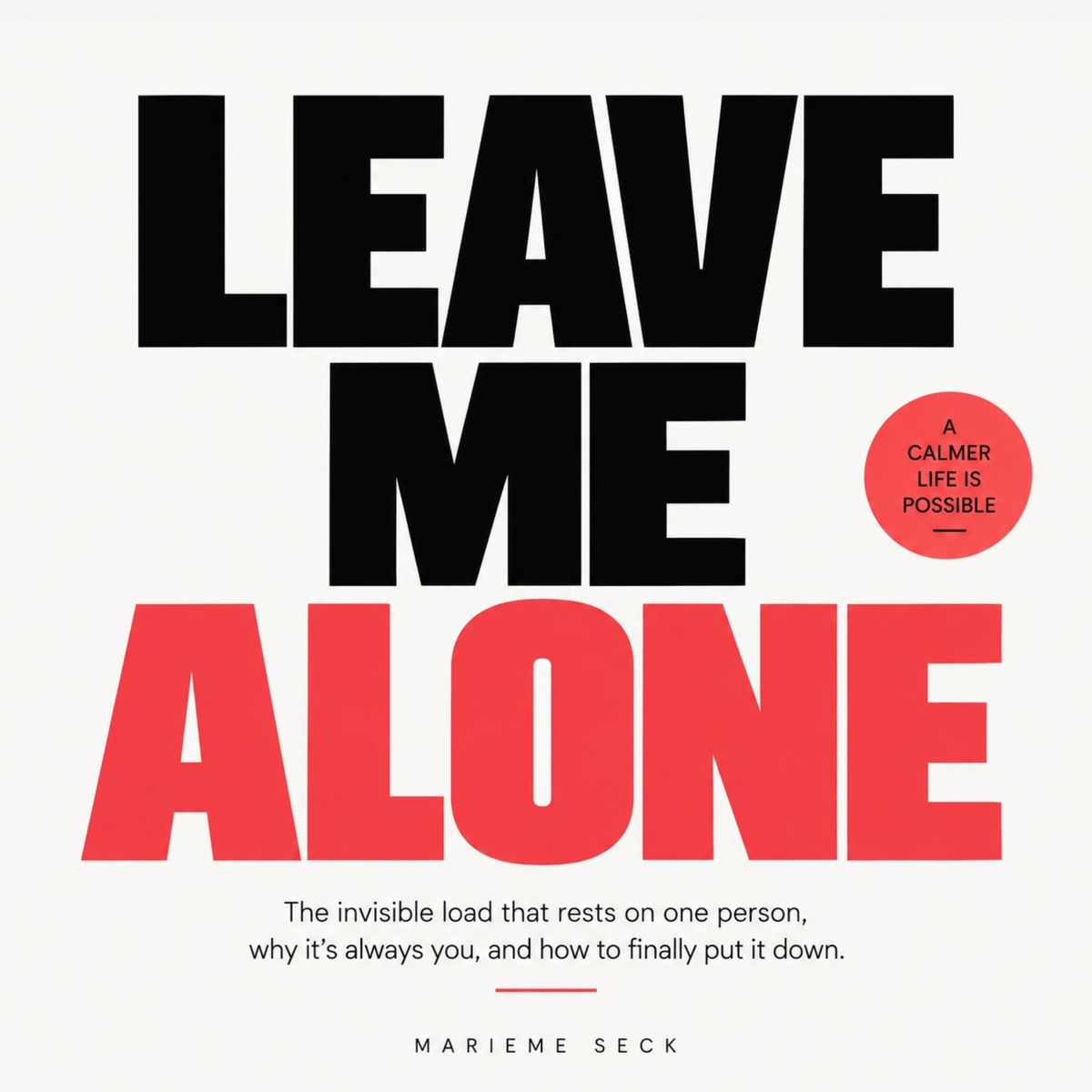
There is a kind of tiredness that sleep does not touch. It is not the work itself, which you could do with your eyes closed. It is the fact that everything, before it happens, has to happen in you first. You are the one who notices, the one who remembers, the one who knows what is due and what is low and who is not speaking to whom. The whole house, the whole family, sometimes the whole office runs through one head, and that head is yours, and it has not been switched off in years.
Nobody handed it to you
That is the strange part. There was no day when someone sat you down and said, from now on you are the one who holds it all. It came to you the way water finds the lowest point, because you noticed first, or cared most, or were standing closest, or were the eldest, or were the one who did not complain. And once it found you, it stayed, because the people around you learned very quickly that things got handled, and stopped asking how.
Why it is always the same people
This book looks honestly at who ends up carrying the invisible load, and why. It draws on real research, named so you can go and find it, on the mental labor that stays invisible precisely because it works. When it is done well, nobody sees it. The dinner appears, the appointment is remembered, the crisis is quietly prevented. The reward for carrying it well is being handed more to carry, and the better you are, the less anyone thinks to ask whether you are alright.
The load nobody talks about
It is not only a story about one kind of person or one kind of home. There is a chapter here about the men who hold it all in silence too, who are trusted precisely because they never say the floor is cracking. Carrying it without a word does not make you the strong one. It makes you the one nobody gets to help. This is a book about naming that, in every room it happens in.
How to finally put it down
The last part is not a lecture about delegating better or a list of apps. It is about the harder thing underneath: why you cannot let go even when you want to, why part of you reaches for the load the second you hand it over, and what actually changes when the noticing and the deciding stop being one person's job. A calmer life is possible. Not by carrying it better, but by finally setting some of it down.
Leave Me Alone is available free on Spotify.