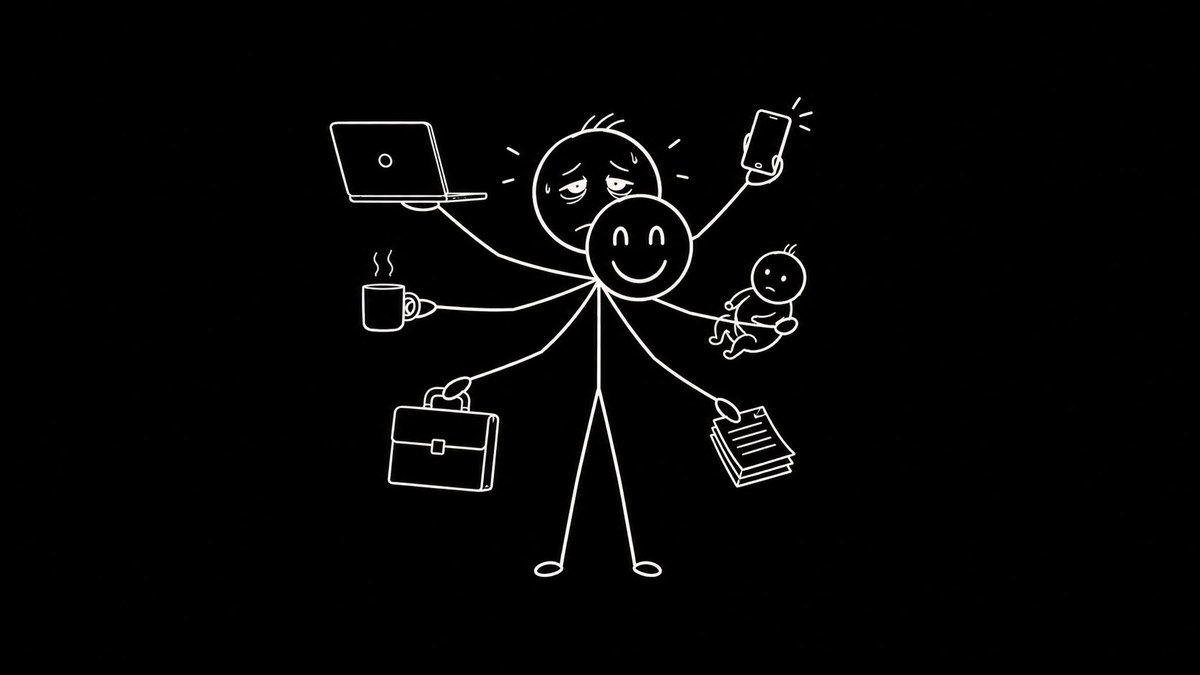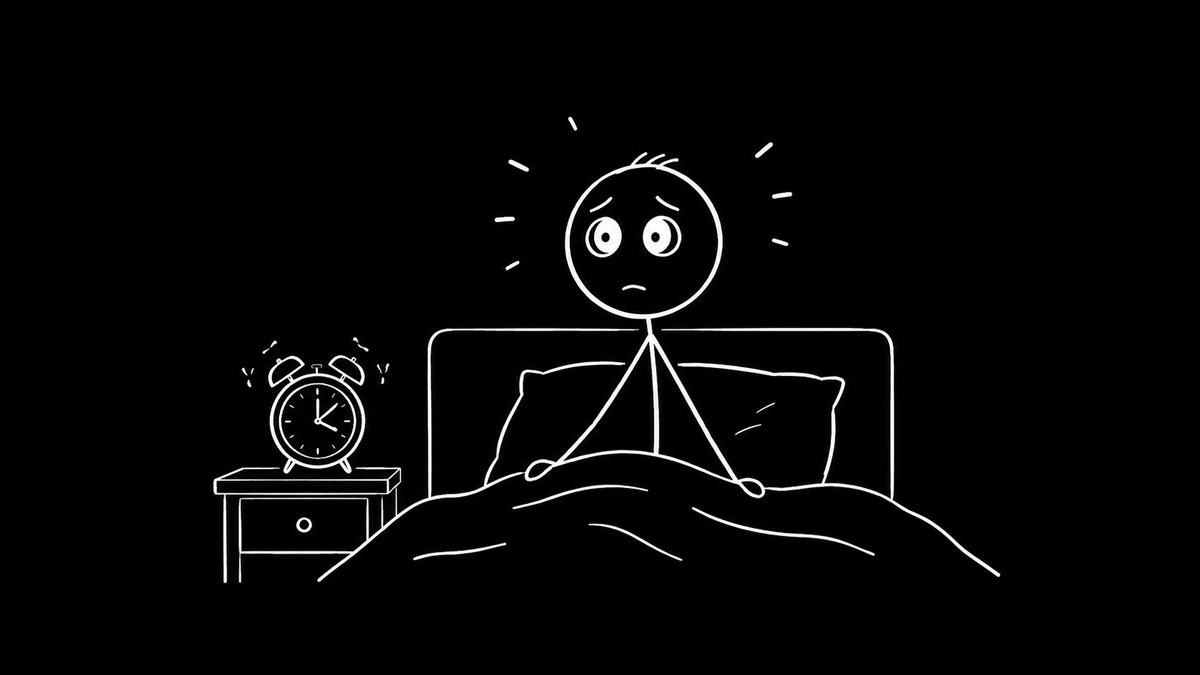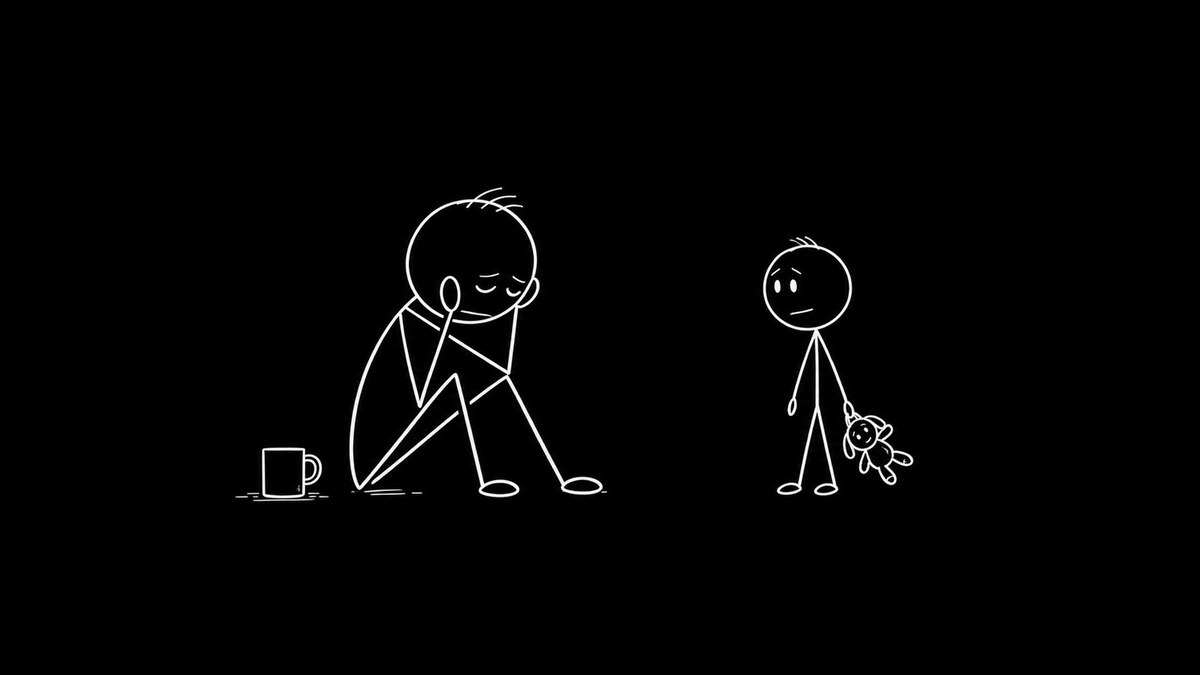
You read the books. You learned the language. You stopped yelling. You started naming feelings. You apologized when you got it wrong. You held space. You co-regulated. You did everything the experts said, and now you are sitting on the bathroom floor at 9pm wondering why you feel like you are dying.
This is gentle parenting burnout. It is not a failure of the method. It is a feature of practicing it without the conditions it was designed to be practiced in.
What gentle parenting actually requires
The original research on responsive, attuned parenting was done on extended family systems. Multiple adult caregivers. A village. The mother was not the only nervous system available to the child. When she was depleted, someone else stepped in. The child got regulated; the mother got rest.
Modern gentle parenting often gets applied by one or two parents, in isolation, with no village, while also working, while also running a household, while also having their own unhealed nervous system. The method is being asked to do what it was never designed to do alone.
The cost of being the only regulator
Co-regulation, the practice of using your calm nervous system to settle your child's dysregulated one, works. The neuroscience is real. The problem is that it is exhausting. You are functionally lending out your nervous system, multiple times a day, often for years, often without anyone lending it back to you.
Imagine if your job required you to be calm through every interaction, no matter how chaotic, for 12-16 hours a day, 7 days a week, with no breaks, while also being responsible for someone else's emotional state. That is what one-adult gentle parenting often is. It is not unreasonable to break under that load. It is reasonable.
The shame loop
Gentle parenting also tends to attract a specific kind of parent: the kind who is trying not to repeat what was done to them. Which means the moment they raise their voice, or feel a flash of frustration, or want to walk away, they get hit with a wave of shame: I am being like my parent. I am damaging my child. I am failing.
The shame is not actually a sign that you are failing. It is a sign that you care, possibly too much, with too little support. But the shame layer makes the burnout worse, because now you cannot even rest when you rest. You are mentally relitigating the moment you snapped at bedtime three nights ago, instead of recovering from it.
What therapists actually mean by co-regulation
The thing nobody tells gentle parents: you are not supposed to be regulated all the time. The goal of co-regulation is not for you to be a serene Buddha while your child rages. The goal is for you to model the cycle of dysregulation and return. They see you get frustrated. They see you take a breath, walk away for a moment, come back, name what happened. That whole sequence is what they need to see. Not the absence of dysregulation, but the rhythm of it and the repair.
If you are pretending to be calm while internally falling apart, your child can feel it anyway. Children are good at reading nervous systems. They learn more from your repair than from your absence of rupture.
The signs you are in gentle parenting burnout
It is not just being tired. It is specific:
Resentment at the method itself. You start hating the language. "Co-regulate" becomes a swear word. You roll your eyes at parenting accounts you used to follow.
Numbness with the kids. You go through the gentle motions but feel nothing. You name their feelings while feeling none of your own.
Catastrophizing every misstep. One bad moment becomes "I am ruining my child." You ruminate on small interactions for days.
Performance fatigue. You can do calm with the kids, but the second they are in bed, you cannot regulate anything. You snap at your partner. You cry over nothing. The held-together facade collapses.
Body symptoms. Jaw clenching, shoulder pain, gut issues, sleep disruption. Your body is holding what your behavior cannot let out.
How to do this without losing yourself
The point is not to abandon gentle parenting. It is to practice it sustainably.
Lower the standard on yourself, not on them. Your child needs a parent who is gentle most of the time. Not all of the time. Aim for 70% co-regulation, 20% rupture and repair, 10% "I am a human, please go to your room." The 70/30/10 parent is doing more than enough.
Build in non-negotiable repair time for yourself. Not "self-care." Actual nervous system reset. 20 minutes of being alone, no input, no responsibility. Daily if possible.
Find your village or build one. Other parents practicing this. A therapist who understands attachment parenting. A friend who will hold your child for two hours so you can not be needed.
Name it as labor. You are doing emotional labor at industrial volume. Treating it as if it should be effortless makes the cost invisible to you and to anyone who could help.
Let go of the perfect-rupture-perfect-repair narrative. Sometimes the rupture is loud. Sometimes the repair is messy. Sometimes you snap and apologize the next morning. That is still gentle parenting. The method is more forgiving than the influencer accounts make it look.
The version of you your kids actually need
Your kids do not need a regulated robot. They need a regulated-most-of-the-time human who shows them what it looks like to make mistakes, take responsibility, and repair. That version of you is achievable. The serene-always version is not, and the pursuit of it is what is breaking you.
Putting yourself back on the list is not a betrayal of the method. It is the only way you can keep practicing it.