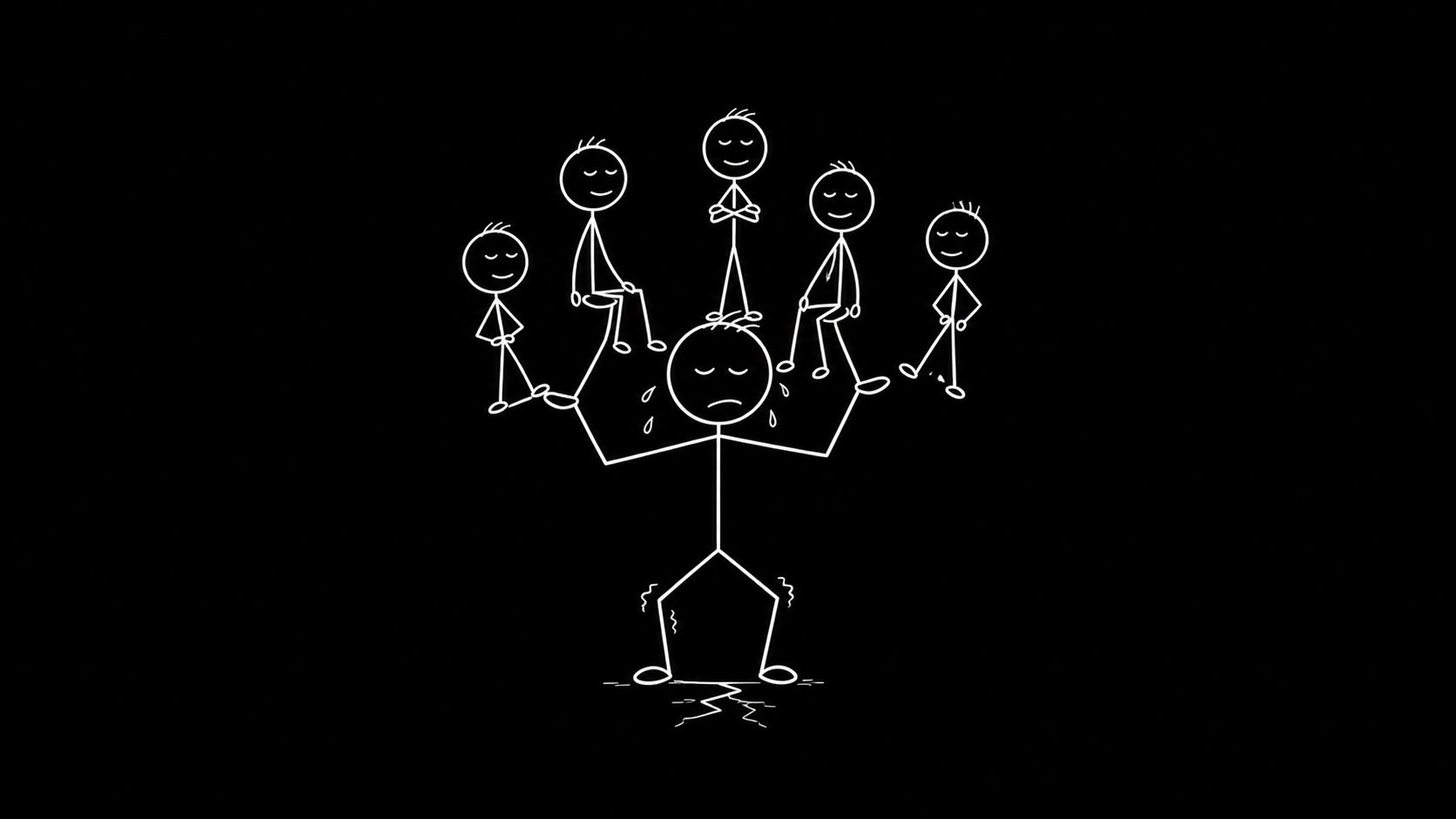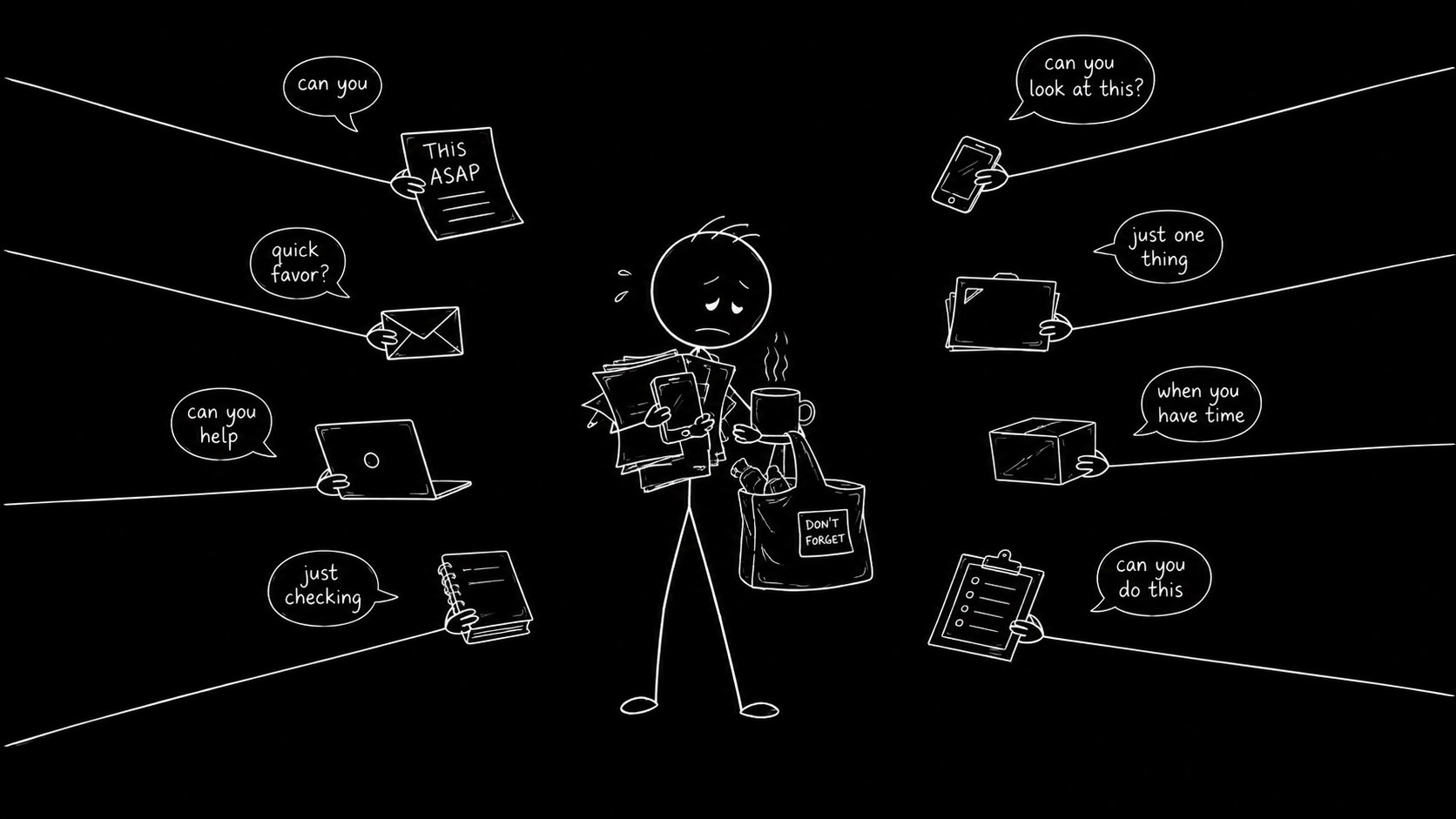
You are the one people call. When something goes wrong, when a plan falls apart, when someone needs a favor or a ride or a level head, they call you. Because you always show up. You always figure it out. You are reliable, and somewhere along the way, that stopped being a compliment and started being a cage.
Because here is what nobody tells you about being the reliable one. The reward for carrying everything is being handed more to carry. And the better you are at it, the less anyone thinks to ask whether you are okay.
How reliability becomes a trap
It starts as a good thing. You are competent, dependable, the person who follows through. People notice. They lean on you a little, and you deliver, and it feels good to be needed. So they lean a little more. And you deliver again, because that is who you are now, and letting them down would feel like betraying your own identity.
Slowly, without anyone deciding it, a dynamic hardens. You become the one who handles things. Others become the ones who are handled. And the moment that role sets, it becomes almost impossible to step out of, because everyone, including you, has organized around the assumption that you will always be fine.
The part that actually exhausts you
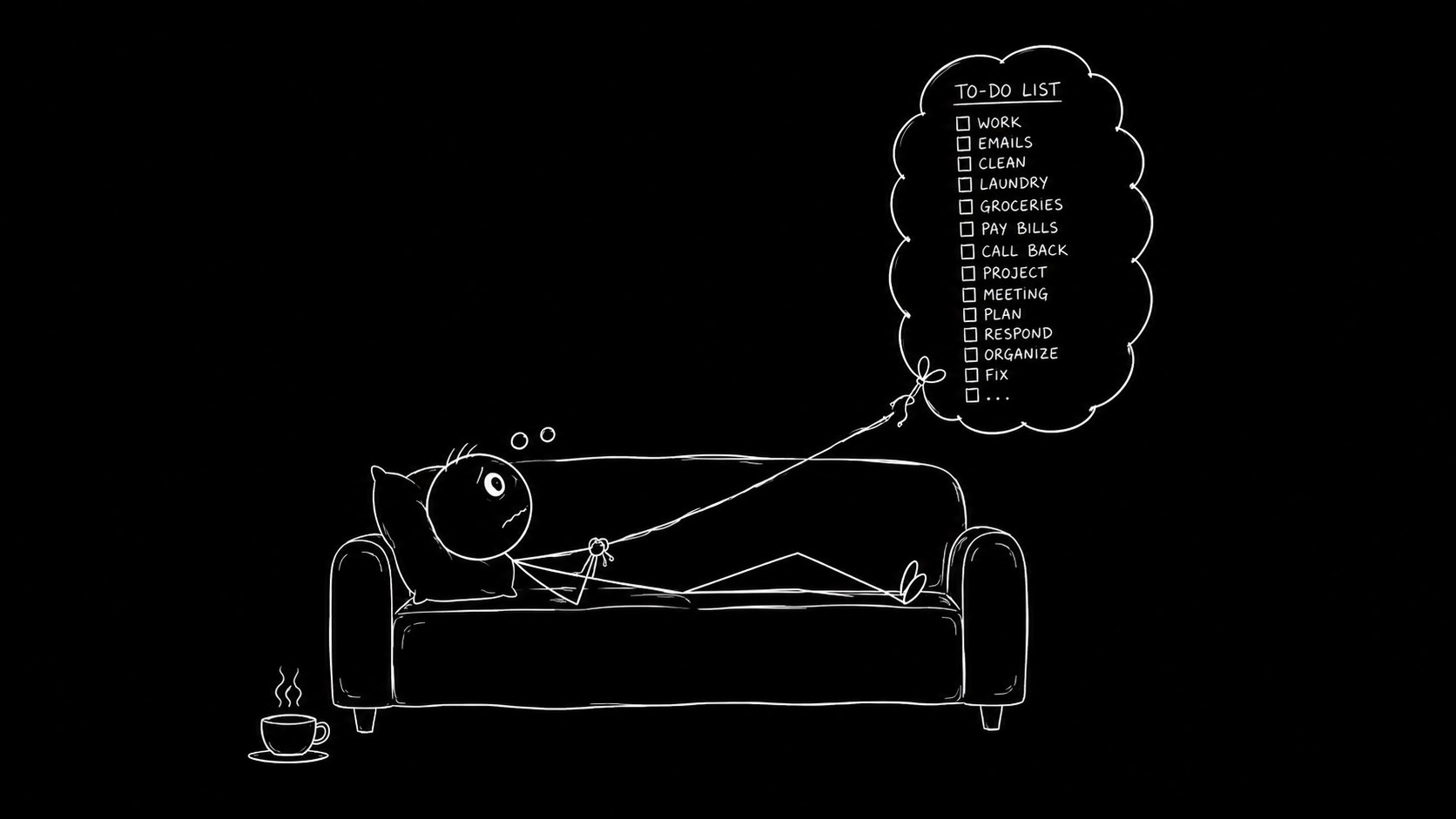
The exhaustion is not just the tasks, though there are always too many tasks. The deeper drain is that reliability erases your permission to struggle. When you are the strong one, the capable one, the one who has it together, there is no room left for you to fall apart. Who would you even fall apart to. Everyone in your life has learned to bring their problems to you, not to take yours.
So you carry your own load silently, on top of everyone else's, and you do it without the thing that would actually help, which is someone carrying a little of it back.
Why you cannot just stop
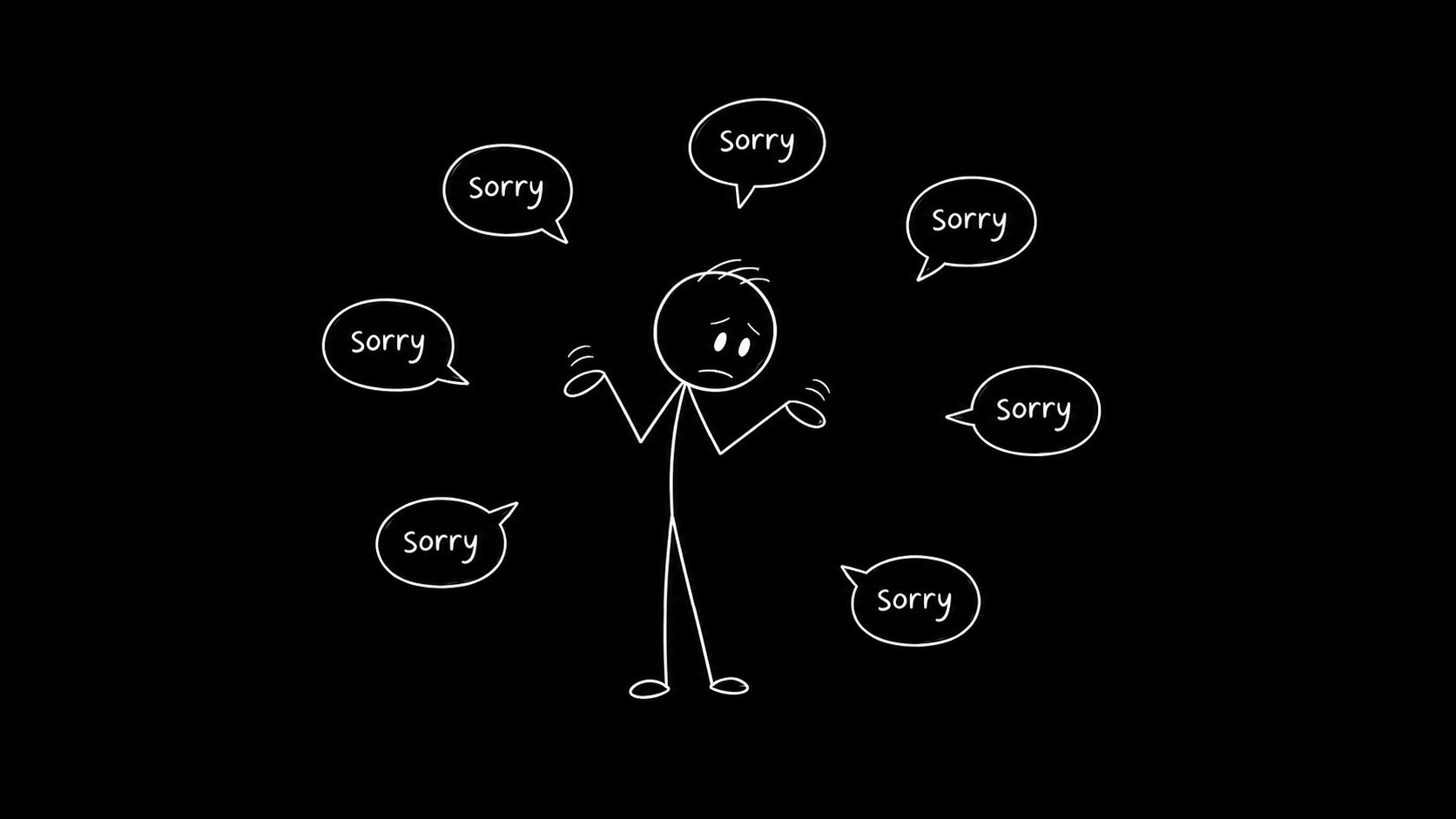
People say just set boundaries, just say no, just let others step up. But if you have been the reliable one for years, stopping feels genuinely dangerous. There is the guilt, sharp and immediate, when you imagine leaving something undone. There is the fear that if you are not useful, you are not valued. And there is the very real fact that when you stop catching everything, some things will drop, at least at first, because everyone around you has stopped developing the muscle you have been using for them.
Underneath it, often, is an old belief. That being needed is the price of being kept. That if you stop being useful, people will stop staying. Reliability, for a lot of people, is not generosity. It is insurance against abandonment.
Letting things drop on purpose
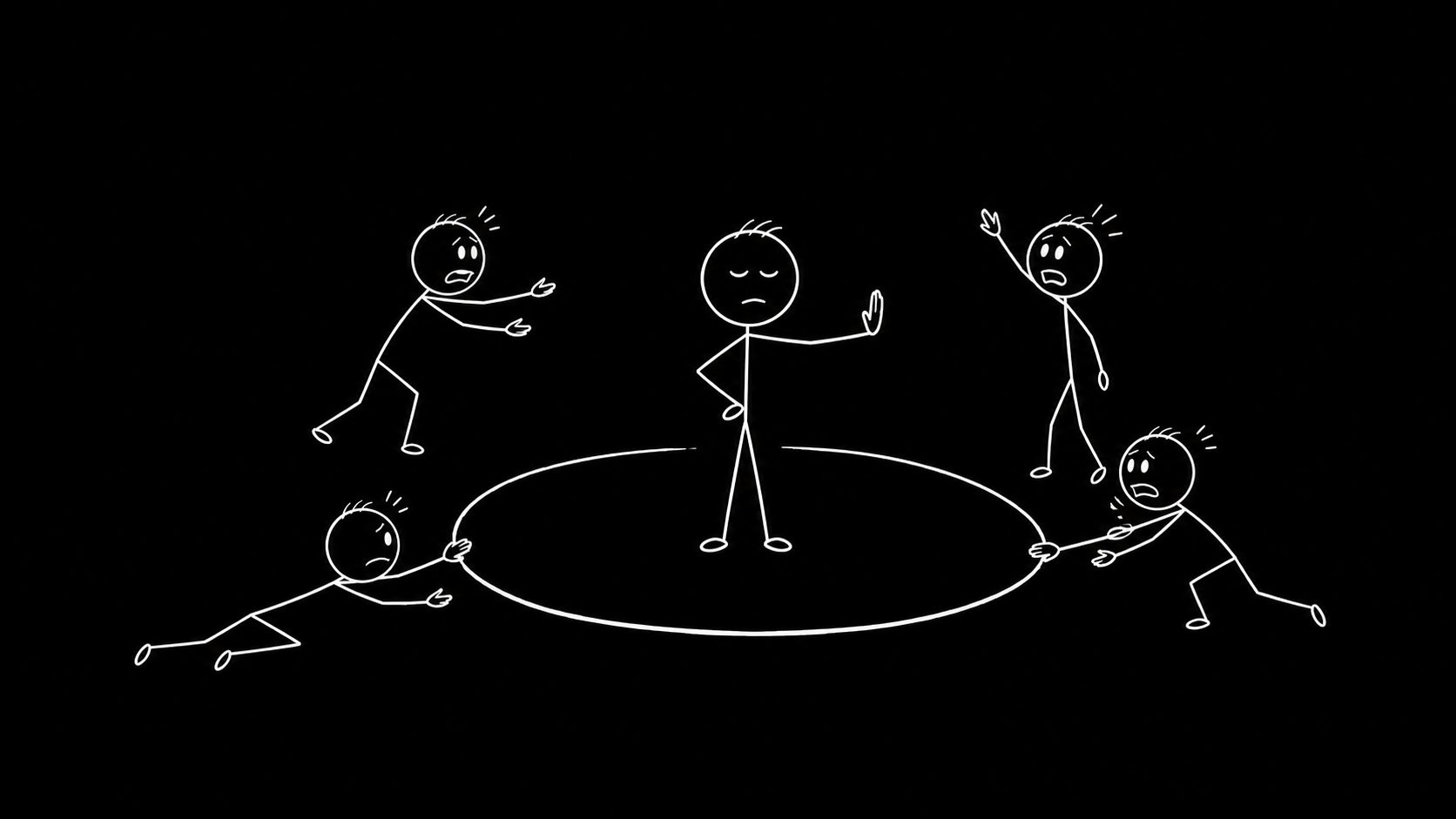
The way out is not to become unreliable. It is to stop being reliable automatically, and start being reliable by choice. That means letting some things be handled by someone else, even imperfectly, even worse than you would have done them. It means saying no to requests that were never yours to carry, and sitting through the guilt without rescuing anyone.
It means letting people be mildly inconvenienced by your limits, and discovering that the ones worth keeping do not leave when you stop over-functioning. They adjust. Some of them, quietly relieved, even start showing up for you, because you finally left space for them to.
You were never valued only for what you carry. But you will not believe that until you set some of it down and watch who stays.
If you are worn down from holding everyone up, The Silent Burnout and Not Giving a F*ck Anymore are about putting the weight down before it flattens you.
Marieme Seck is the author of self-help audiobooks available on Spotify and 30+ platforms worldwide.