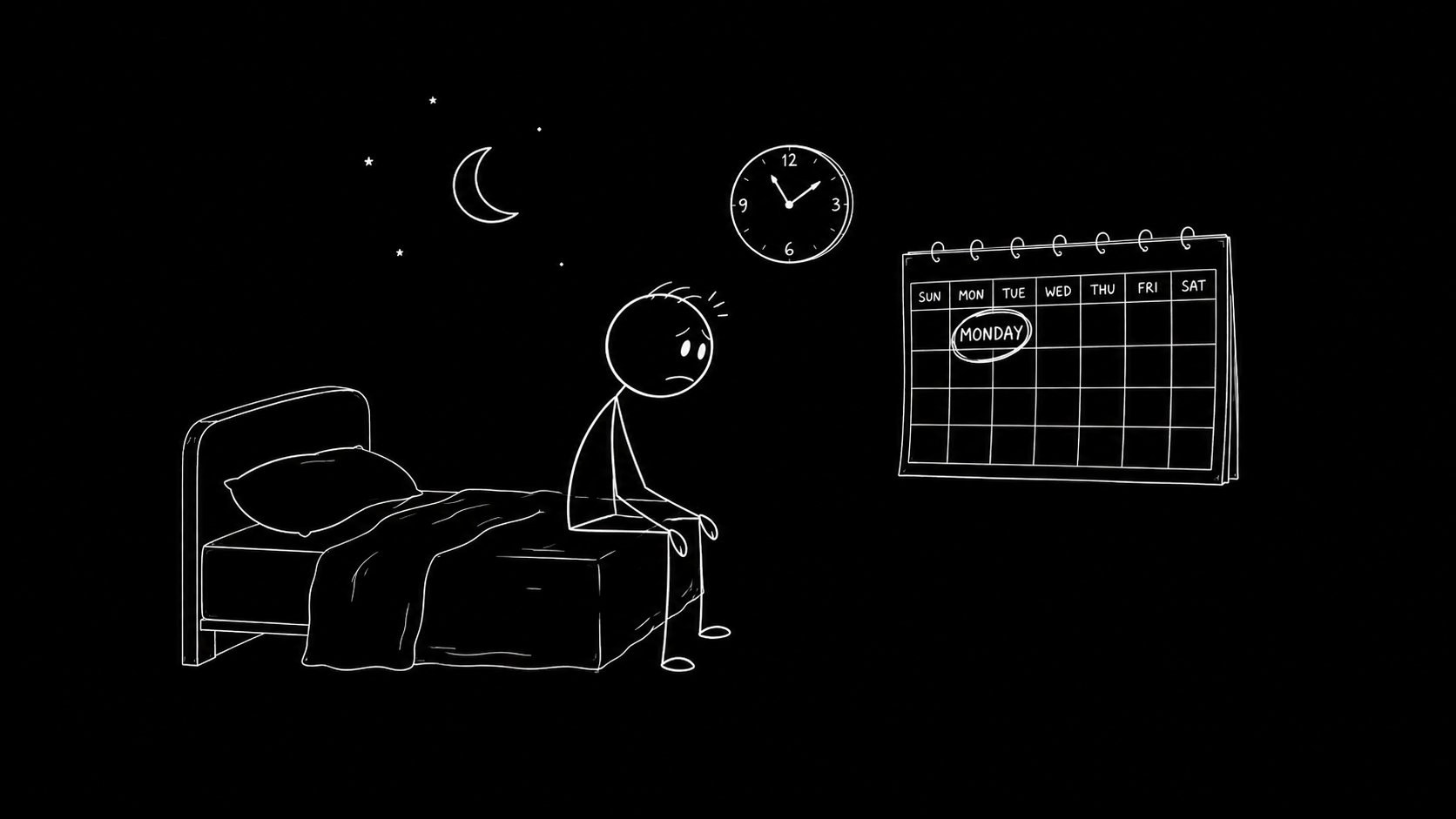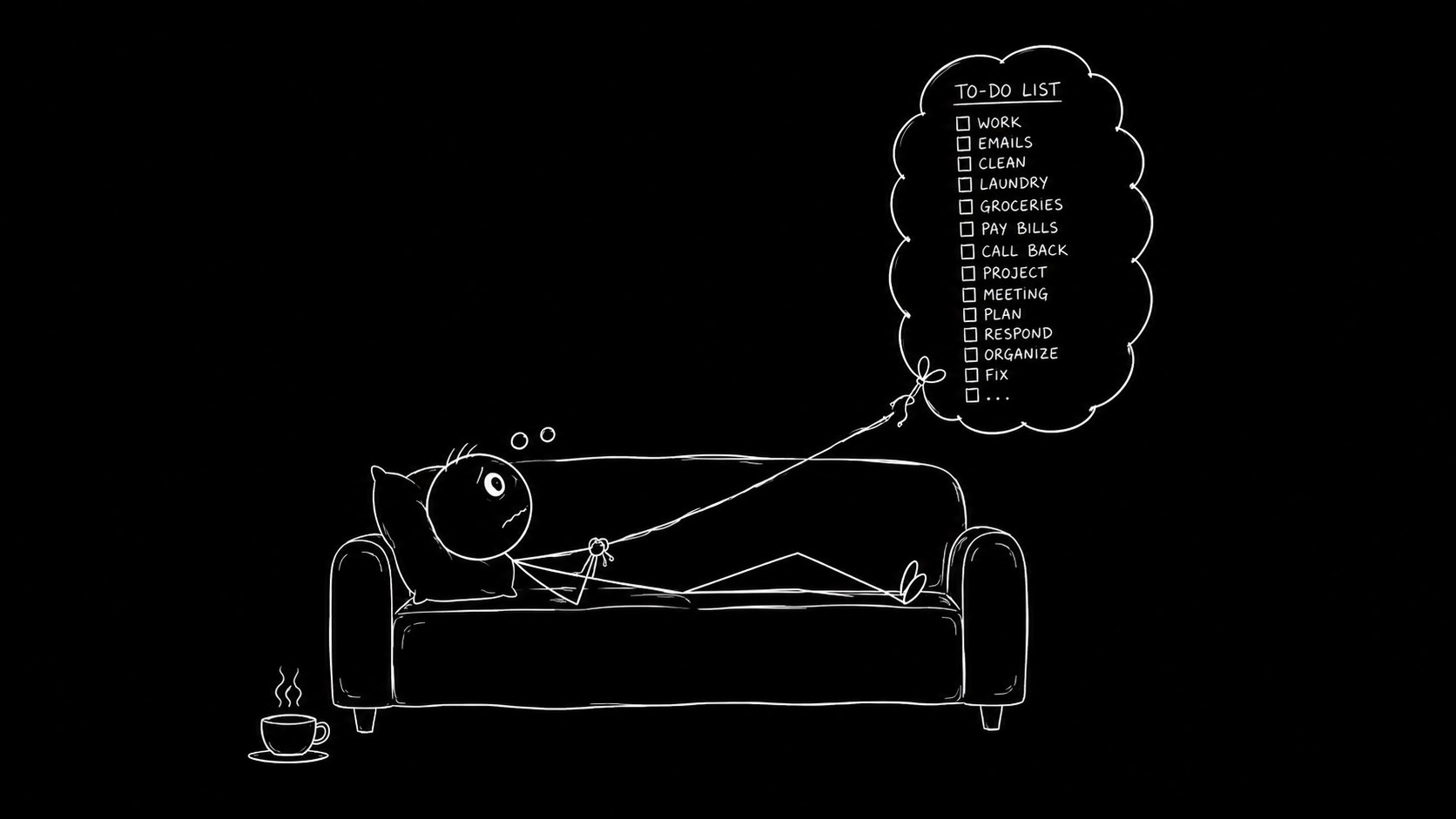
You finally sit down. The work is done, or at least done enough. Nobody needs anything from you right now. This is the moment you have been craving all day. And instead of relief, a low hum of guilt starts up in the back of your mind. You should be doing something. There is always something. Sitting here feels lazy, indulgent, wrong.
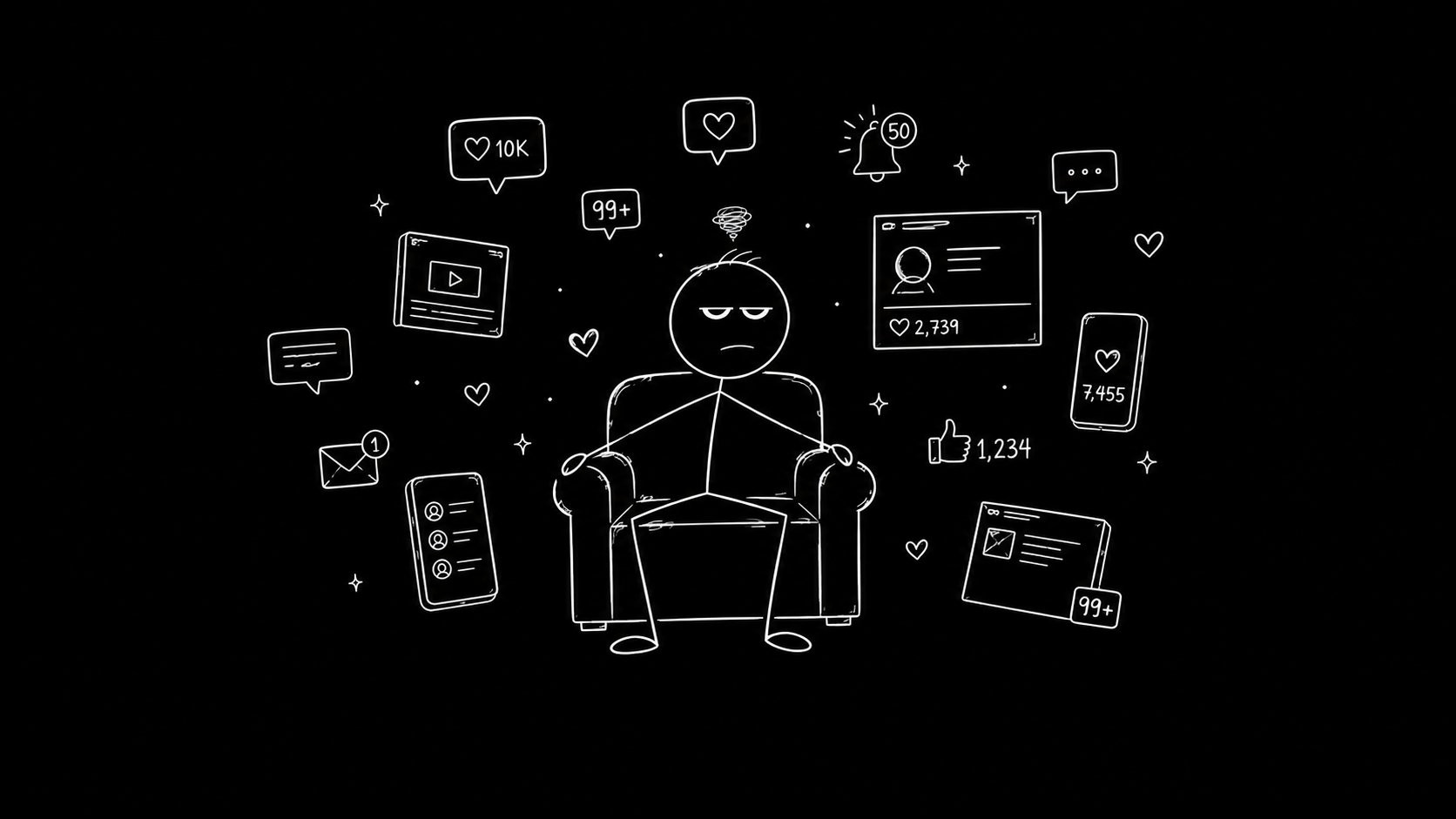
So you either get up and find a task, or you stay seated but cannot actually relax, scrolling your phone with one eye on the mental list of everything you are not doing. Either way, you do not rest. You just feel bad in a chair.
Rest guilt is learned, not natural
Babies do not feel guilty for resting. Neither do animals. The guilt you feel is not some natural law of the universe. It was installed. Somewhere along the way, you learned that your value is tied to your output. That being useful is the price of being acceptable. That stopping, even briefly, means falling behind or letting someone down.
For a lot of people this started in childhood. Maybe you were praised for achievement and ignored otherwise. Maybe rest in your house was framed as laziness. Maybe you watched a parent who never stopped and absorbed the belief that stopping is what irresponsible people do. However it happened, you came to equate doing nothing with being nothing.
The productivity trap
Modern culture made it worse. We turned rest into something you have to earn. You can relax once the inbox is empty, once the list is done, once you have been productive enough to deserve it. But the inbox is never empty and the list is never done, so the permission to rest never actually arrives. You are always one task short of being allowed to stop.
This is how people end up exhausted and still guilty. Their body is begging for recovery, and their mind is refusing to grant it because the conditions for deserving rest were never met.
What the guilt is actually protecting
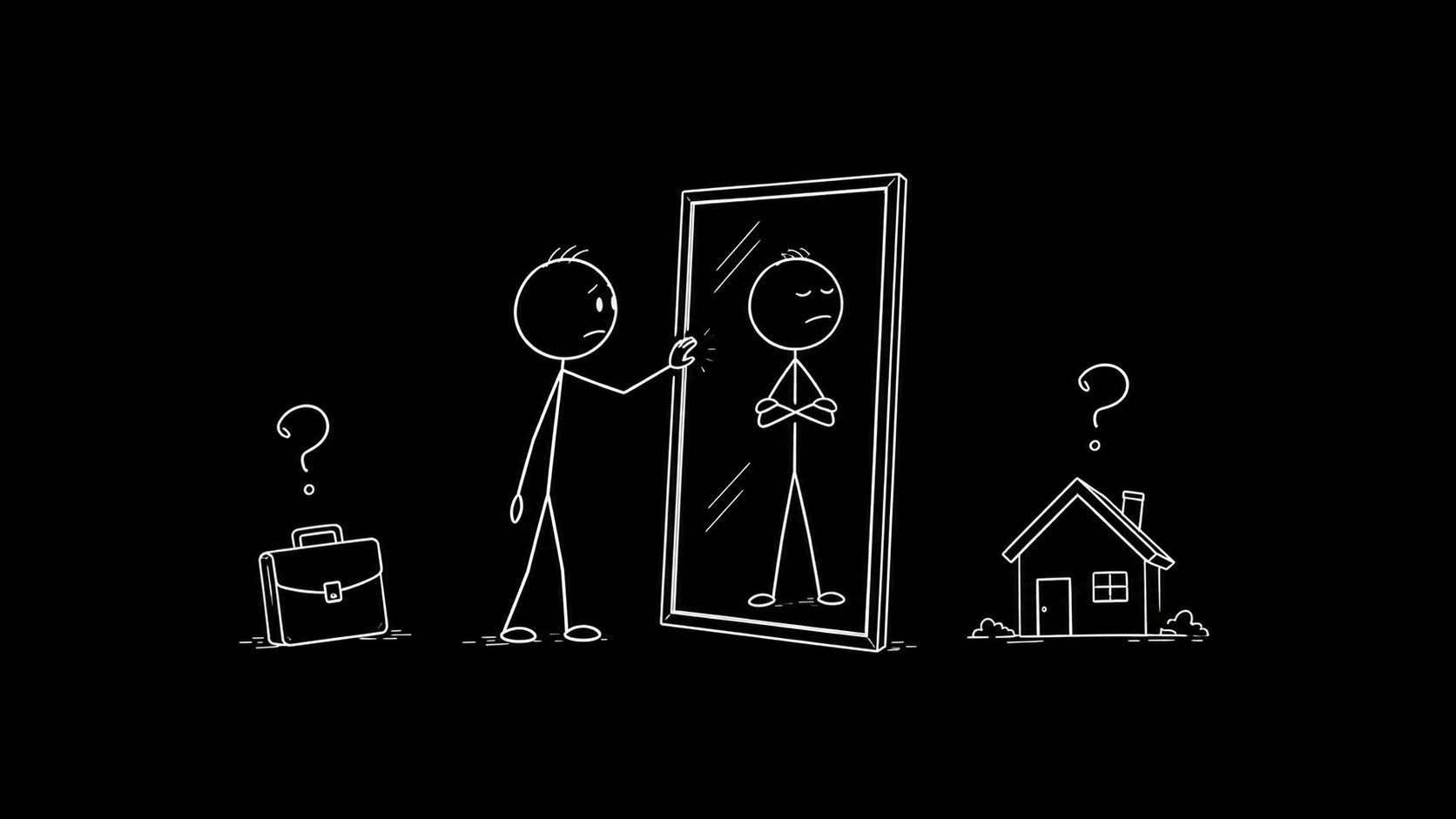
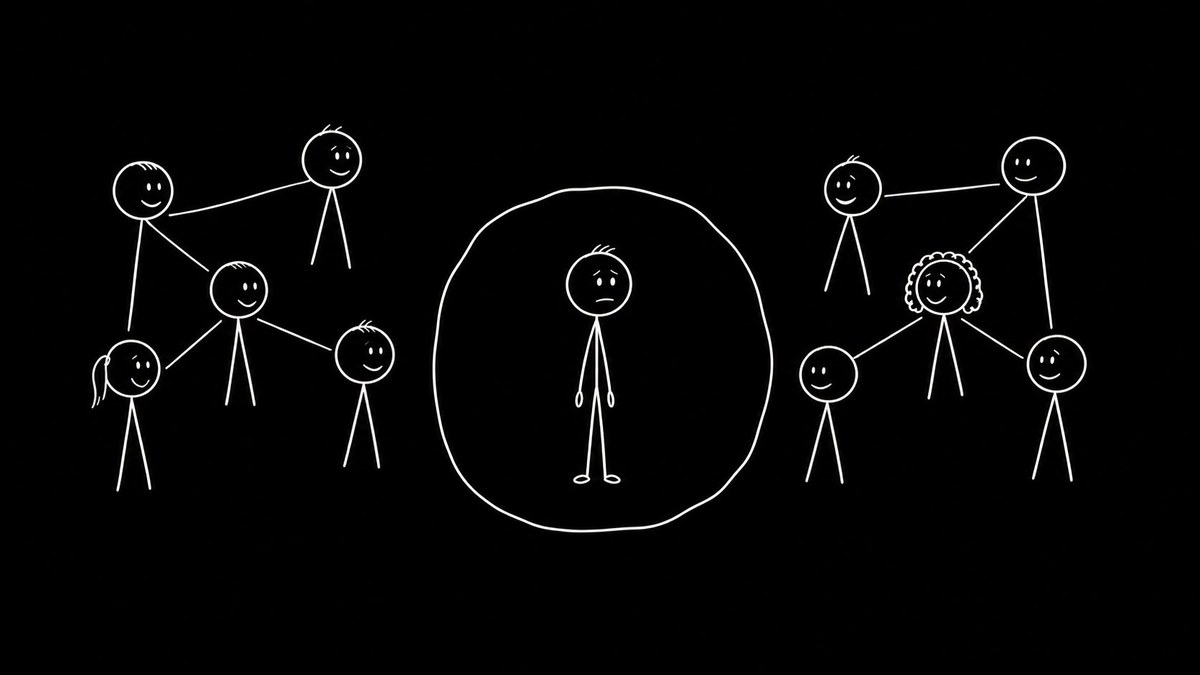
Underneath rest guilt is usually a fear. A fear that if you stop, you will be seen as lazy. That if you are not producing, you are not valuable. That your worth is conditional and rest puts it at risk. The guilt is trying to keep you safe from that judgment by keeping you busy.
But the judgment you are afraid of is almost always your own. Most people around you are not tracking your productivity. The harsh voice measuring your worth by your output is coming from inside, and it learned to talk that way a long time ago.
How to rest without earning it
The shift that actually helps is to stop treating rest as a reward and start treating it as a requirement. You do not earn sleep. You do not earn food. Rest belongs in the same category. It is maintenance, not indulgence. A body that does not rest breaks down, the same way a phone that never charges dies.
Practically, this means resting before you have finished everything, because you never will. It means letting the guilt come up without obeying it. The guilt will say get up, do something, you are being lazy. You can hear it and stay seated anyway. Each time you do, you teach your nervous system that rest does not lead to catastrophe. The guilt gets quieter, not because you argued with it, but because you stopped letting it run the show.
You are allowed to rest simply because you are tired. That is the whole reason. It was always enough.
If rest feels impossible because your body will not switch off, Regulate Your F*cking Nervous System and The Silent Burnout go deeper into why, and what actually helps.
Marieme Seck is the author of self-help audiobooks available on Spotify and 30+ platforms worldwide.