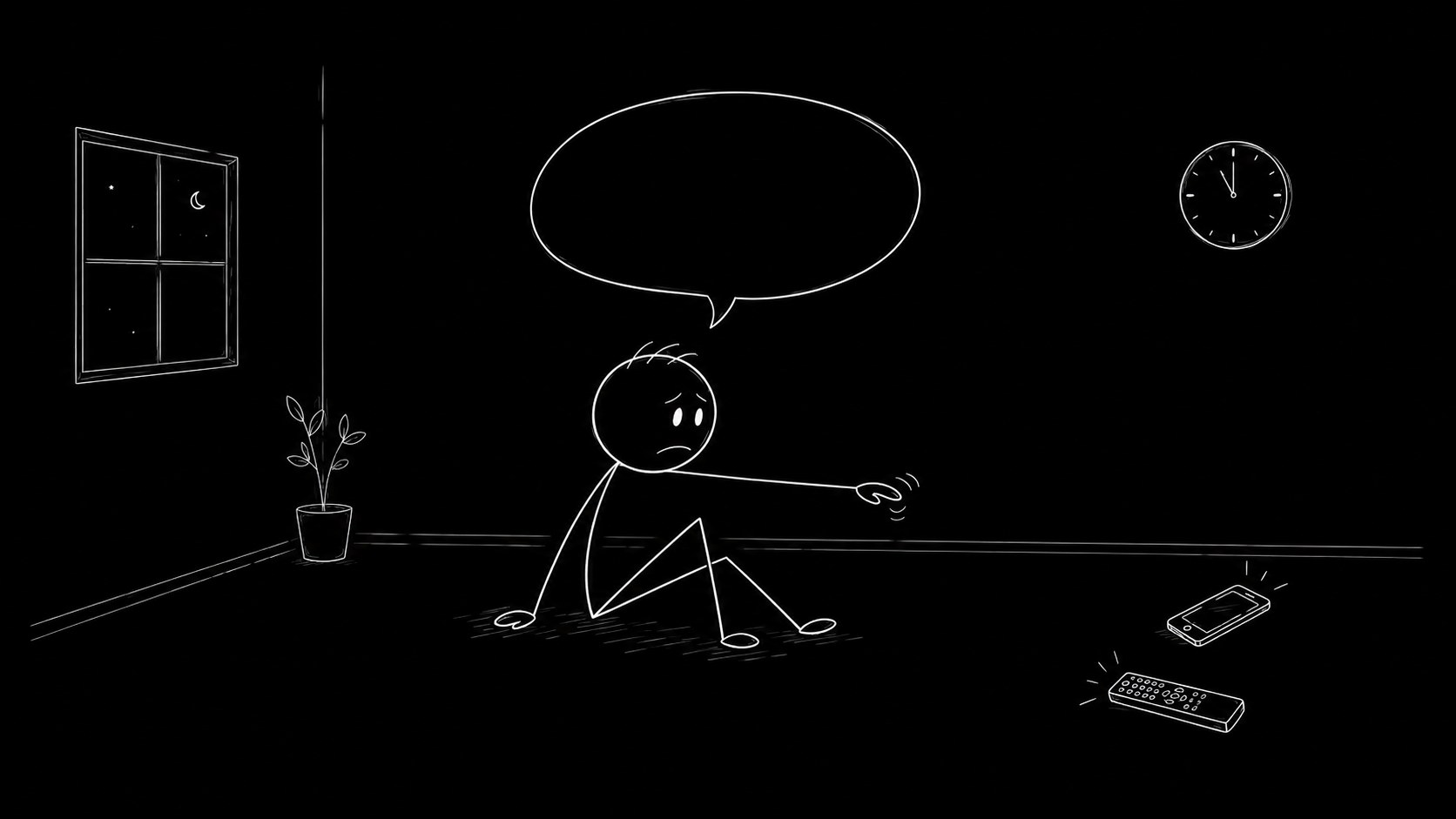
The moment it goes quiet, you reach for something. The TV goes on the second you walk in. The podcast starts before you have both earbuds in. The silence in the car gets filled instantly. You do it without thinking, this reflexive reach for sound, and if you ever find yourself in true silence with nothing to fill it, a strange discomfort creeps in almost immediately.
You tell yourself you just like background noise. And maybe you do. But there is a difference between enjoying sound and being unable to tolerate its absence. If quiet makes you restless, uneasy, itchy to escape, the noise is not entertainment. It is avoidance. The real question is what you are avoiding.
Silence is not empty
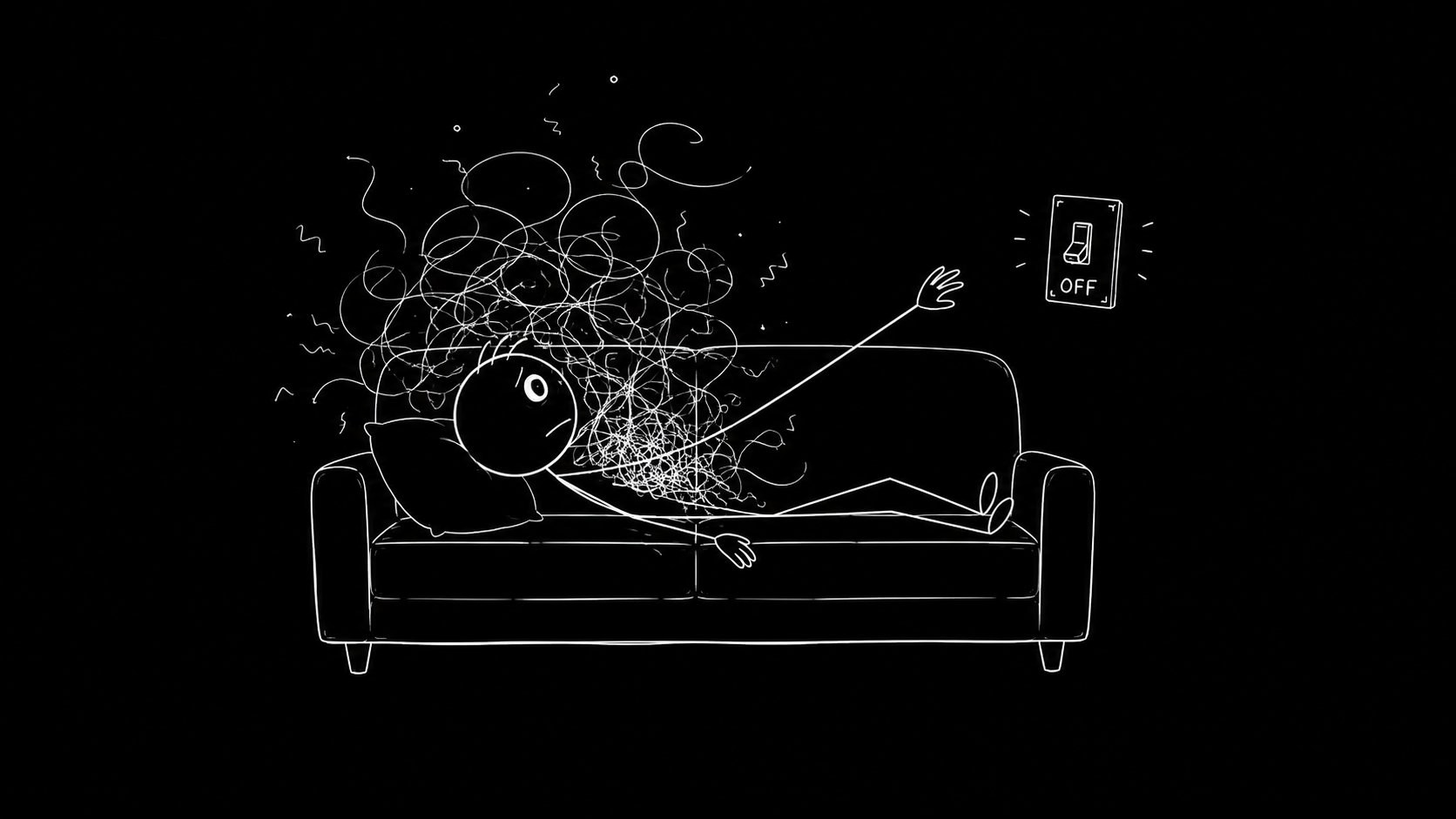
Here is the thing about silence. It is not actually empty. When you remove the noise, something rushes in to fill the space, and that something is your own mind. The thoughts you have been outrunning. The feelings you have not had time to feel. The questions you keep too busy to ask. Silence is uncomfortable not because there is nothing there, but because there is everything there, and you have been using noise to keep the lid on it.
This is why people who are avoiding something are often the most compulsive fillers of silence. The quiet is where the avoided thing lives, and going quiet means finally being alone with it.
What the noise is holding back
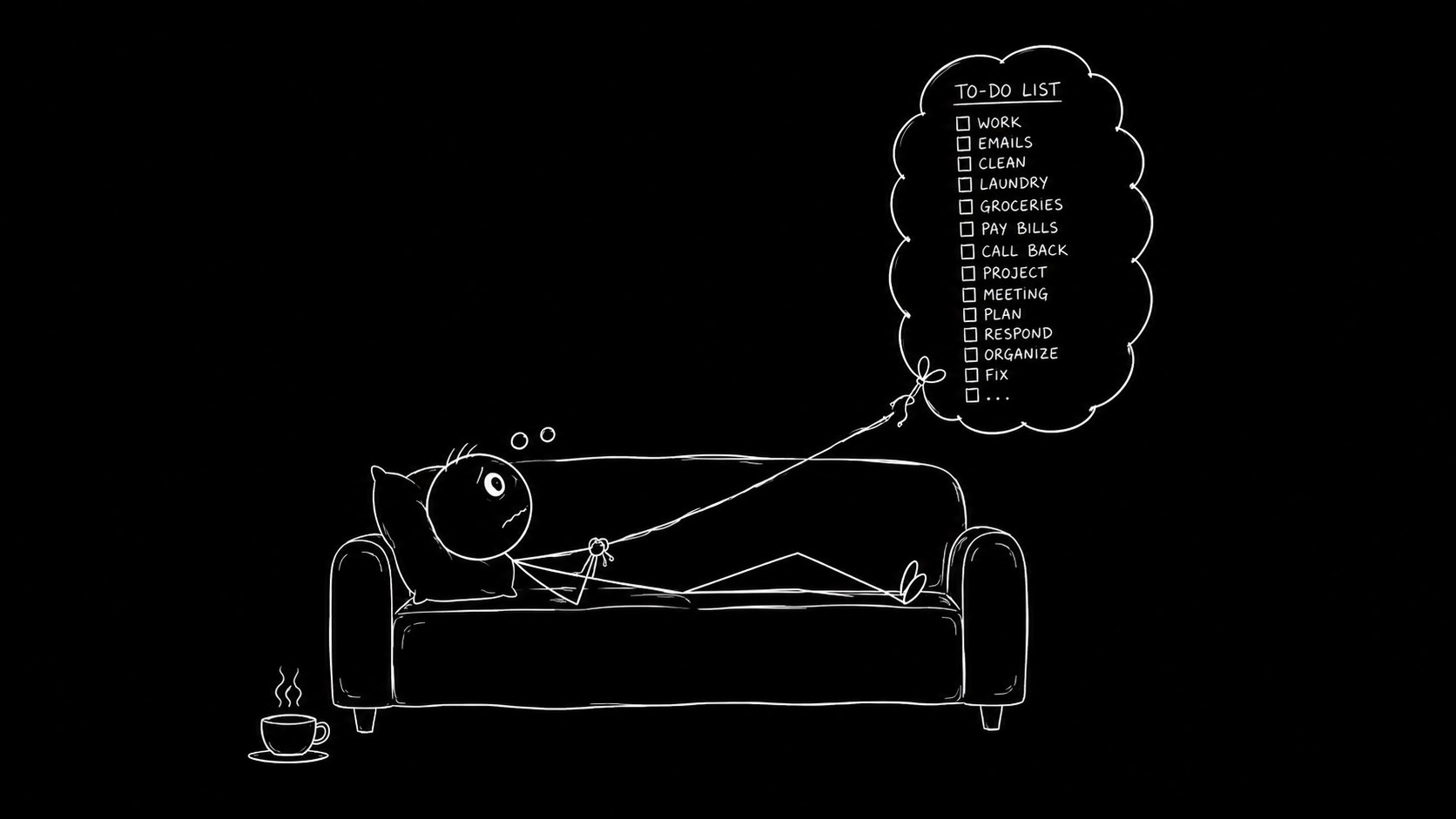
For different people it is different things. Sometimes it is grief that never got processed, waiting in the stillness. Sometimes it is a truth about your life you are not ready to look at, a relationship that is not working, a path that is not yours, a question about whether you are actually happy. Sometimes it is just the accumulated emotional residue of a life lived too fast to digest, and the moment you stop moving, it catches up.
The noise works. That is why you reach for it. It genuinely keeps the harder material at bay. But it also means you never actually process any of it, so it never resolves. It just waits, getting louder under the surface, requiring more and more noise to drown out.
The nervous system angle
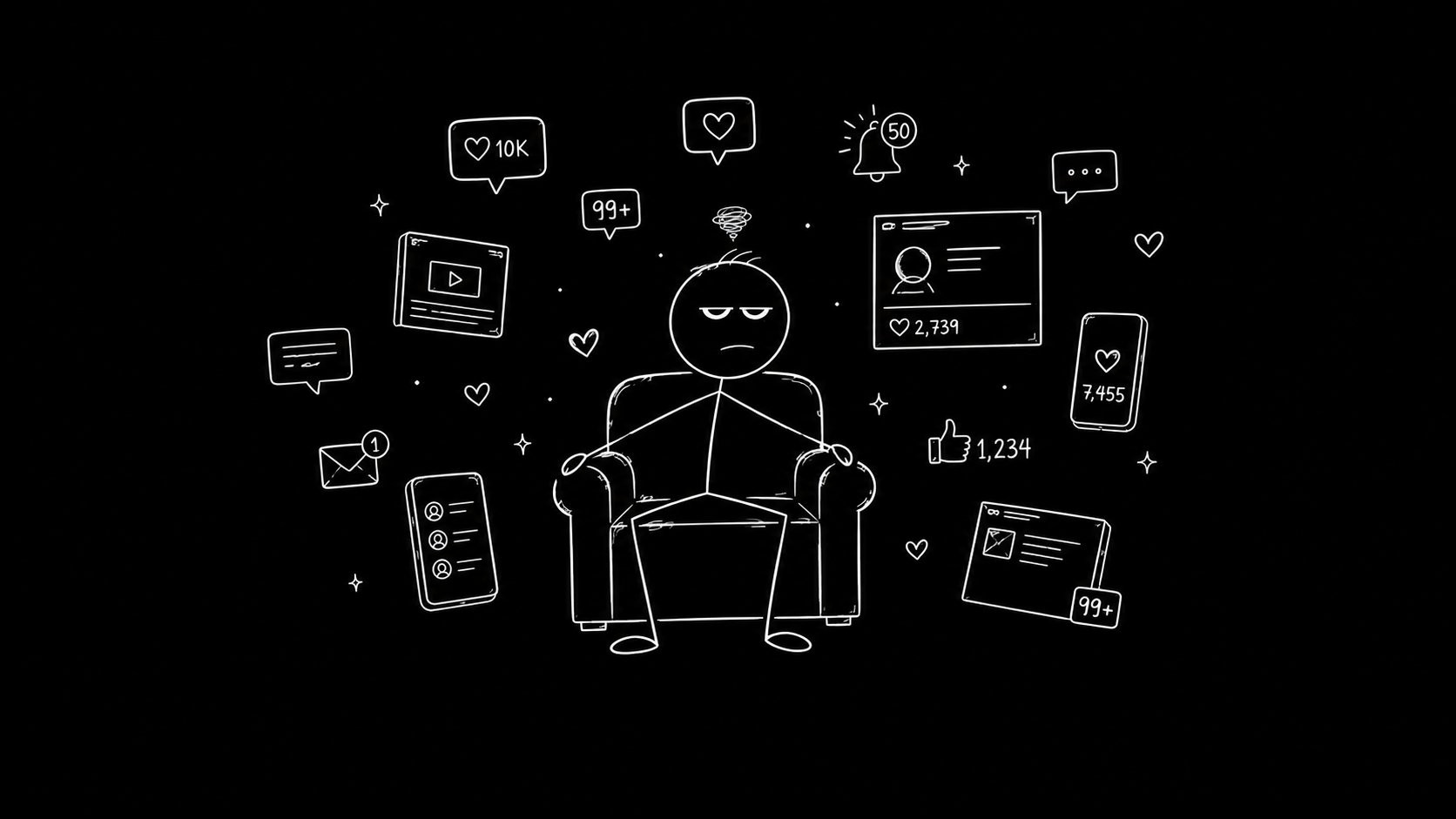
There is also a physical layer to this. A nervous system used to constant input can come to treat stillness itself as a threat. If you have spent years in near-constant stimulation, quiet registers as something being wrong. Your body has forgotten what unstimulated feels like, so it reads the absence of input as danger and pushes you to fix it with more input.
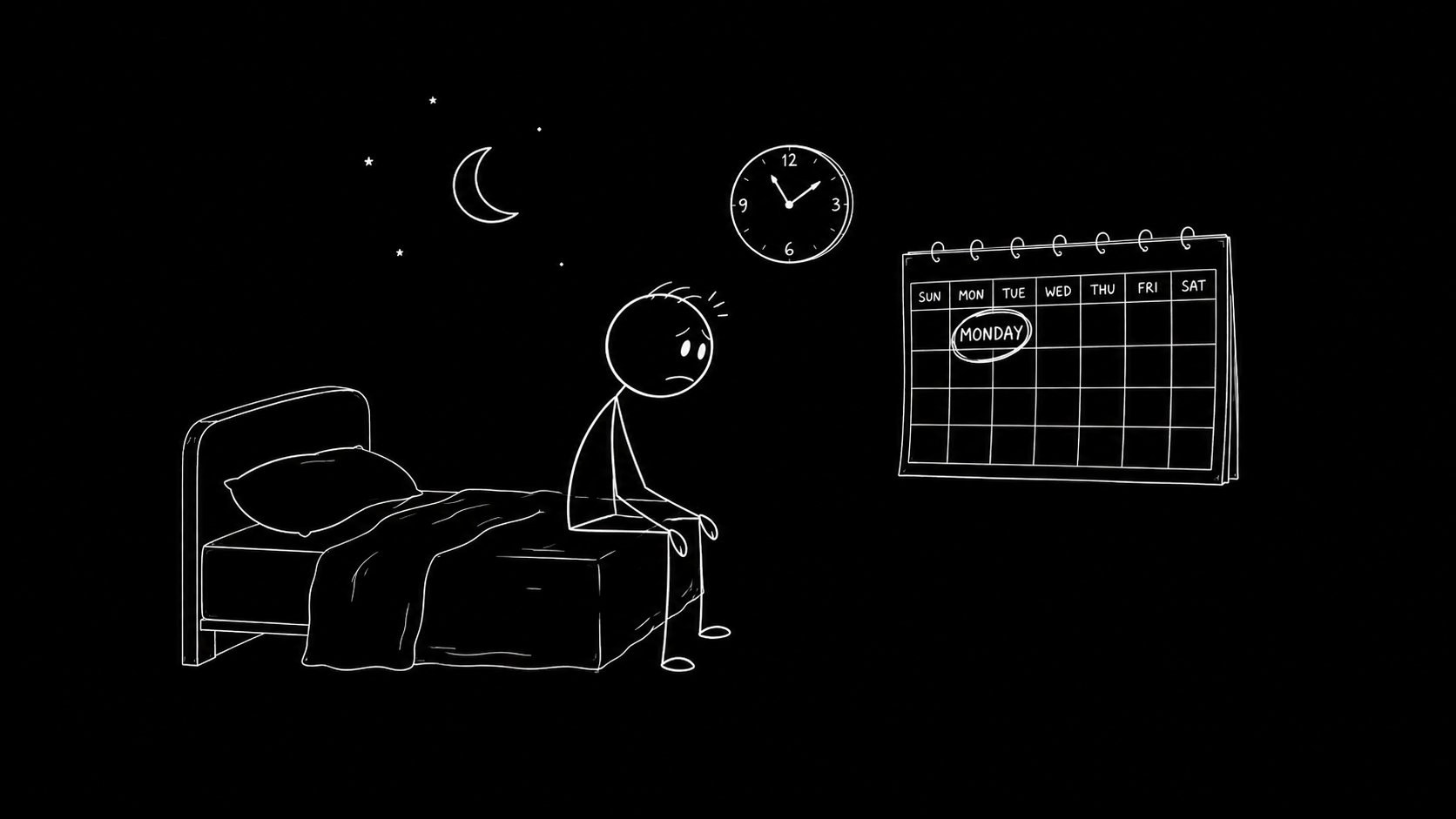
This is the same loop that makes rest feel impossible and boredom feel unbearable. The system has been trained to need noise, and it protests when the noise stops, not because anything is wrong, but because it has forgotten how to be still.
Learning to stay in the quiet
You do not fix this by forcing yourself into hours of silence and white-knuckling through it. You do it the way you rebuild any tolerance, in small doses. A few minutes of quiet without reaching for your phone. A short drive without the podcast. A walk with nothing in your ears. Let the discomfort rise, and instead of escaping it, just notice it. Notice what thoughts show up when there is finally room for them.
At first it will feel unbearable, and the thoughts that surface may be exactly the ones you have been avoiding. That is not a sign to stop. That is the whole point. The things that come up in the quiet are the things asking to be dealt with. Sitting with them, even briefly, is how they finally start to loosen.
Silence is not your enemy. It is just the room where everything you have been outrunning is waiting. And the only way it stops being frightening is to walk in, a little at a time, and discover you can handle what is in there.
If quiet leaves you restless and on edge, Regulate Your F*cking Nervous System and Nothing Feels Good Anymore go into why, and how to come back to stillness.
Marieme Seck is the author of self-help audiobooks available on Spotify and 30+ platforms worldwide.