What is anxious attachment?
Also called anxious-preoccupied attachment, this style combines high attachment anxiety with low avoidance. You want closeness and you are comfortable with it; what hurts is the fear of losing it. Your attention is often focused on the relationship, scanning for signs that something is wrong.
This is not neediness or weakness. It is a learned survival strategy: staying hyper-alert to the people you depend on once helped you keep their care.
10 signs of anxious attachment
- You need frequent reassurance that you are loved.
- You overanalyze texts, tone and silences.
- You fear that you care more than your partner does.
- Distance makes you try harder to get close, even when it backfires.
- You struggle to calm down until a conflict is resolved.
- You may lose yourself in a relationship and neglect your own life.
- Your body reacts first: tight chest, racing thoughts, trouble sleeping.
- You stay in relationships that hurt because leaving feels unbearable.
- You feel anxious when a partner needs space.
- Being single can feel like a sign that something is wrong with you.
Anxious attachment in relationships
In love, anxiously attached people are attentive, generous and emotionally present. Partners rarely doubt that they care. The challenge is that the fear of abandonment can lead to protest behaviors: calling repeatedly, testing, withdrawing to provoke a reaction, or giving so much that resentment builds.
Anxious attachment often collides with avoidant attachment in what is called the anxious-avoidant trap: the more one partner reaches, the more the other retreats, and both feel confirmed in their fears. Recognizing the pattern is the first step out of it.
Where it comes from
Anxious attachment often develops when care felt inconsistent: warm and available one day, distracted or unavailable the next. A child in that situation learns to watch closely and to amplify their signals to stay connected. Later experiences, such as unfaithful partners or chaotic relationships, can reinforce it.
How to heal anxious attachment
- Regulate first, then communicate. A slow exhale before a message changes the message.
- Separate facts ("they have not replied") from stories ("they are losing interest").
- Name your need directly instead of using protest behavior.
- Choose partners who are consistent, even if they feel less exciting.
- Build a life that does not orbit one person: friends, routines, goals.
- Practice self-soothing rituals you can use at 2 a.m.
- Consider therapy, especially attachment-focused or somatic approaches.
Where anxious sits on the map
Adult attachment research describes two dimensions: attachment anxiety (how much you fear abandonment) and attachment avoidance (how uncomfortable you are with closeness). Anxious attachment combines high anxiety and low avoidance.
Most people are not pure types. Your scores can sit near a boundary, and your style can differ from one relationship to another. That is why the Inner Map test shows both percentages, not only a label.
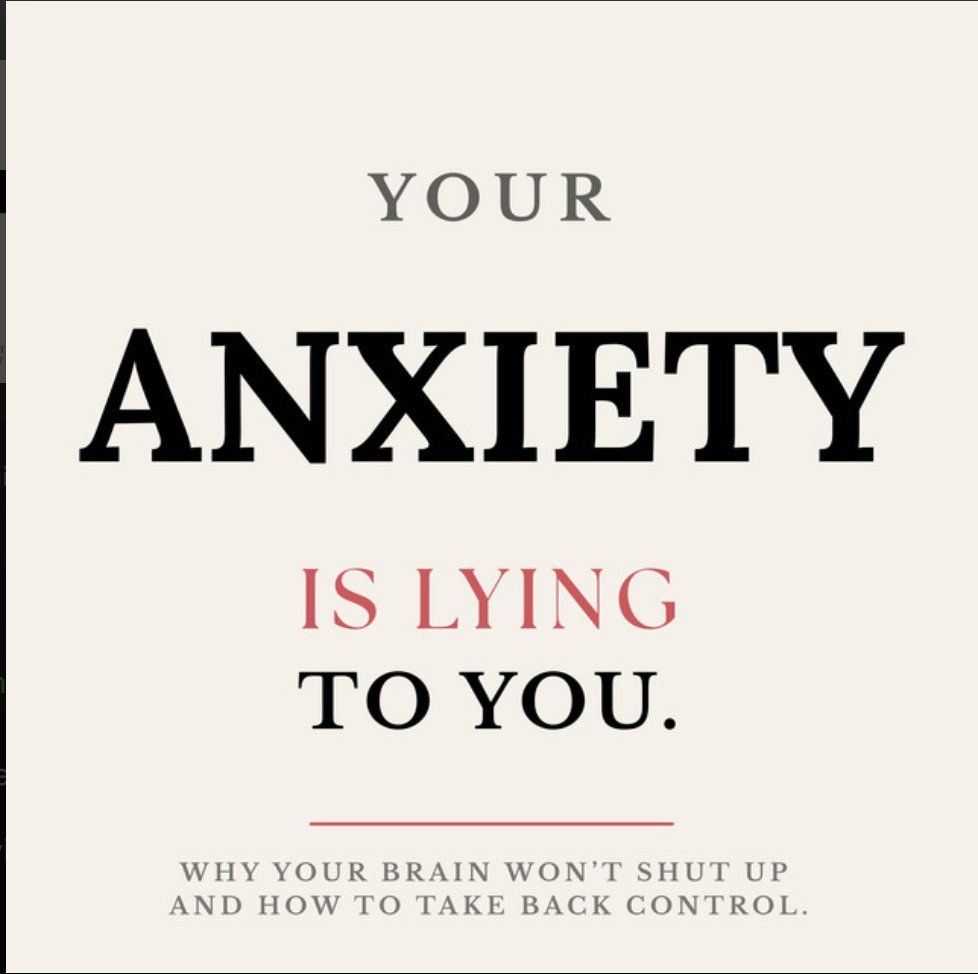
A free audiobook for you
Frequently asked questions
Is anxious attachment a disorder?
No. Attachment styles are patterns, not diagnoses. Anxious attachment is common and it can shift toward security with awareness and support.
Why do anxious and avoidant people attract each other?
Each confirms the other's familiar story: the anxious partner feels the familiar chase, the avoidant partner feels the familiar pressure. The intensity is often mistaken for chemistry.
Can anxious attachment change?
Yes. Secure relationships, therapy and nervous system regulation are all associated with movement toward security over time.
What triggers anxious attachment?
Common triggers include slow replies, plans that change, a partner needing space, ambiguity about the relationship and any sign of emotional distance.