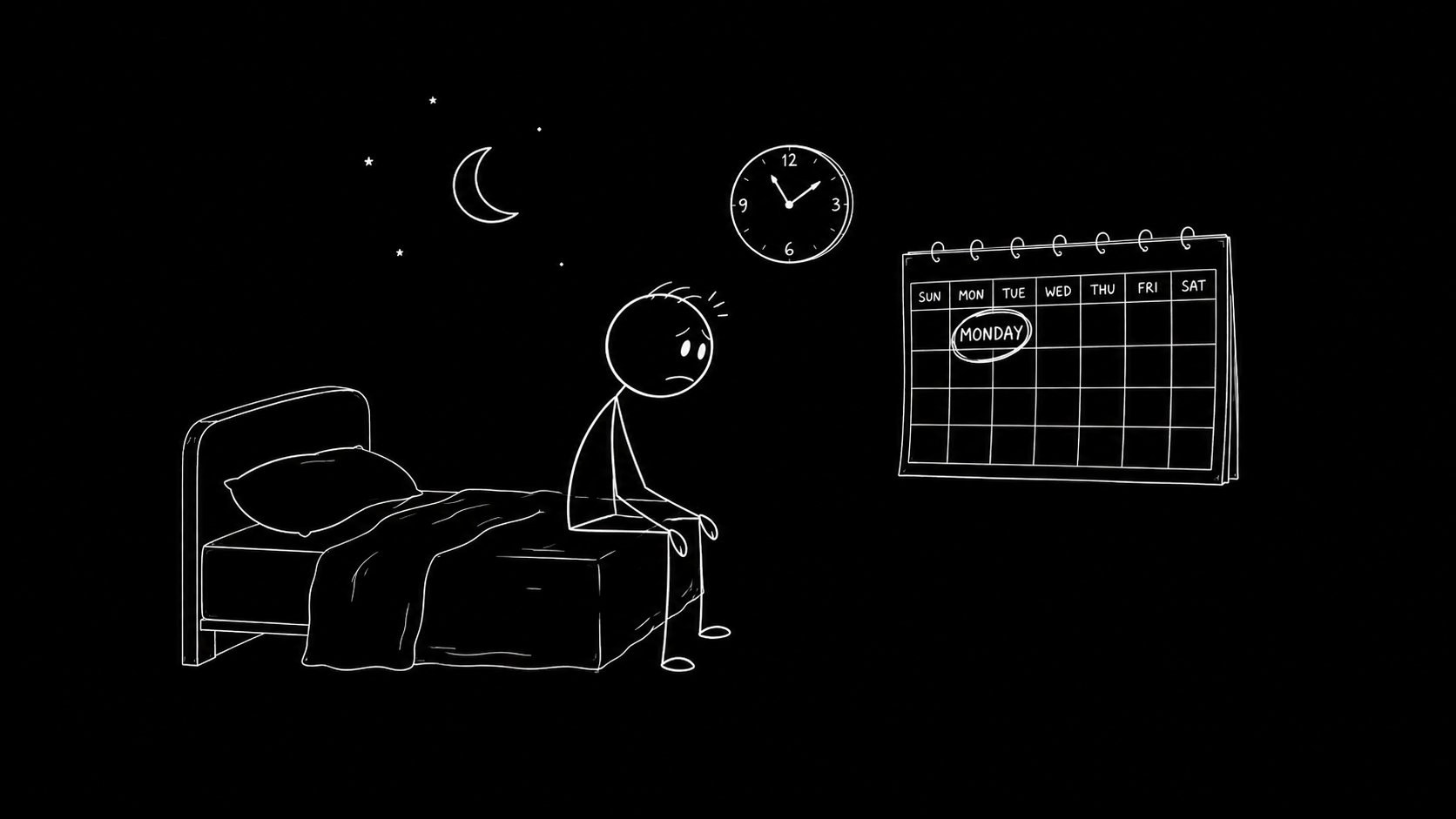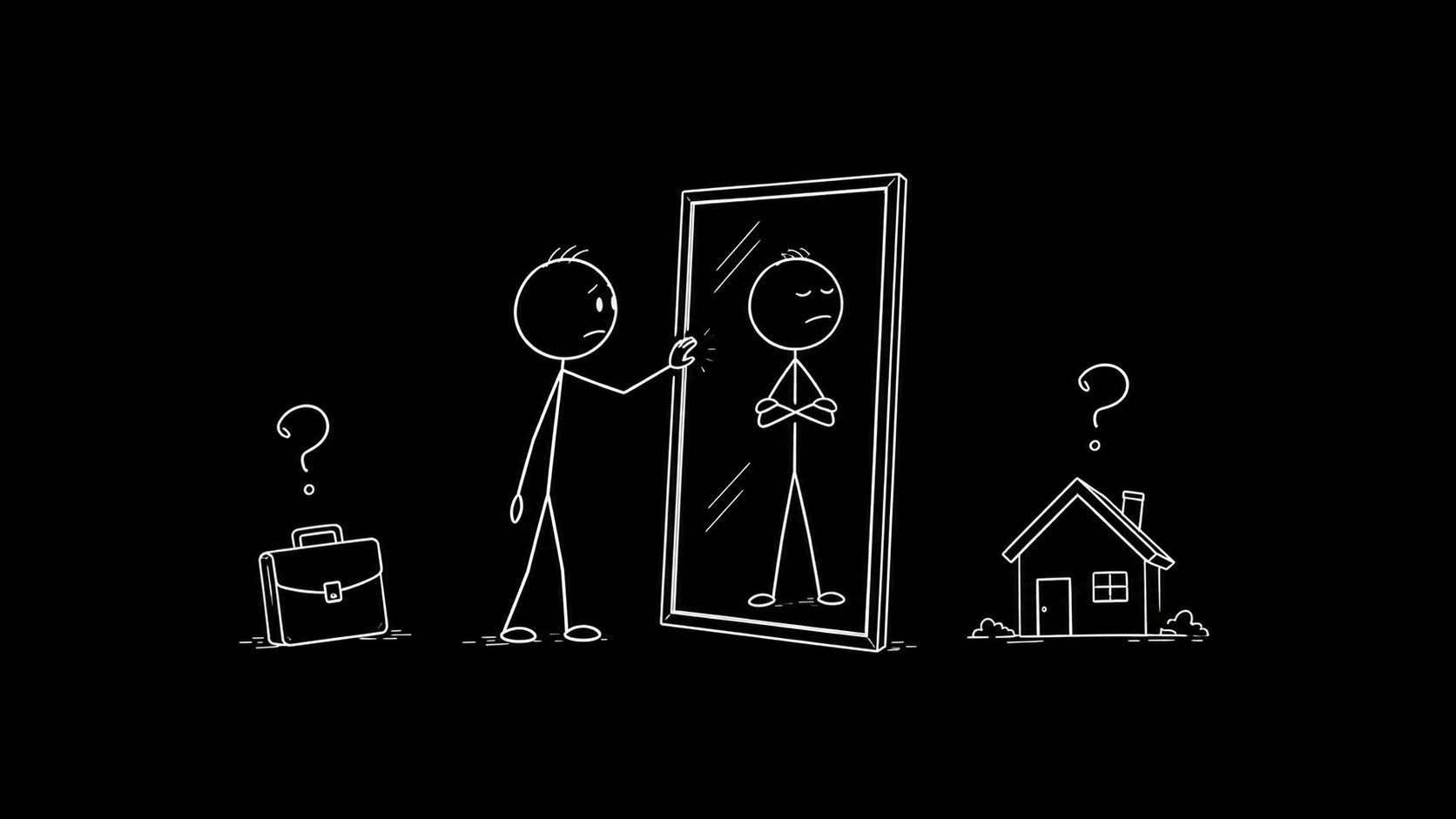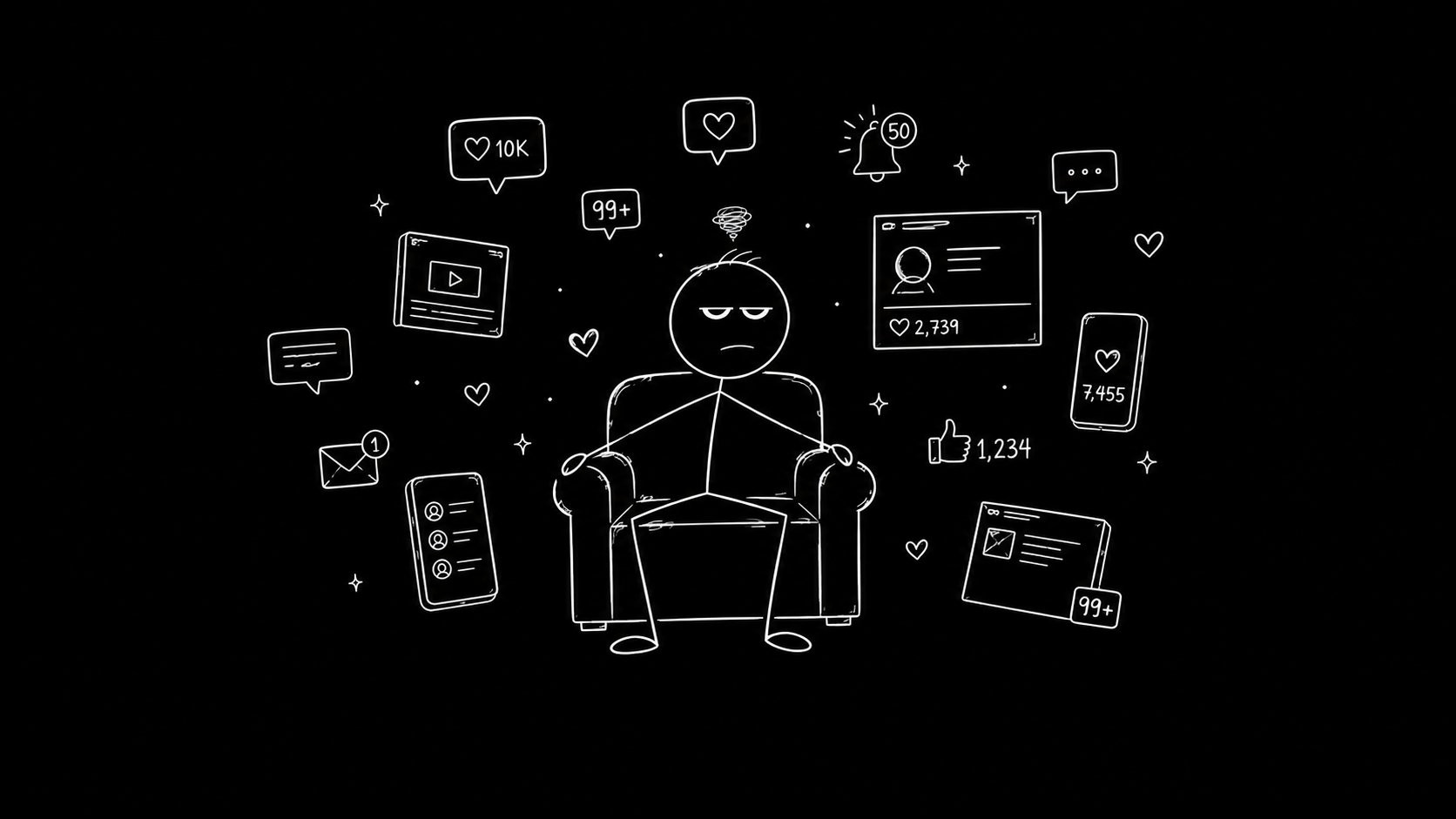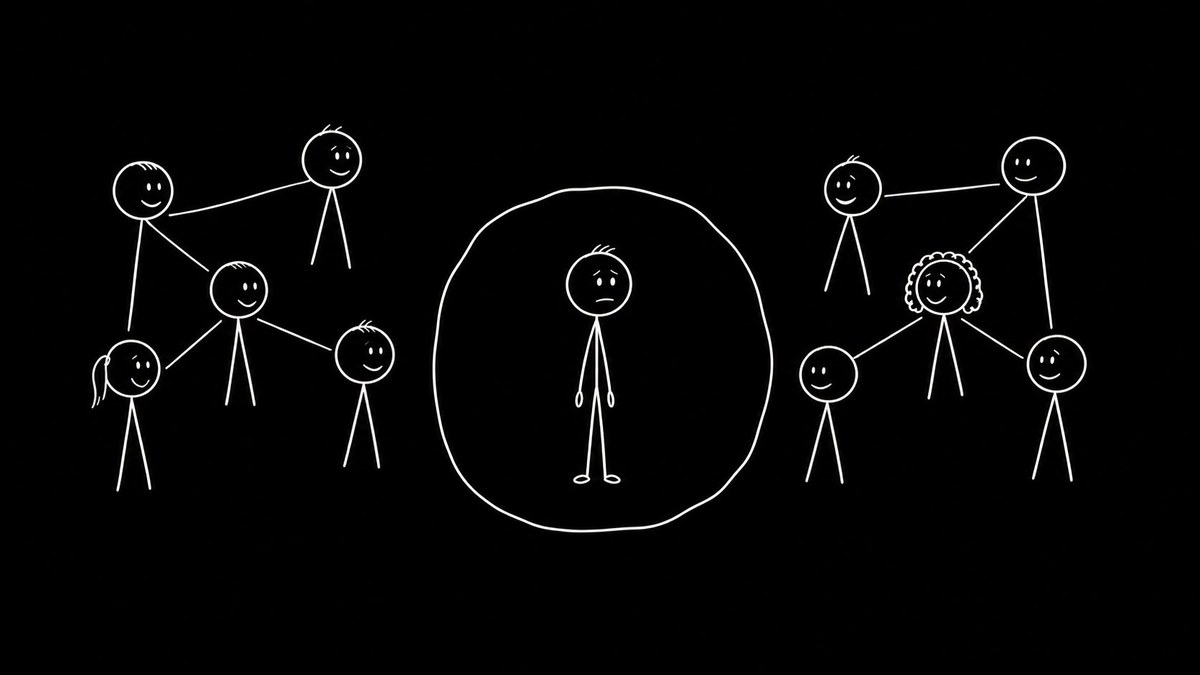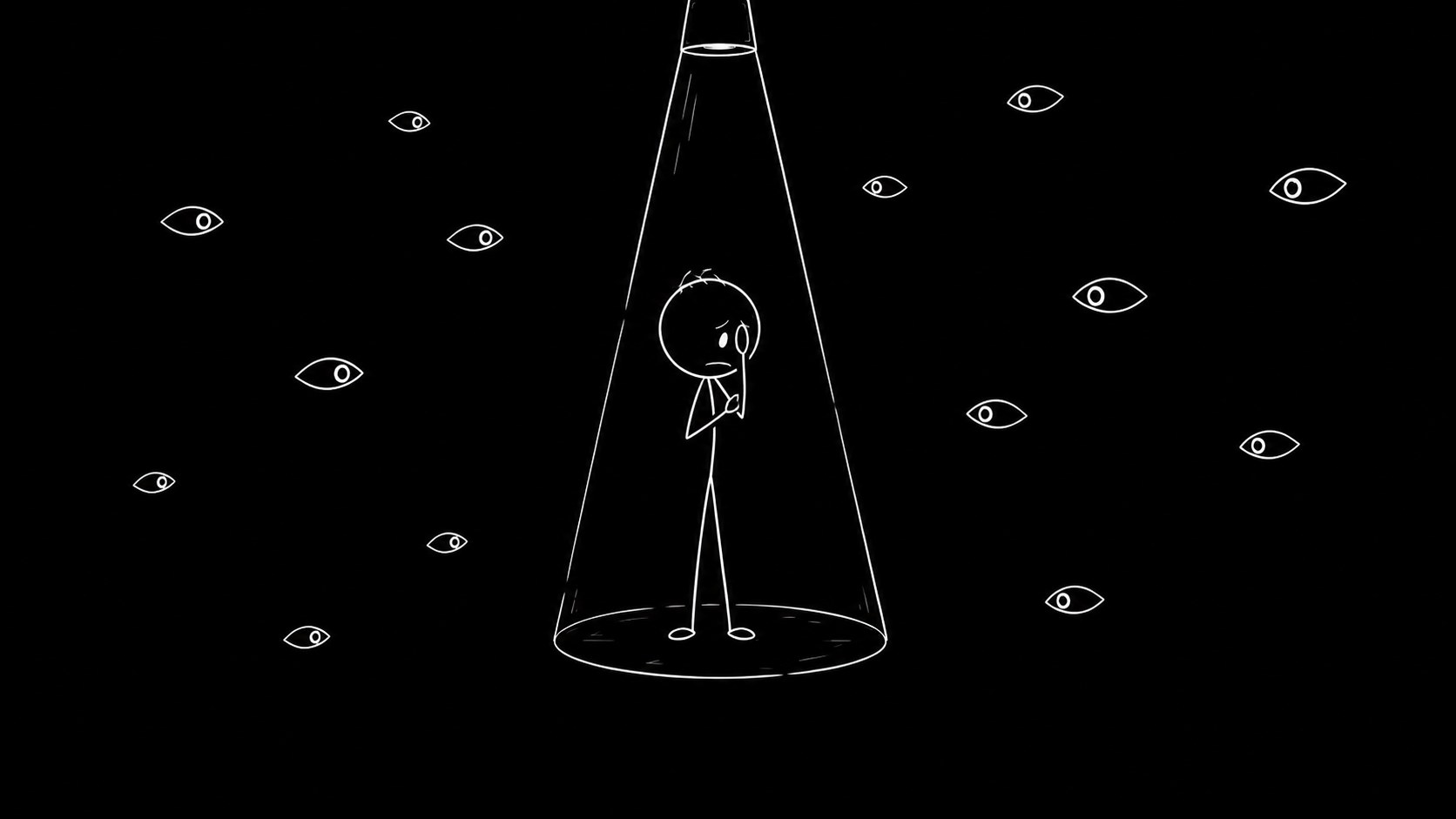
Someone compliments your outfit and you want to evaporate. A camera turns toward you and your face forgets how to work. You walk into a room and feel every glance land on your skin like something physical. It is not that anything bad is happening. People are being nice, even. And still, every part of you is screaming to disappear.
This has a name online now. The ick of being perceived. And while it gets treated as a quirky relatable joke, for a lot of people it is a real and exhausting way to move through the world.
Being perceived is not the same as being judged, but your body confuses them
Logically, attention is neutral. Someone noticing you is just information moving between two people. But if your nervous system learned somewhere that being noticed is dangerous, it does not treat attention as neutral. It treats it as a threat. And it responds the way it responds to any threat, by trying to make you smaller, quieter, gone.
The discomfort is not really about the attention in the present moment. It is about what attention used to mean.
Where it comes from
For a lot of people who hate being perceived, attention was once conditional or unsafe. Maybe you were only noticed when you did something wrong, so being seen became linked with being in trouble. Maybe you were praised so intensely for performance that attention came with pressure to keep delivering. Maybe you grew up in a family where standing out was risky, where the safest position was to not make waves and not be noticed.
In each case, you learned the same lesson: being seen comes with a cost. So you built a life around not being seen. You got good at blending in, deflecting compliments, staying just outside the spotlight. It worked. It kept you safe. And now, even when the attention is warm and harmless, your body runs the old program and wants out.
Why even good attention feels bad
This is the part that confuses people. It would make sense to flinch from criticism. But compliments? A compliment should feel good. Yet for many people it feels almost worse, because a compliment is attention with expectation attached. Now you have to respond correctly, live up to it, not let them down. The spotlight of praise is still a spotlight, and the spotlight itself is what your body cannot tolerate.
Coming back into visibility
You do not fix this by forcing yourself into the spotlight and white-knuckling through the panic. That just floods a system that is already overwhelmed. You do it gradually, by letting yourself be perceived in small, survivable doses and noticing that nothing bad happens.
Let one compliment land without deflecting it. Just say thank you and feel the discomfort without running from it. Stay in the room one beat longer than you want to. Post the thing, say the opinion, be slightly more visible than feels comfortable, and watch as the catastrophe you brace for does not come.
Over time, your nervous system updates. Being seen stops being an emergency. You start to understand that the attention was never the danger. The danger was old, and it is not here anymore. You are allowed to take up space. You always were.
If you spend a lot of energy managing how you come across, The Year I Stopped Pretending and Not Giving a F*ck Anymore are about putting that weight down.
Marieme Seck is the author of self-help audiobooks available on Spotify and 30+ platforms worldwide.