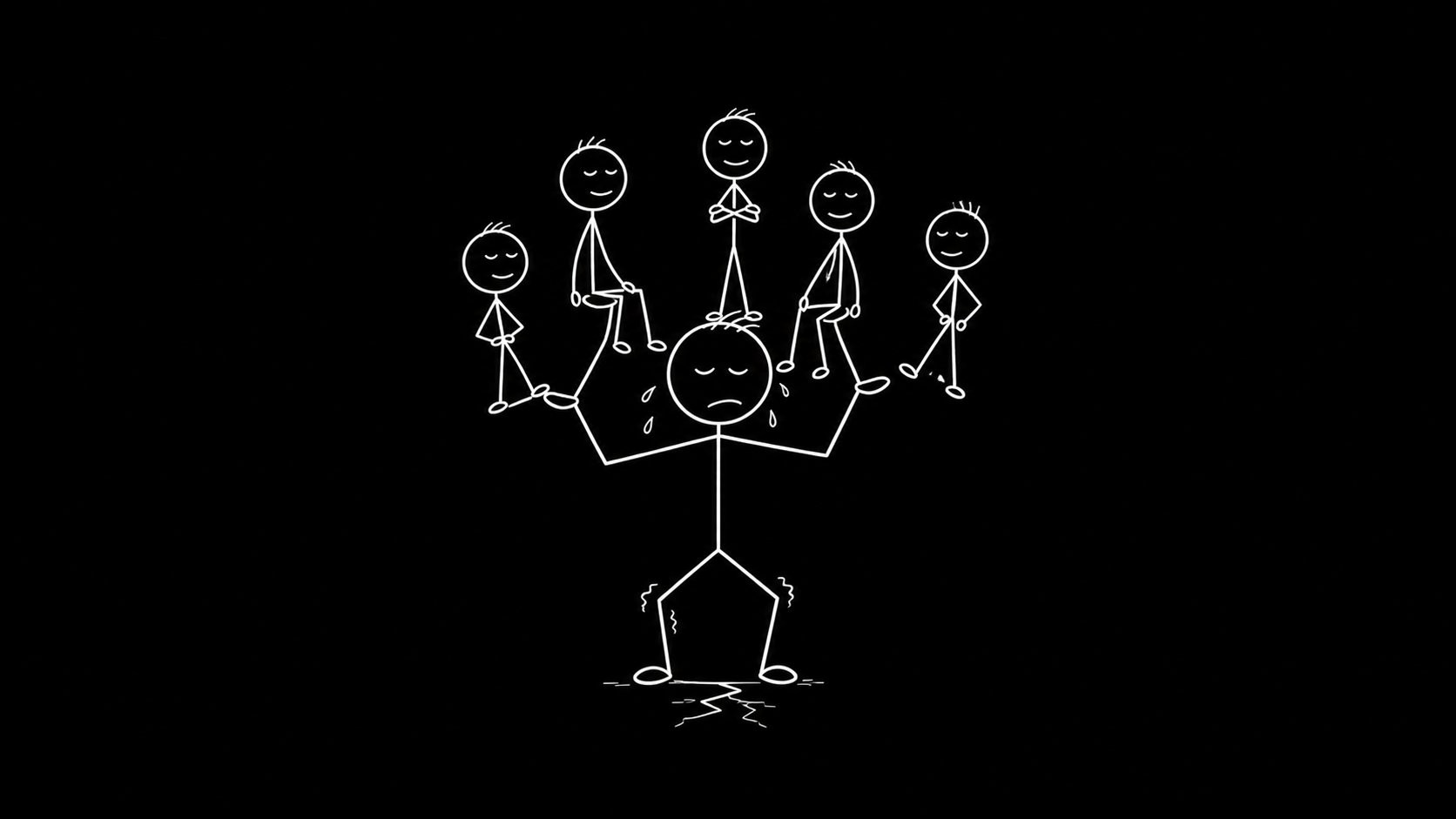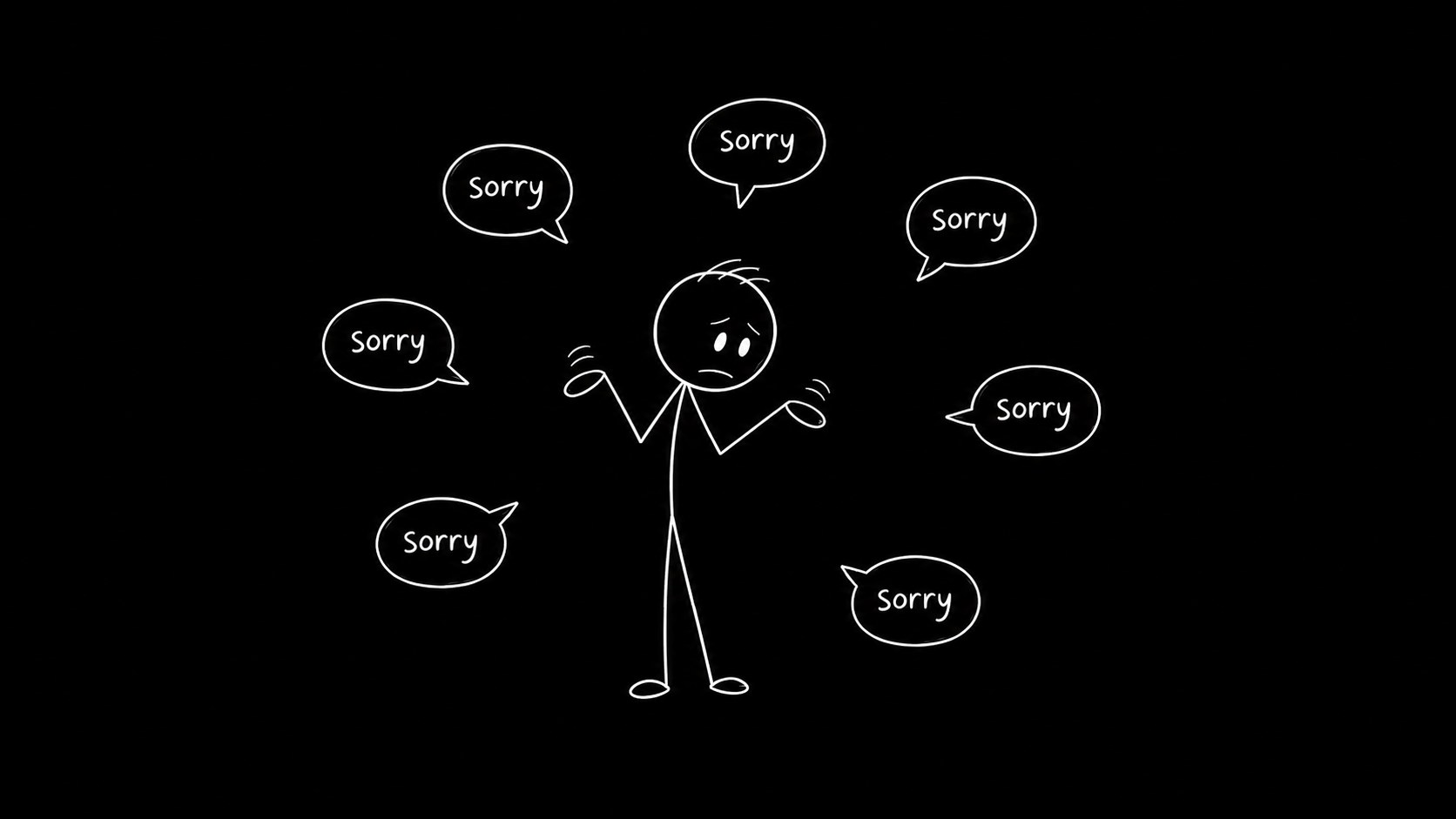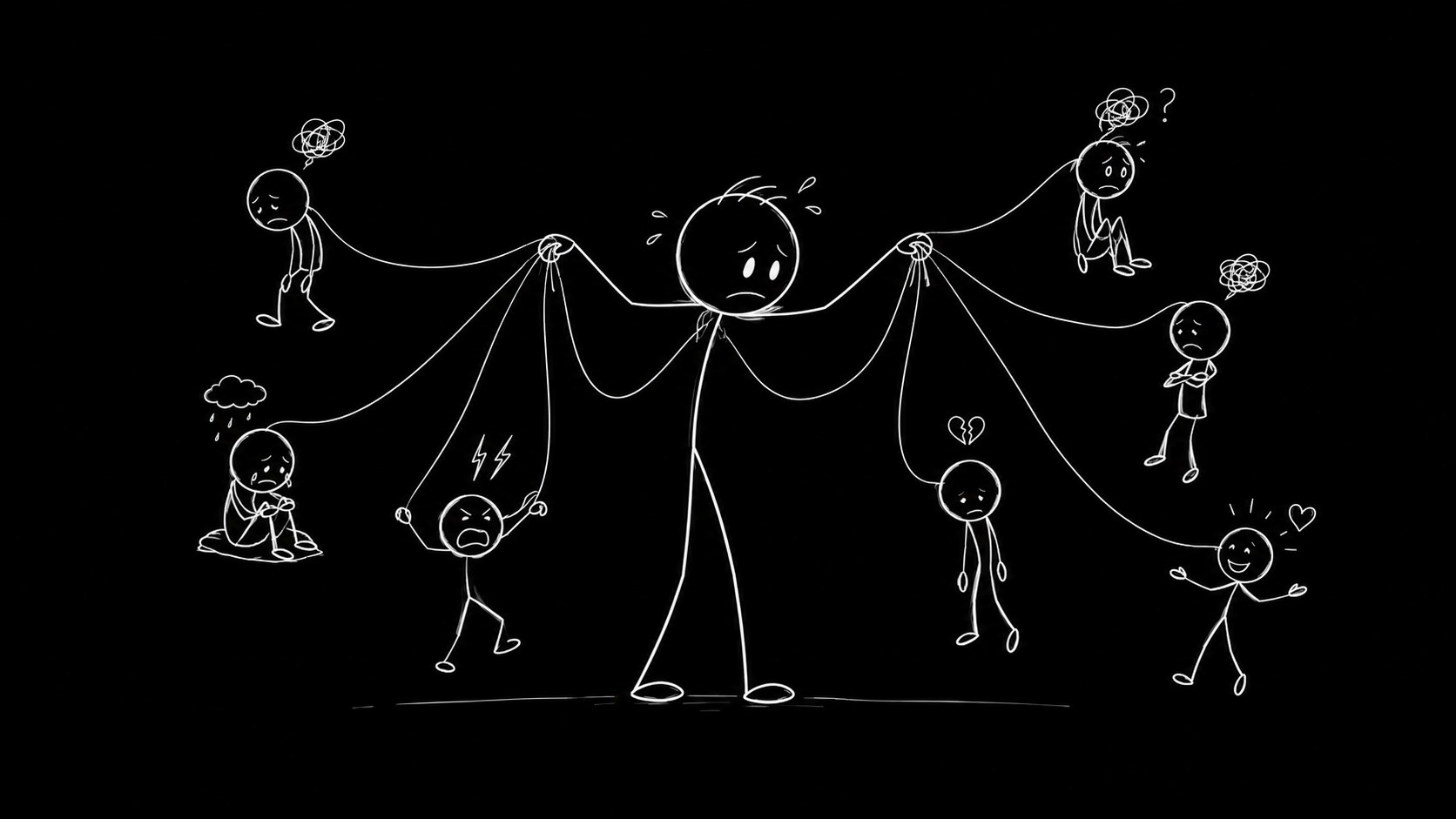
You can feel it the second you walk in. Who is tense, who is off, who went quiet, who needs something. And before you have even taken your coat off, you are already working, reading the room, softening an edge, filling a silence, quietly steering everyone back toward okay. You never volunteered for this. But you cannot seem to stop doing it, and when someone near you is unhappy, it registers in your body as something you have to fix.
This is emotional over-responsibility, and for the people who have it, it does not feel like a choice. It feels like the way the world simply is. Other people's feelings are your jurisdiction. If someone is upset, you must have done something, or you must be able to do something. Their mood becomes your project.
Where it starts
Almost nobody is born this way. It is learned, usually early, usually in an environment where someone else's emotions were big, unpredictable, or unsafe. Maybe you grew up managing a parent whose mood set the temperature of the whole house. You learned to read the smallest signs, to adjust yourself in advance, to keep the peace before it could break. That was not oversensitivity. It was intelligence. It kept you safe.
The problem is that the skill does not switch off when you leave. You carry it into friendships, relationships, workplaces, into rooms full of perfectly stable people who do not need managing. Your system still scans for danger in every mood, and still believes that if you can just keep everyone okay, you will be okay too.
Caring versus carrying
There is a line, and over-responsible people cannot find it, between caring about someone and being responsible for them. Caring means you notice, you support, you show up. Being responsible means you believe their feelings are yours to fix, and that if they stay upset, you have failed. The first is love. The second is a burden nobody asked you to carry, and it does not actually help the people you aim it at.
Because when you rush to manage someone's emotion, you quietly take it away from them. You rob them of the chance to feel it, sit with it, and handle it themselves. You are not helping them cope. You are coping for them, and teaching yourself, again, that your job is to absorb whatever the room is feeling.
What it costs you
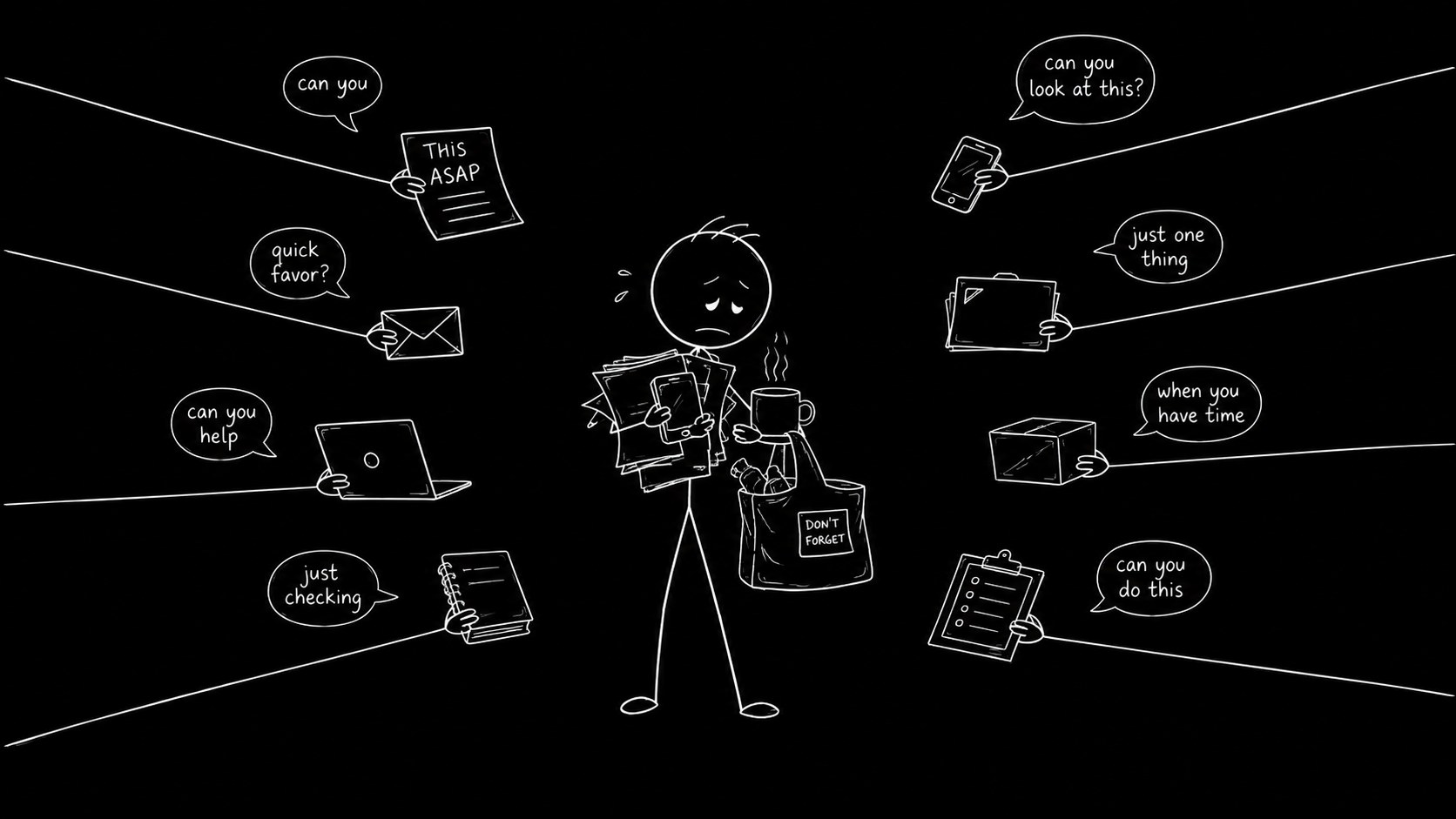
Living this way means you are never fully off duty. You cannot simply be in a room, because part of you is always working it. Your own feelings get pushed down, because there is no space for them while you are holding everyone else's. And you end up surrounded by people who have learned that you will manage the discomfort, so they never have to, which leaves you more alone in it, not less.
Putting it down
The shift begins with a single, uncomfortable practice: letting someone be upset without fixing it. Someone near you is in a bad mood, and you do nothing. You do not smooth it, explain it, or take it on. You let it be theirs. It will feel almost unbearable at first, because the old alarm will scream that you have to act. You sit through the alarm anyway, and you watch what happens, which is usually nothing. The person handles their own feeling. The room does not fall apart.
Each time you do this, you teach your nervous system a new truth: other people's emotions are not emergencies, and not yours to carry. You can love people, deeply, and still let them own what they feel. That is not coldness. It is the difference between being close to someone and being responsible for them. You were never meant to hold all of it. You just learned to, a long time ago, and you are allowed to set it down now.
If you are worn out from carrying everyone else, Leave Me Alone and Not Giving a F*ck Anymore are about putting down what was never yours to hold.
Marieme Seck is the author of self-help audiobooks available on Spotify and 30+ platforms worldwide.