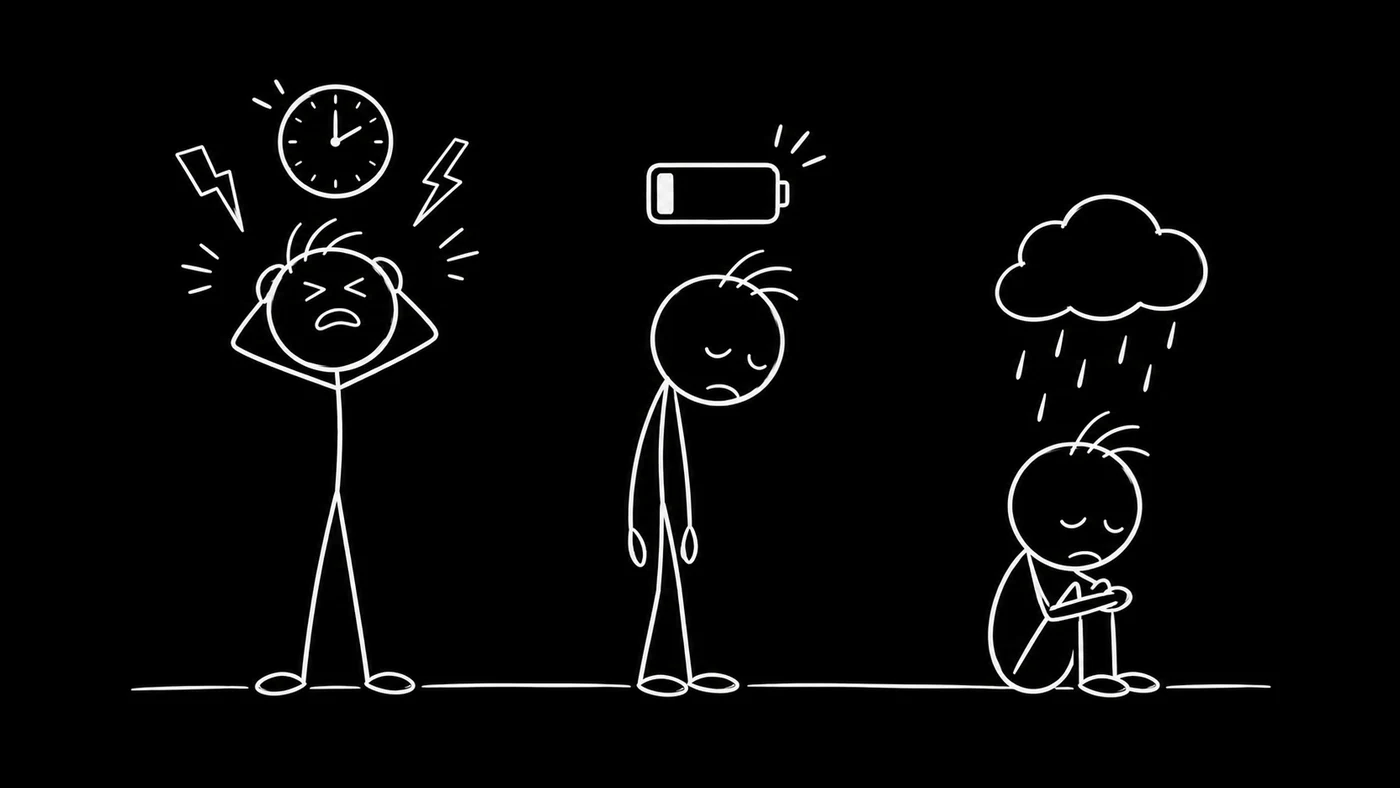
You are tired in a way sleep does not fix. Things that used to matter feel far away. You are not sure whether you need a holiday, a new job or a doctor. Stress, burnout and depression overlap, which is why so many people spend months guessing.
They are different things, and the difference matters because the way out is not the same.
Stress: too much, for now
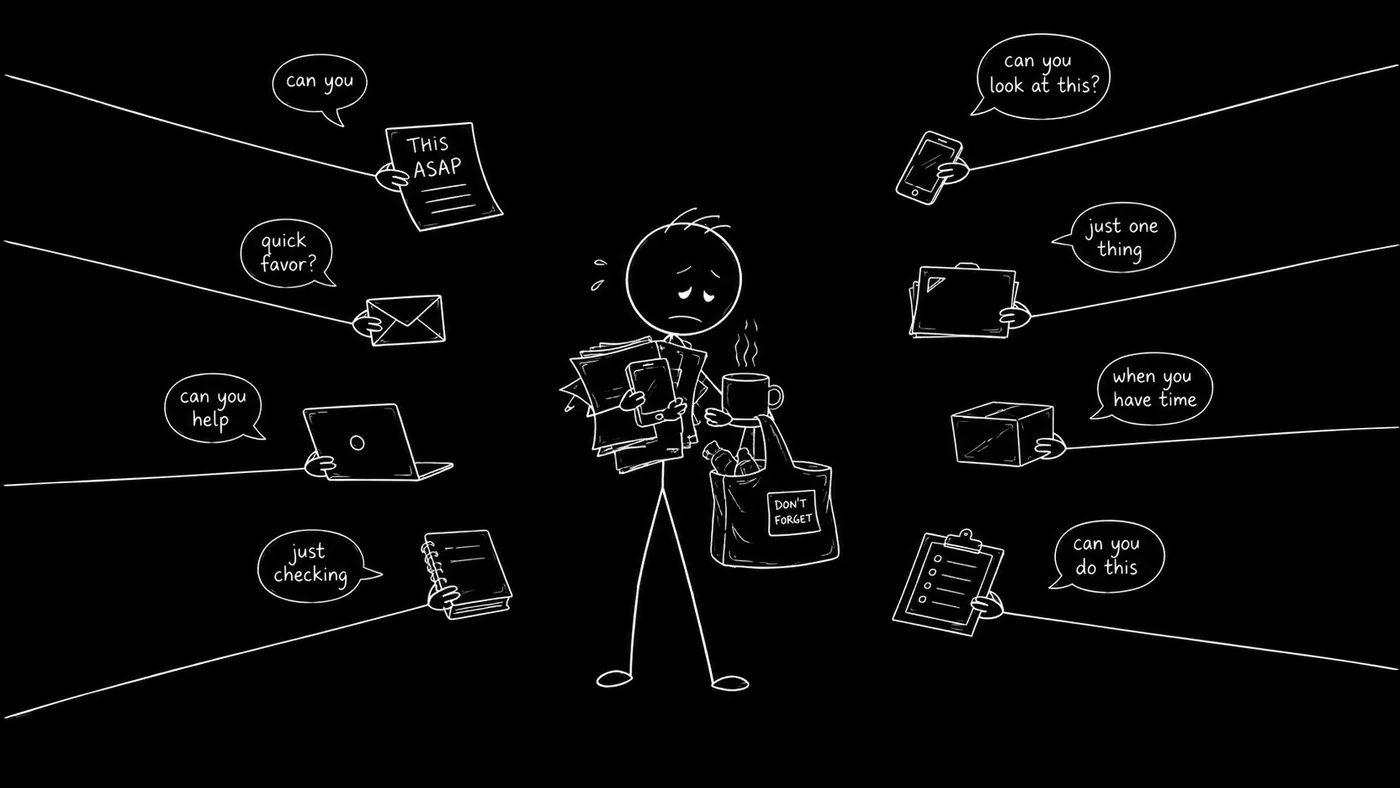
Stress is what happens when the demands on you feel greater than what you have to meet them. The key feature is that it is tied to a pressure you can name: a deadline, money, a move, a sick relative. You feel wired, tense and rushed. When the pressure eases, you recover.
Take the free stress test to see your current level.
Burnout: empty, because of one area of life
The World Health Organization describes burnout in its International Classification of Diseases (ICD-11) as a syndrome resulting from chronic workplace stress that has not been successfully managed. It lists three signs: exhaustion, growing mental distance or cynicism about the job, and reduced effectiveness. The WHO classifies it as an occupational phenomenon, not a medical condition.
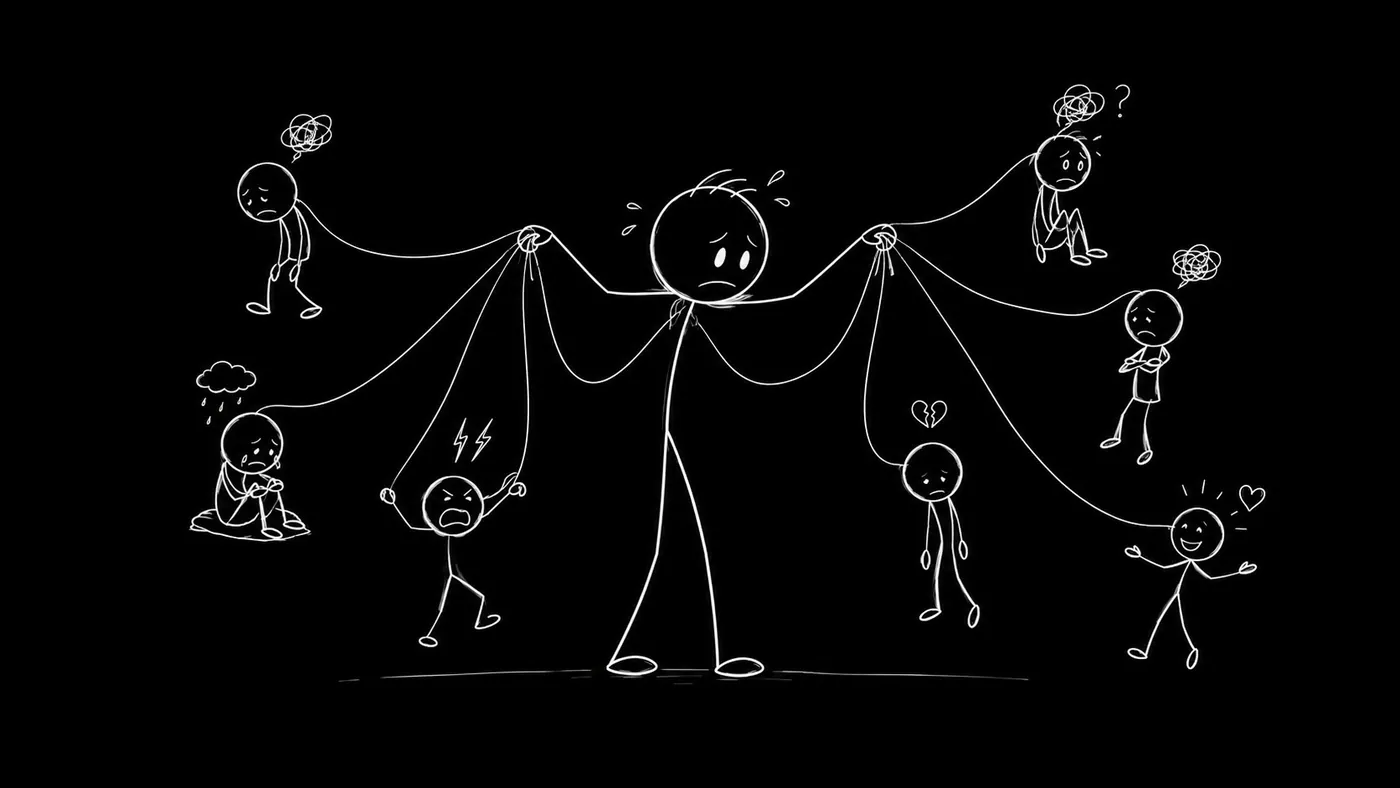
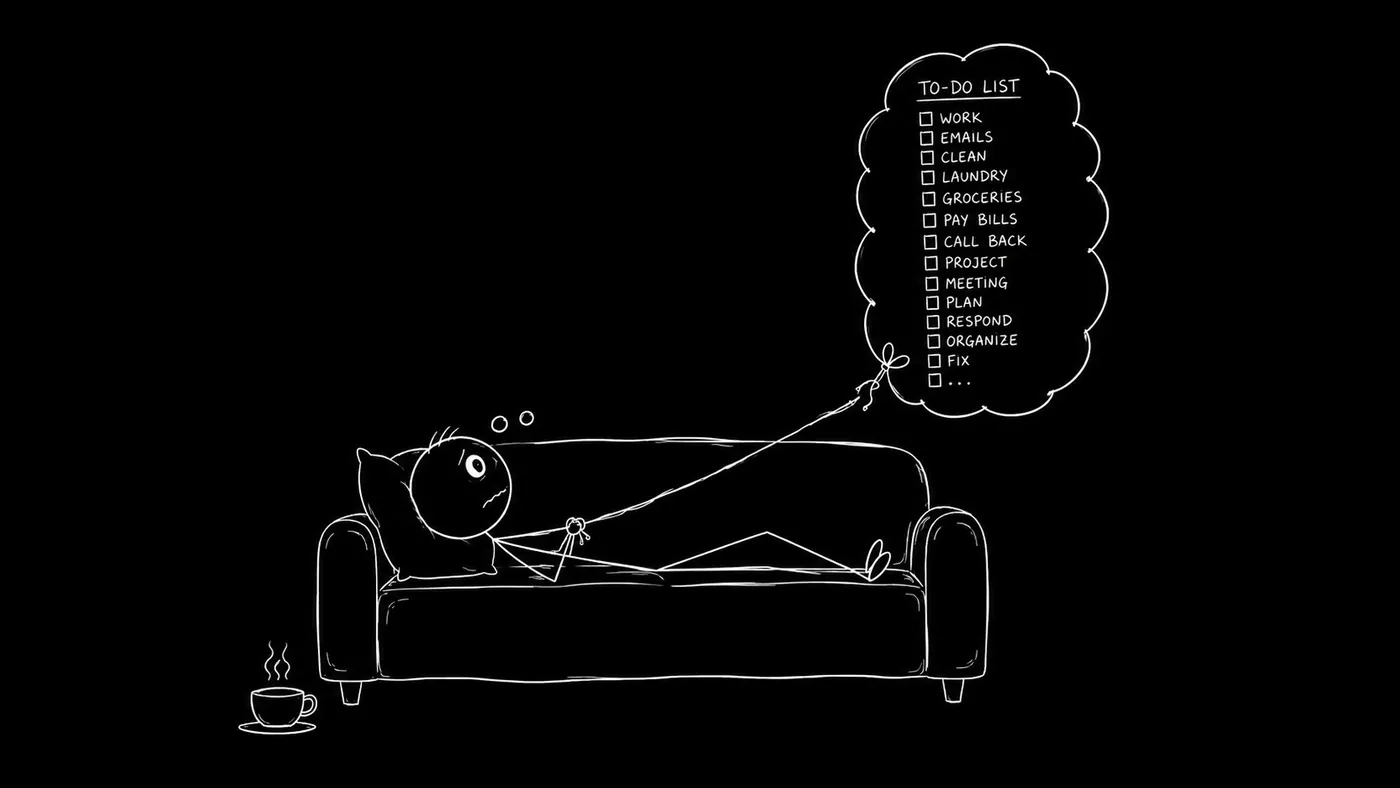
The feeling is no longer "too much" but "nothing left". A typical clue: you feel a little better away from the thing that drained you. People also describe the same pattern in caring roles and parenting.
Depression: everything, everywhere
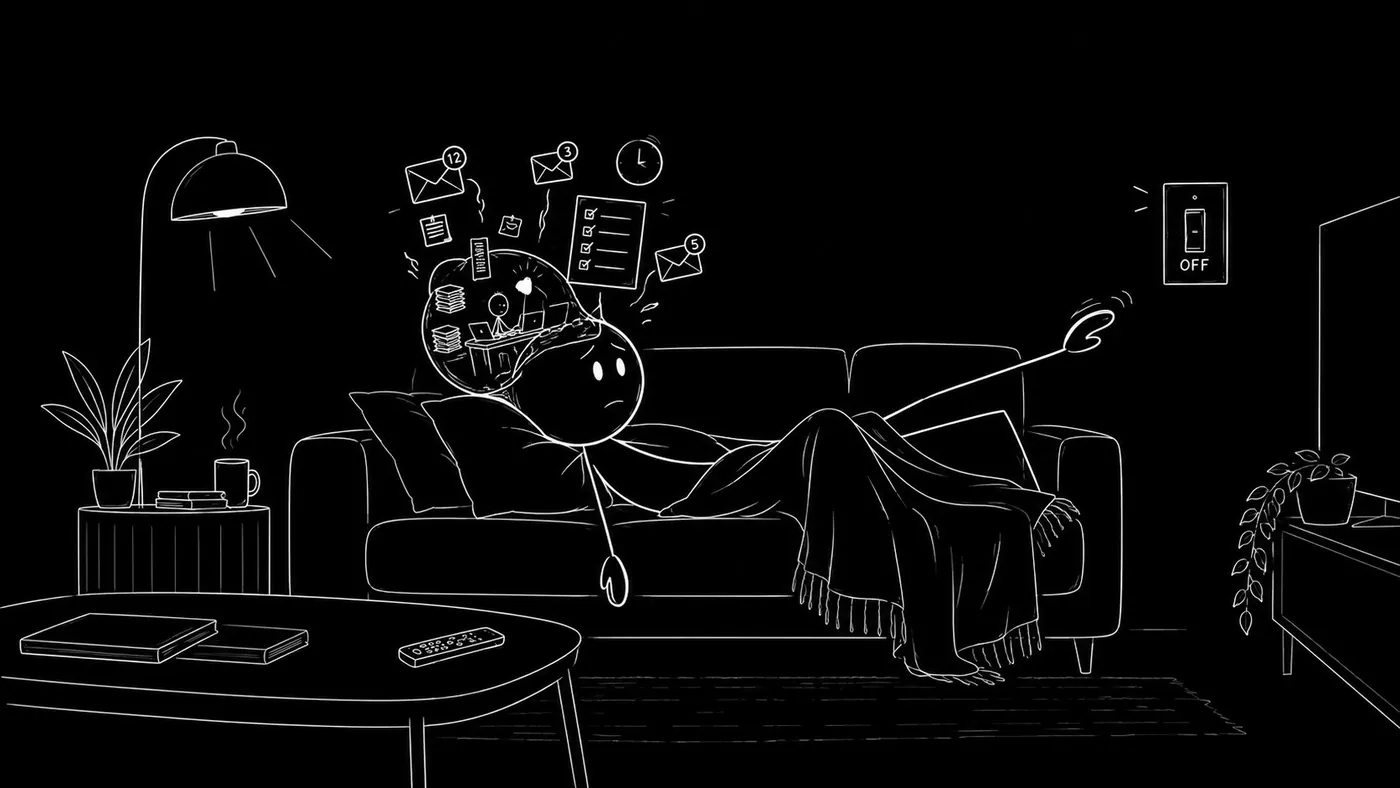
Depression is a medical condition. Its two core symptoms are a low mood and a loss of interest or pleasure, most of the day, nearly every day, for at least two weeks. Sleep, appetite, concentration and self-worth are usually affected too. Unlike burnout, it does not stay in one area: the weekend, the holiday and the things you love feel flat as well.
The PHQ-9 is the nine-question screening doctors use worldwide. Take the free PHQ-9 depression test. It takes two minutes and your answers stay on your device.
And anxiety?
Anxiety is worry and tension that continue without a clear cause, or long after the cause has gone. It often travels with all three. The GAD-7 anxiety test is the standard screening.
Side by side
| Stress | Burnout | Depression | |
|---|---|---|---|
| Main feeling | Too much | Nothing left | Nothing matters |
| Energy | Wired, tense | Drained | Heavy, slowed |
| Where | Linked to a pressure | Linked to work or a role | Every area of life |
| Time off | Helps quickly | Helps partly | Changes little |
| What it is | A normal response | An occupational phenomenon (WHO) | A medical condition |
| First step | Reduce the load, rest | Change the conditions, see a doctor if it lasts | See a doctor or psychologist |
They can turn into each other
Long stress with no recovery can become burnout. Burnout that goes on can become depression. That is why it is worth acting at the first stage, while a few changes are still enough.
Who to contact
A general practitioner or family doctor is the usual first step for all three. A doctor can check whether something physical is involved and refer you.
A psychologist, psychotherapist or licensed counsellor provides talking therapy.
A psychiatrist is a medical doctor specialised in mental health, who can diagnose and prescribe medication. This is the right person when symptoms are severe or are not improving.
Emergency services or a crisis line if you are thinking about harming yourself or do not feel safe. Call your local emergency number now. You can find a free helpline in your country at findahelpline.com.
An online test can tell you it is worth asking for help. It cannot diagnose you. Only a professional can.
If burnout is the one you recognise, The Silent Burnout is a full audiobook on the version nobody sees.
Questions people ask
What is the difference between burnout and depression?
Burnout is tied to one area of life, usually work, and tends to ease when you are away from it. The WHO classifies it as an occupational phenomenon. Depression is a medical condition that affects every area of life, with low mood or loss of pleasure nearly every day for at least two weeks.
How do I know if I am depressed or just stressed?
Stress is linked to a pressure you can name and improves when the pressure eases. Depression continues regardless of circumstances and takes the pleasure out of things you normally enjoy. A PHQ-9 screening can tell you whether it is worth seeing a professional.
Who should I see for depression, burnout or stress?
Start with a general practitioner or family doctor. A psychologist or psychotherapist provides talking therapy. A psychiatrist can diagnose and prescribe medication. In a crisis, call your local emergency number or a crisis line.
Can burnout turn into depression?
Yes. Long-term stress without recovery can become burnout, and burnout that continues can develop into depression. Acting early makes recovery easier.
Sources
- World Health Organization (2019). Burn-out an "occupational phenomenon": International Classification of Diseases (ICD-11), code QD85.
- Kroenke, K., Spitzer, R. L., & Williams, J. B. W. (2001). The PHQ-9: validity of a brief depression severity measure. Journal of General Internal Medicine, 16(9), 606-613.
- Spitzer, R. L., Kroenke, K., Williams, J. B. W., & Löwe, B. (2006). A brief measure for assessing generalized anxiety disorder: the GAD-7. Archives of Internal Medicine, 166(10), 1092-1097.
Marieme Seck is the author of self-help audiobooks available on Spotify and 30+ platforms worldwide. She is not a therapist or a doctor. Her articles are based on published research, listed above.