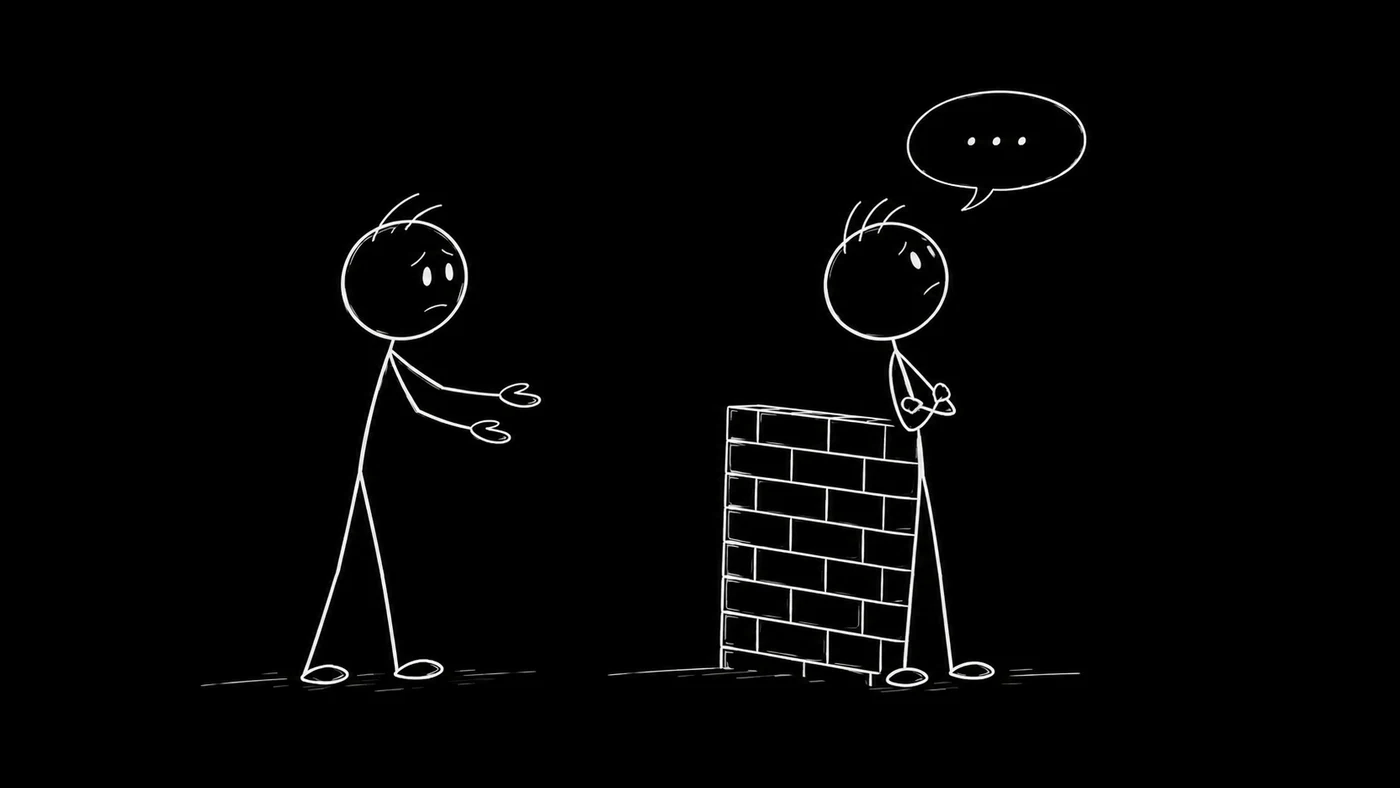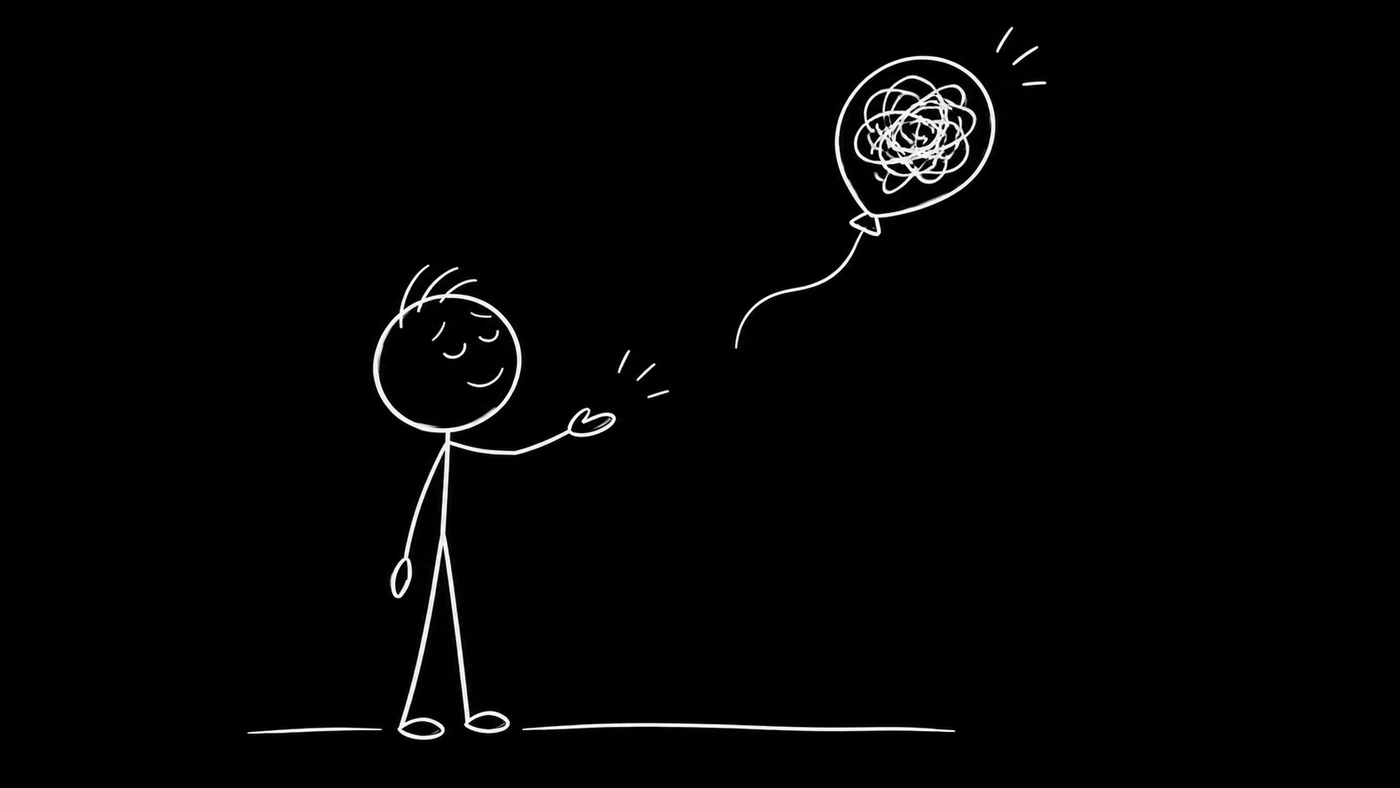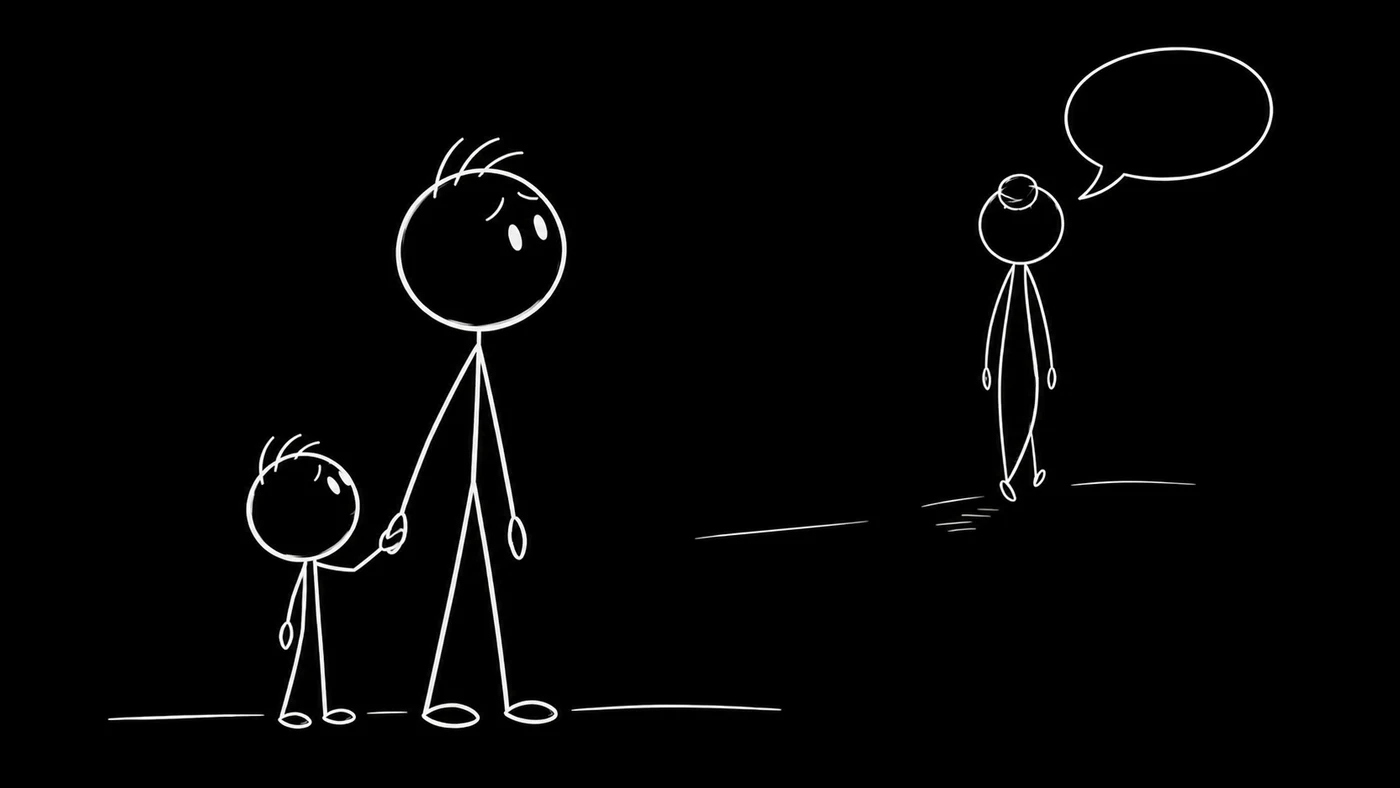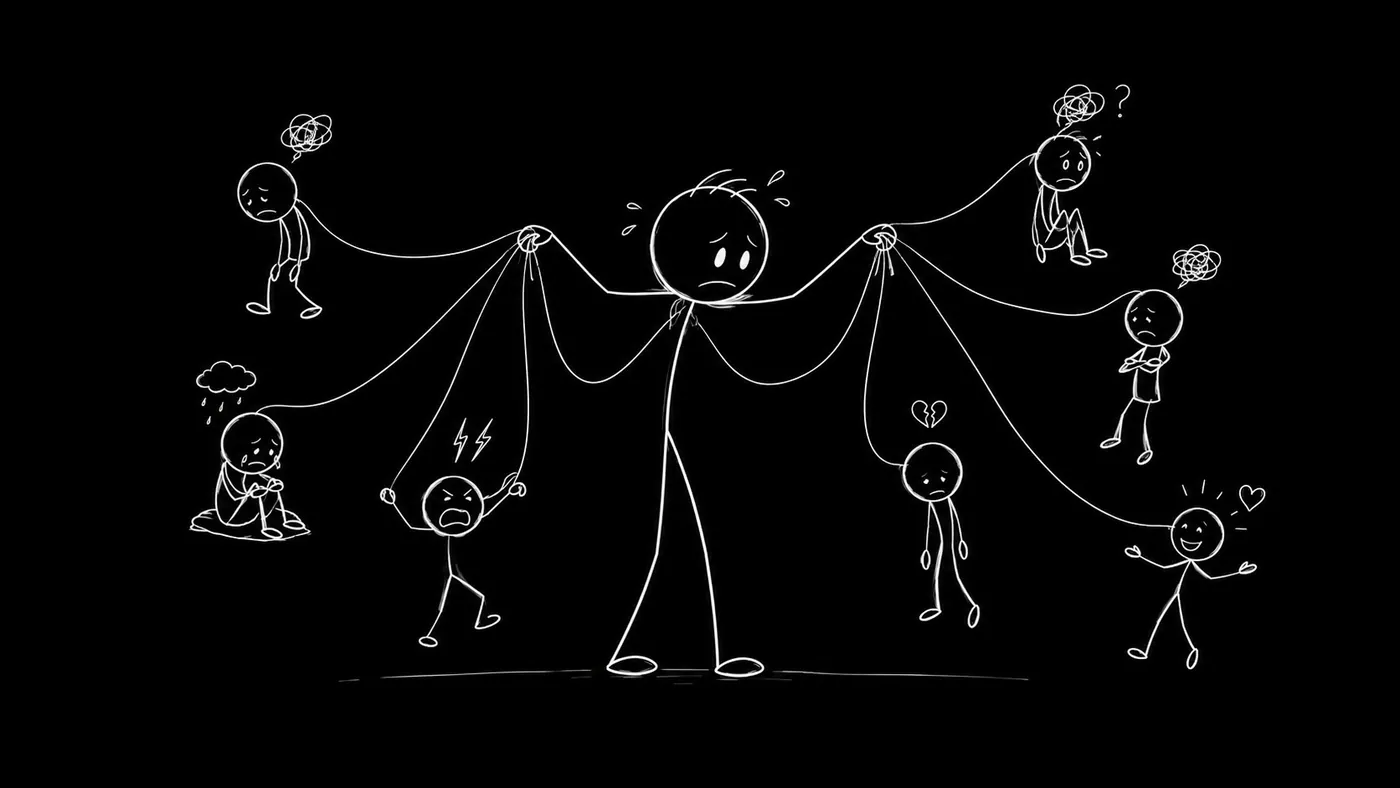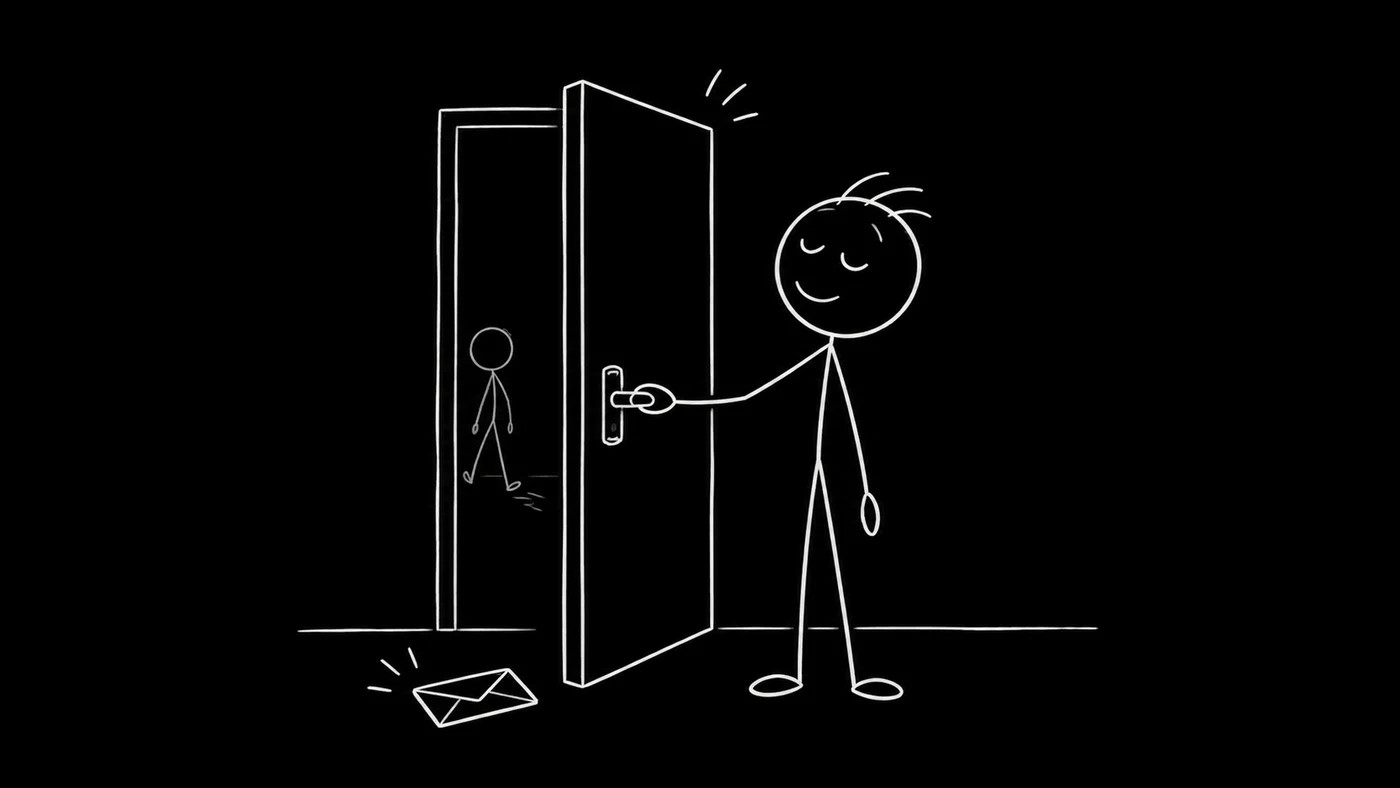
You have imagined the conversation many times. They sit down, they say they understand what they did, and something in your chest finally loosens. The scene is so clear that part of you is still waiting for it to happen.
The short answer to the question in the title is this: closure without an apology is possible, because closure was never something the other person could hand you. It is the moment you stop making your recovery depend on what they do next.
Why your mind will not let it go
An apology does three jobs at once. It confirms that what happened was real. It puts the responsibility where it belongs. And it suggests it will not happen again. When none of that arrives, the mind treats the event as unfinished business and keeps returning to it.
Research on forgiveness describes the same thing in other words. In a series of studies, psychologist Michael McCullough and his colleagues found that receiving an apology made forgiving more likely, and that rumination about the offense made it less likely (McCullough et al., 1998). No apology and a lot of replaying is the exact combination that keeps people stuck.
So the replaying is not a weakness. It is your mind looking for the missing piece. The work is to supply that piece yourself.
Five steps to close it yourself
1. Write down exactly what you are waiting to hear. Word for word. Most people have never done this. Seeing the sentence on paper shows you what you actually need: acknowledgment, an explanation, or simply the words "it was not your fault".
2. Give yourself the acknowledgment. Say it plainly: it happened, it was not okay, and I did not deserve it. This is the first job of an apology, and it does not require the other person.
3. Write the letter you will not send. Say everything, including the parts that are unfair. The mind replays what it has not been allowed to finish. An unsent letter lets it finish.
4. Separate wanting from needing. Wanting an apology is human and may never go away. Needing one in order to move is different: it hands the key to the person who hurt you.
5. Take back one thing you put on hold. A place you avoid, a hobby you dropped, a kind of trust you stopped giving. Do a small version of it this month. Closure is visible in what you do, not in how you feel about them.
What closure is not
It is not forgiveness. You can close this chapter and never forgive. It is not reconciliation either, and it is not pretending it did not matter. It also does not mean you will never think about it again. It means the thought no longer decides how your day goes.
When to get support
If what you are carrying involves abuse or violence, or if it is affecting your sleep, your work or your relationships, please talk to a qualified professional. Some things are too heavy to close alone, and that is not a failure.
The Apology You'll Never Get is a full audiobook on this: what you are really waiting for, why it so often never comes, and how to stop waiting without having to forgive anyone.
Watch the short video
From the animated series The Things Nobody Explains.
All videos →Questions people ask
Can you get closure without an apology?
Yes. Closure is the point at which you stop making your recovery depend on the other person. You can acknowledge what happened yourself, say what you never got to say in an unsent letter, and take back what you put on hold, all without their participation.
Why do I need an apology to move on?
An apology confirms that what happened was real, places the responsibility on the right person and suggests it will not happen again. Without it, the mind treats the event as unfinished and keeps replaying it.
Is closure the same as forgiveness?
No. Forgiveness is optional. Closure means the event no longer runs your life. You can have closure without ever forgiving the person.
Sources
- McCullough, M. E., Rachal, K. C., Sandage, S. J., Worthington, E. L., Brown, S. W., & Hight, T. L. (1998). Interpersonal forgiving in close relationships: II. Theoretical elaboration and measurement. Journal of Personality and Social Psychology, 75(6), 1586-1603.
Marieme Seck is the author of self-help audiobooks available on Spotify and 30+ platforms worldwide. She is not a therapist or a doctor. Her articles are based on published research, listed above.