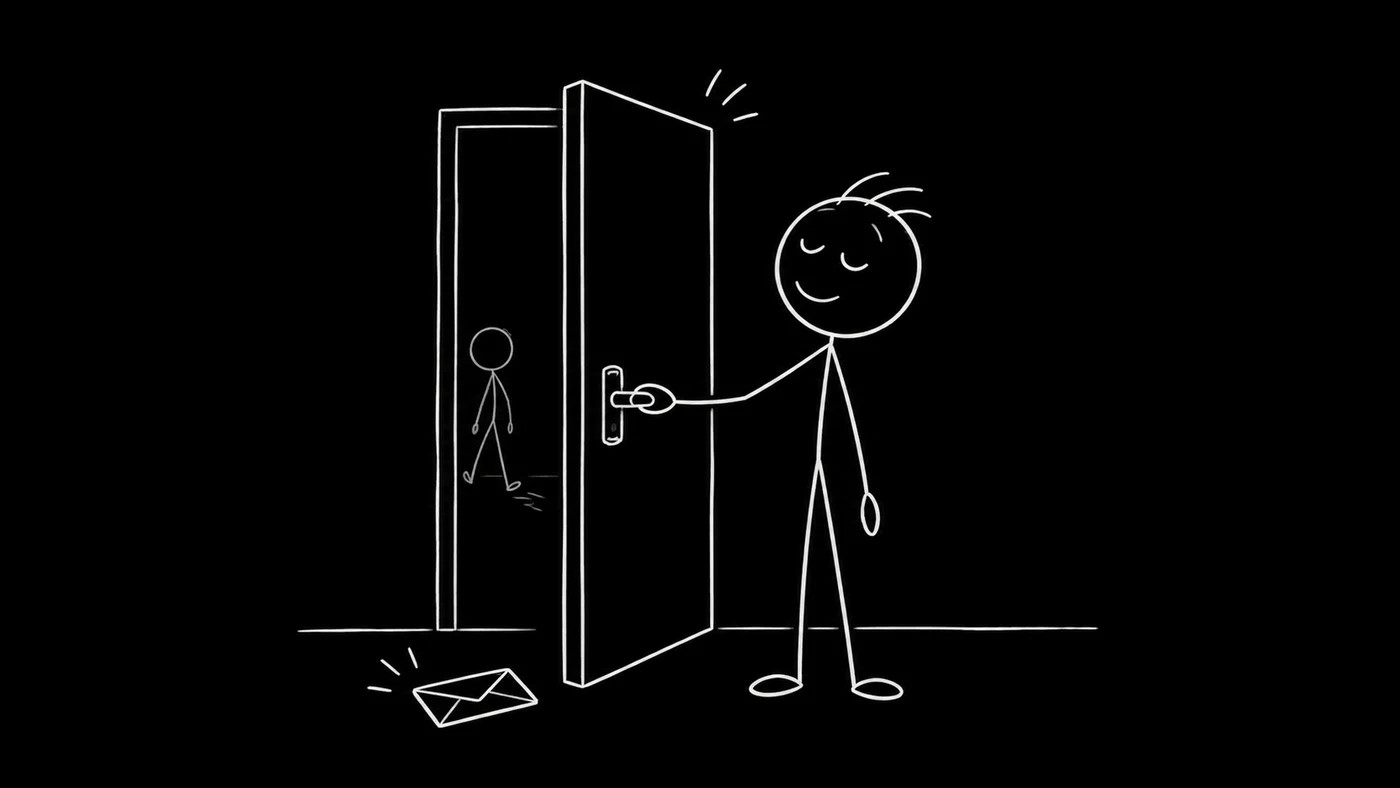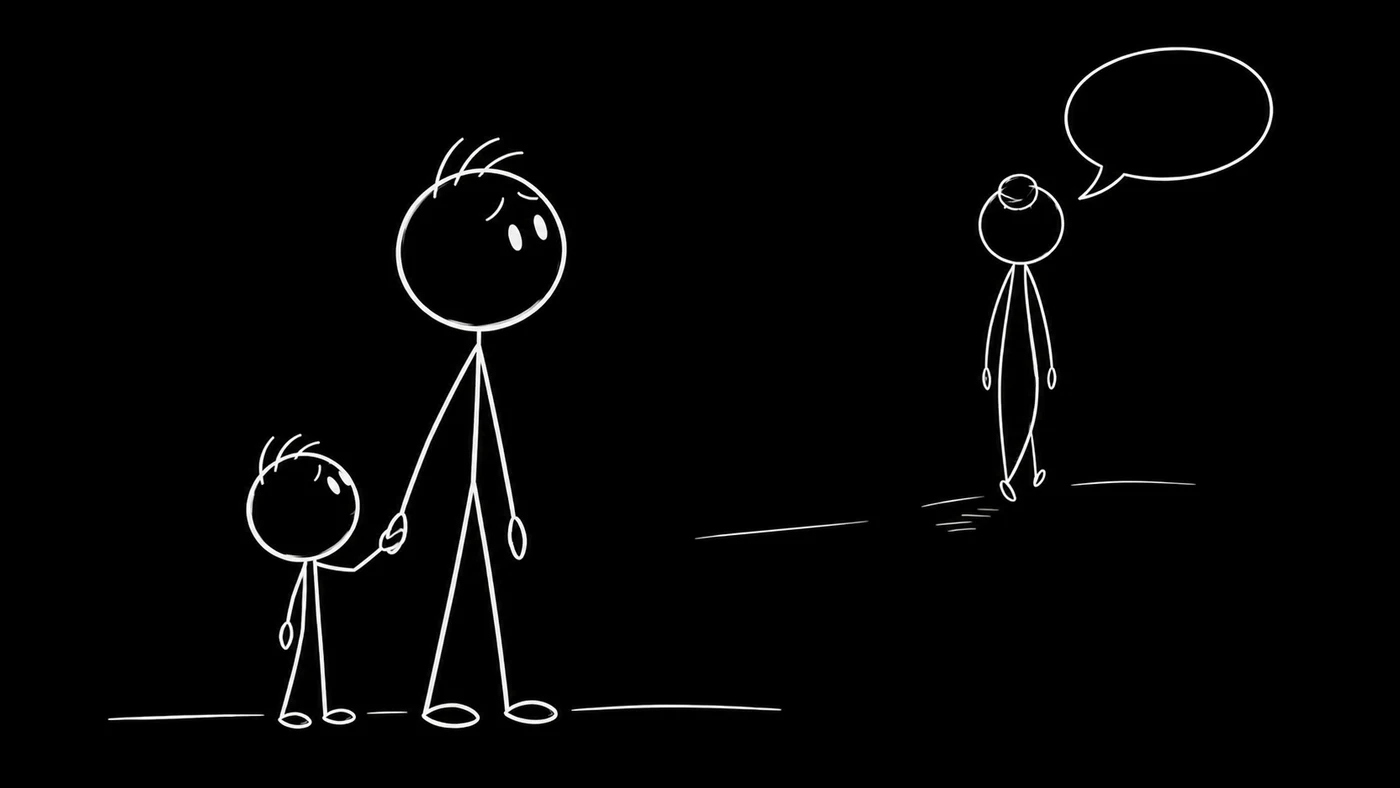
You are an adult now. You pay your own bills and make your own decisions. And yet one sentence from a parent, "I am sorry, I should not have done that", still has the power to change something in you. It has not come in twenty or thirty years. You keep a small place ready for it anyway.
Why this apology is different
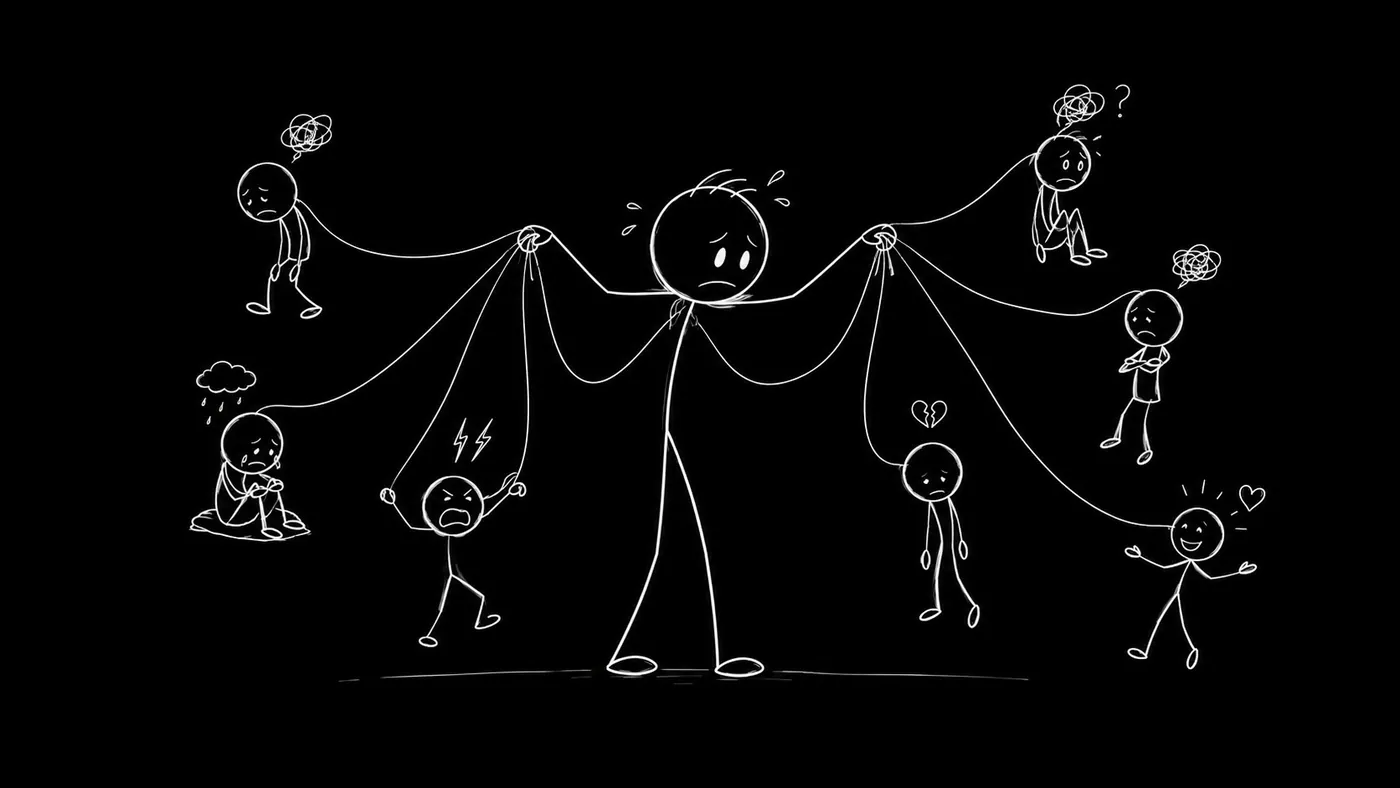
With a friend or a partner, you can decide the relationship is over. With a parent, the hurt happened when you depended on them completely, and the person who caused it is also the person you most wanted comfort from. That is why the waiting lasts so long: you are not only waiting for an apology, you are waiting for the parent you needed.
Why parents find it so hard
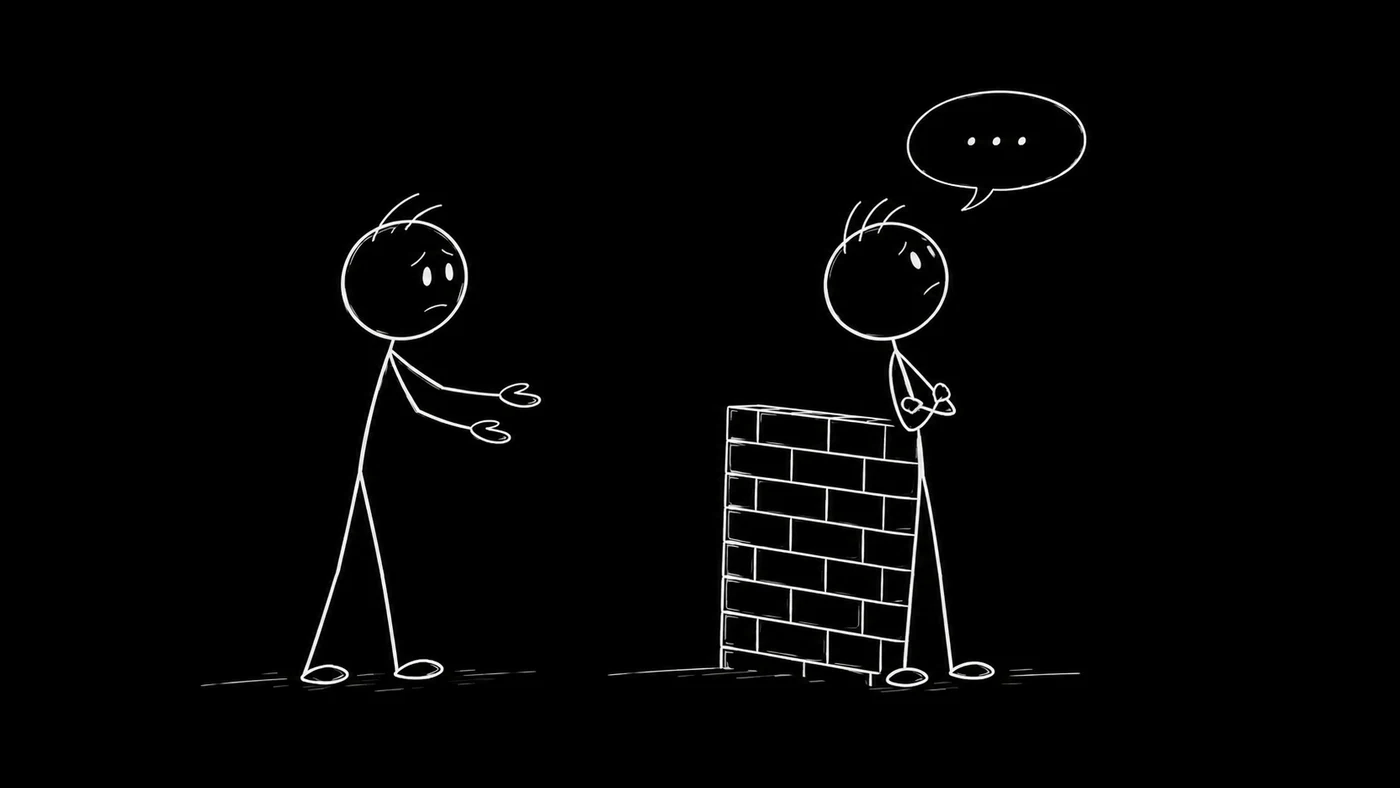
Their identity is at stake. Most parents hold on to one belief above all: I did my best. An apology can feel like tearing that belief down. Research on apology shows that people who feel their whole character is on trial are the least likely to admit fault (Schumann & Dweck, 2014).
They were raised without apologies. In many families and many cultures, adults do not apologize to children. Your parent may never have heard the sentence from their own parents and may not know it is possible.
They remember a different childhood. They remember the effort, the money, the fear. You remember the sentence that was said in the kitchen. Both memories can be sincere.
The hierarchy never changed. In their mind, you are still the child. Apologizing would mean meeting you as an equal, and some parents never make that step.
What you are really waiting for
Try to write the exact sentence you want to hear. For most people it is not "sorry". It is one of these: "It happened." "It was not your fault." "You were a child." "I see who you are now." Naming it matters, because some of these you can receive from other people, and all of them you can begin to say to yourself.
You do not have to choose between waiting and cutting them off
People often think there are only two options: keep hoping, or end the relationship. There is a third. You can keep the relationship at the level it can actually hold, and stop asking it for what it cannot give.
In practice that means: you no longer raise the subject hoping for a different answer. You decide in advance how long a visit lasts and which topics you leave. You find the acknowledgment elsewhere, from a sibling, a friend, a therapist, or on paper. And you allow yourself to be sad about the parent you did not have, which is a real loss even while the person is alive.
If the past involved abuse
If what happened was abuse or violence, distance may be the healthy choice, and you do not owe anyone contact. Please work through it with a qualified professional. Nothing in this article is a reason to stay close to someone who is still harming you.
What changes when you stop waiting
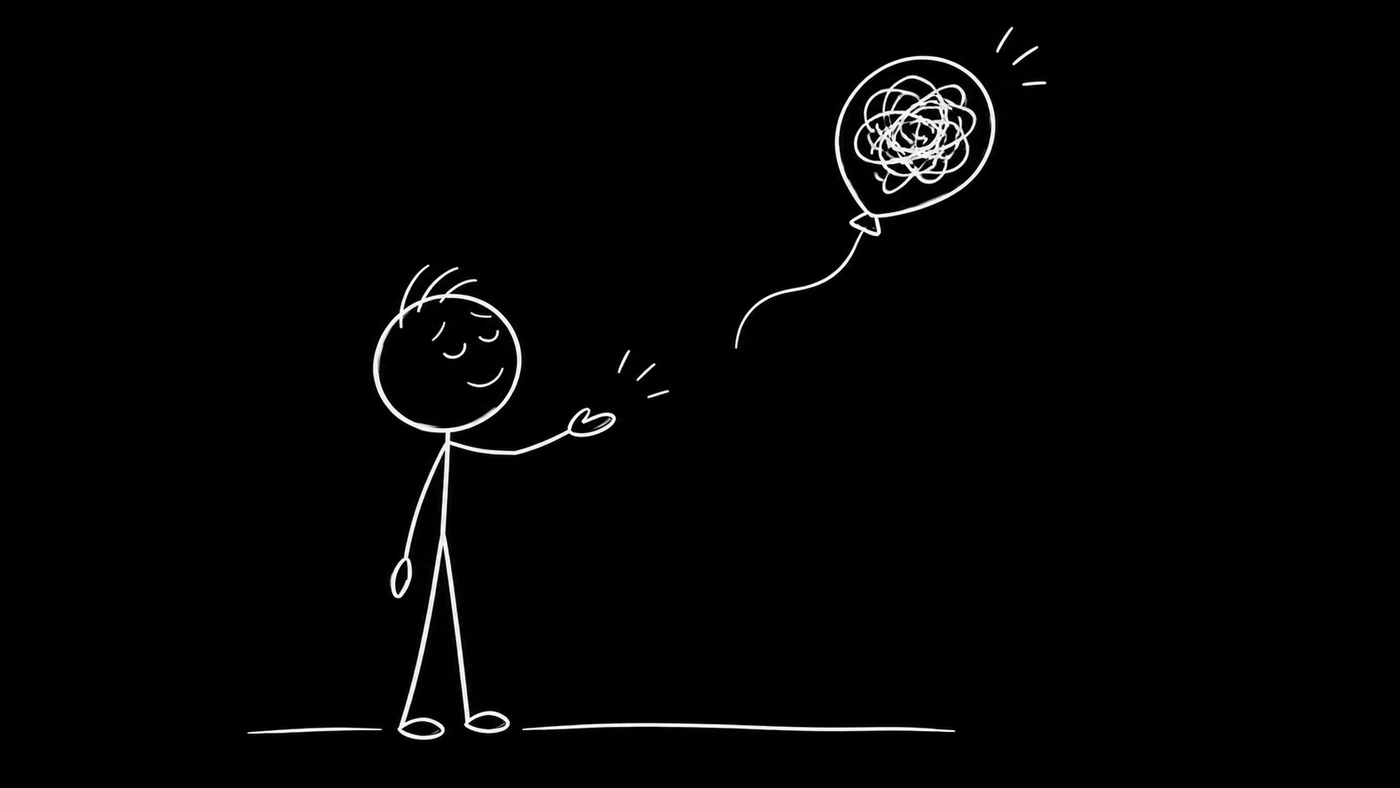
The relationship may stay exactly as it is. What changes is where your attention goes. The energy that went into rehearsing the conversation comes back to you. You stop reading every phone call for signs. And you become, for yourself, the adult who says the sentence you needed.
The Apology You'll Never Get is a full audiobook on this: what you are really waiting for, why it so often never comes, and how to stop waiting without having to forgive anyone.
Questions people ask
Why will my parent not apologize?
Common reasons are that an apology threatens their belief that they did their best, that they were raised in a family where adults never apologized to children, that they remember events differently, or that they still see you as a child rather than an equal.
How do I heal without an apology from my parents?
Name the exact sentence you are waiting to hear, give yourself that acknowledgment, find witnesses elsewhere such as a sibling, friend or therapist, set limits on visits and topics, and allow yourself to grieve the parent you did not have.
Do I have to cut off a parent who will not apologize?
No. Between waiting and cutting contact there is a third option: keeping the relationship at the level it can hold and no longer asking it for what it cannot give. If there was abuse, distance can be the healthy choice.
Sources
- Schumann, K., & Dweck, C. S. (2014). Who accepts responsibility for their transgressions? Personality and Social Psychology Bulletin, 40(12), 1598-1610.
Marieme Seck is the author of self-help audiobooks available on Spotify and 30+ platforms worldwide. She is not a therapist or a doctor. Her articles are based on published research, listed above.