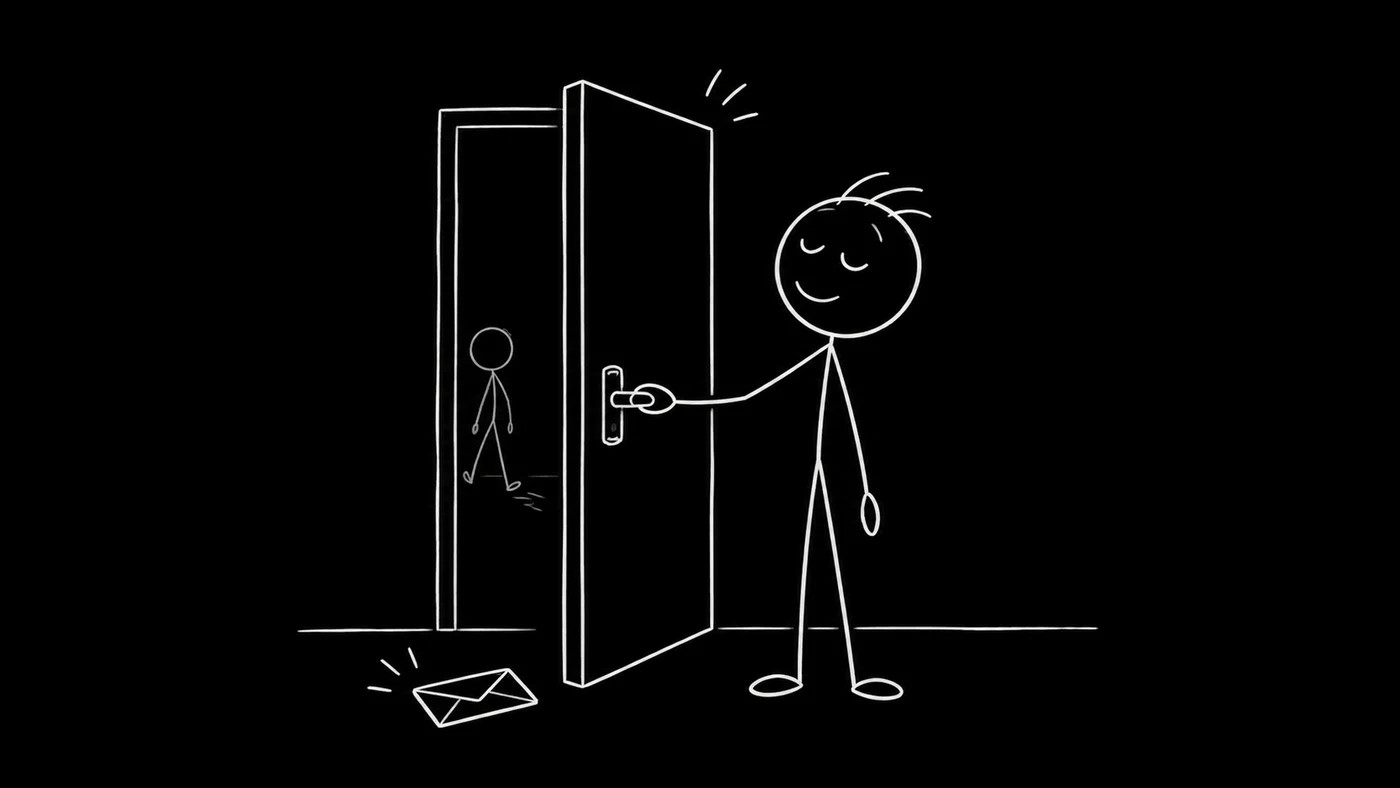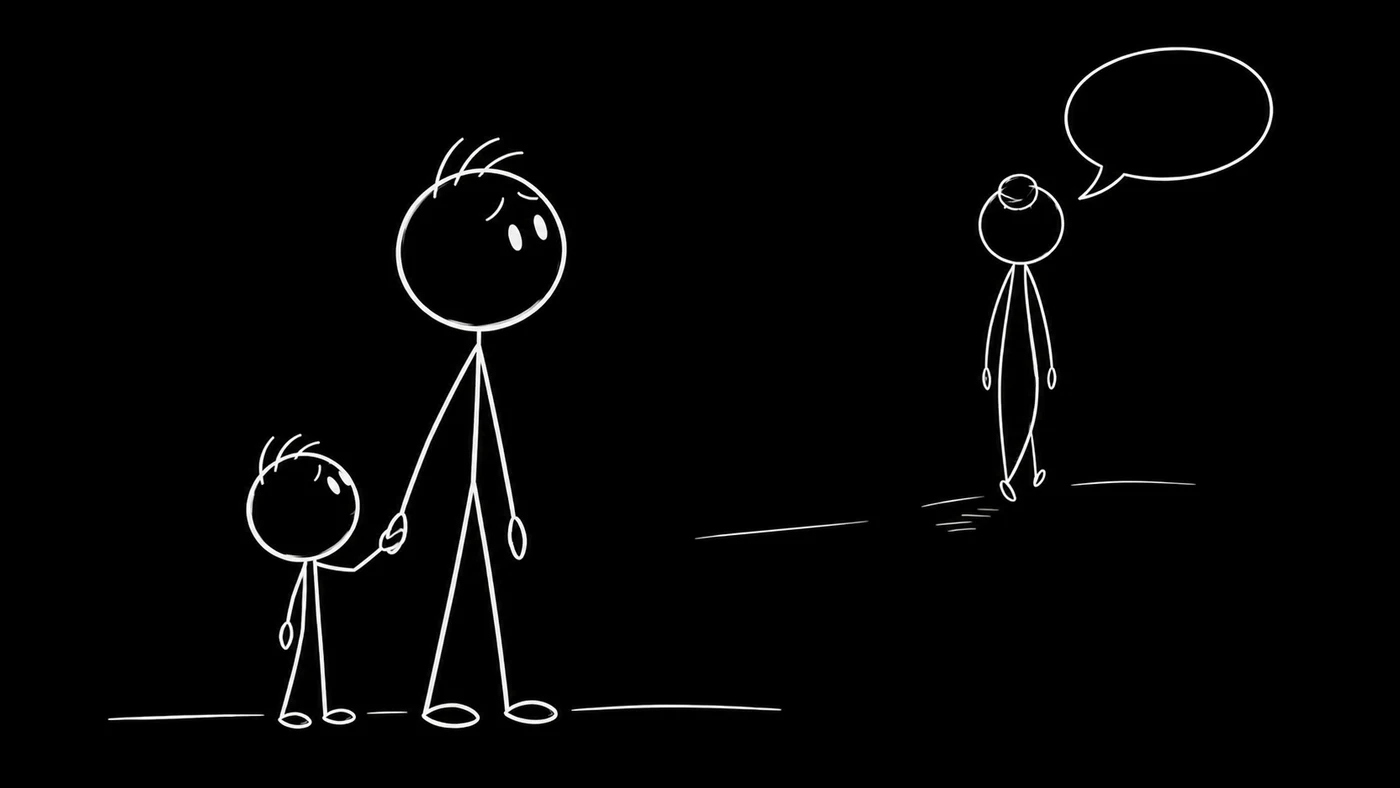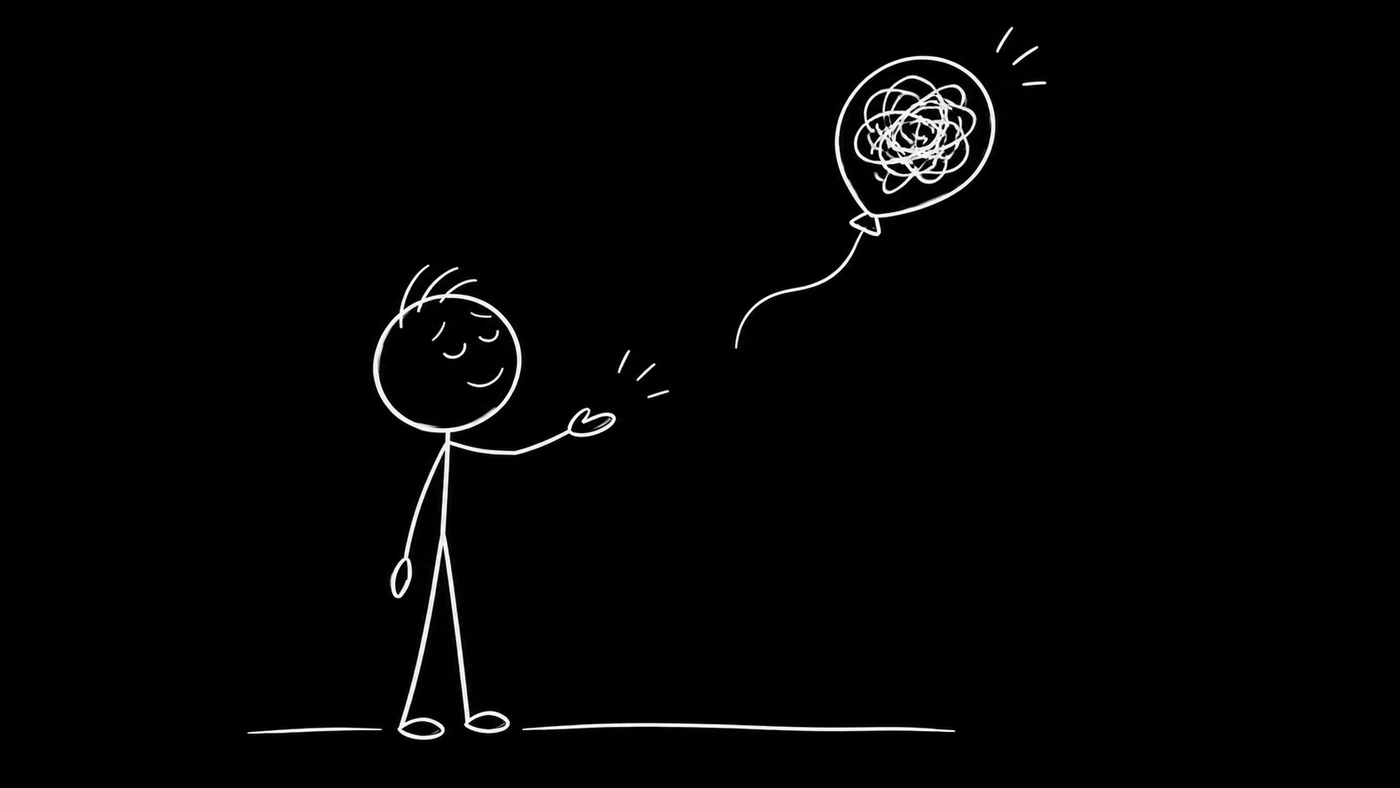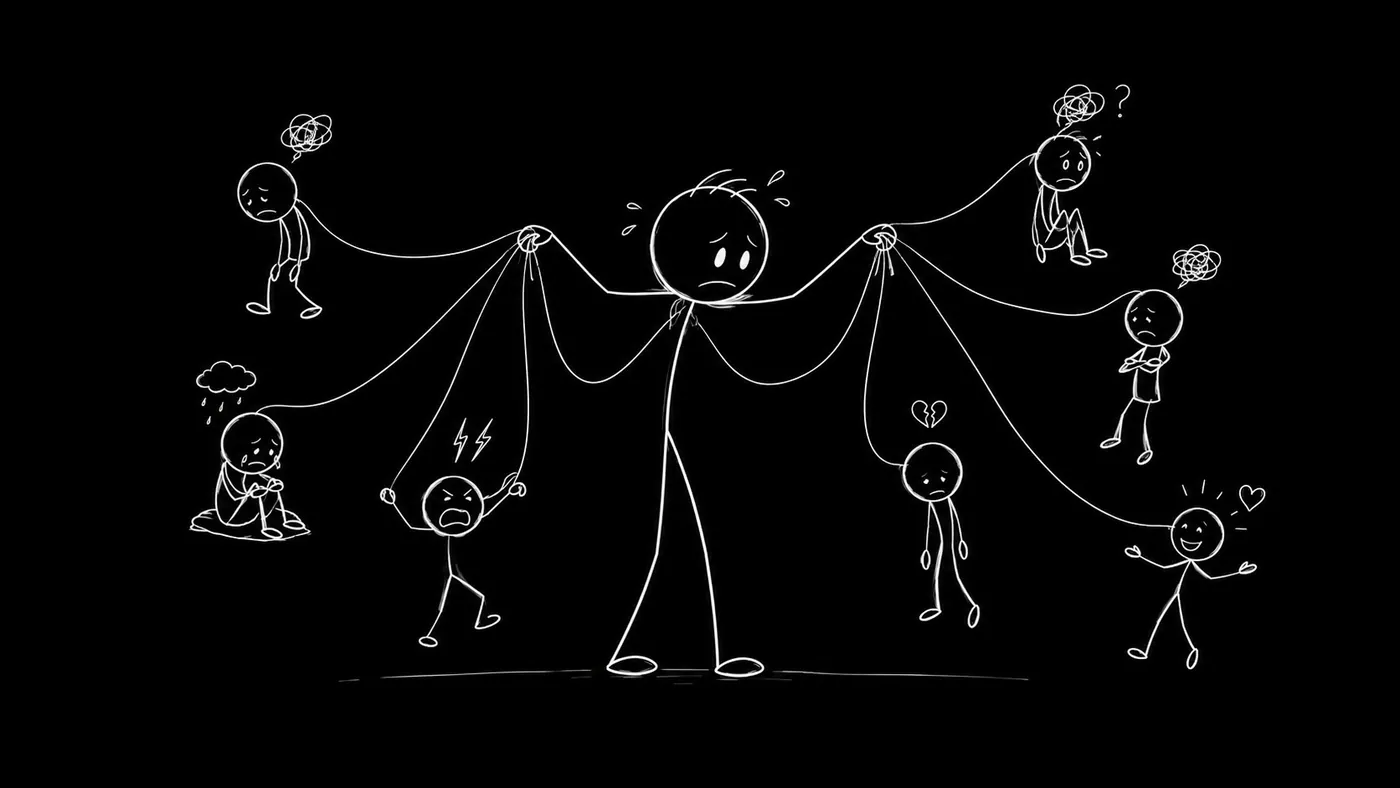
You have explained it calmly. You have explained it angrily. You have waited months, sometimes years. And the sentence still does not come. At some point the question changes from "when will they apologize" to "why can they not".
There are several reasons, and research has studied some of them directly. None of them is about how much you were hurt.
1. Not apologizing feels good
This is the uncomfortable finding. In two studies, researchers Tyler Okimoto, Michael Wenzel and Kyli Hedrick asked people to recall a time they had wronged someone. Those who refused to apologize reported higher self-esteem than those who did nothing, along with stronger feelings of power and control and of being true to their values (Okimoto et al., 2013).
In other words, refusing protects something for the person who refuses. It is a defensive move that pays off in the short term, which is why it is so hard to give up.
2. They believe people do not change
Psychologists Karina Schumann and Carol Dweck looked at who accepts responsibility after hurting someone. Across four studies, people who see personality as something that can develop were more likely to admit fault. People who see personality as fixed were less likely to, because admitting a wrong felt like admitting to being a bad person for good (Schumann & Dweck, 2014).
For someone with that view, "I did something bad" and "I am bad" are the same sentence. So they defend against both.
3. Shame is too big
Guilt says "I did something wrong". Shame says "there is something wrong with me". A person who cannot tolerate shame will rewrite the story, minimise it or attack you for raising it, because all of those hurt less than looking at it.
4. They remember it differently
Memory is not a recording. Two people can leave the same scene with two sincere and incompatible versions. Some of the people you are waiting on are not refusing to apologize. They honestly do not see what there is to apologize for.
5. They have moved on, and you have not
This one stings most. For them, the event is small and old. They are not thinking about it at all. Your silence reads to them as everything being fine.
What their silence does not mean
It does not mean it did not happen. It does not mean it was not serious. And it does not mean you are asking for too much. Every reason on this list is about their ability to face themselves. None is a verdict on your pain.
What you can do with this
Understanding why someone cannot apologize is not the same as excusing them. It simply tells you where to stop putting your energy. If the obstacle is inside them, no better explanation from you will remove it. The part you control is whether your life keeps waiting.
The Apology You'll Never Get is a full audiobook on this: what you are really waiting for, why it so often never comes, and how to stop waiting without having to forgive anyone.
Watch the short video
From the animated series The Things Nobody Explains.
All videos →Questions people ask
Why do some people never apologize?
Research points to several reasons: refusing to apologize protects self-esteem and a sense of power (Okimoto et al., 2013), people who believe personality is fixed find it more threatening to admit fault (Schumann & Dweck, 2014), shame can be too painful to face, and some people sincerely remember events differently.
Does not apologizing mean they do not care?
Not necessarily. It usually means that admitting the wrong feels too threatening to their image of themselves. Their silence is about their ability to face themselves, not about how much you were hurt.
Should I ask for an apology?
You can ask once, clearly, saying what happened and what you need to hear. If it does not come, repeating the request rarely changes the outcome, and the next step is deciding how to move forward without it.
Sources
- Okimoto, T. G., Wenzel, M., & Hedrick, K. (2013). Refusing to apologize can have psychological benefits (and we issue no mea culpa for this research finding). European Journal of Social Psychology, 43(1), 22-31.
- Schumann, K., & Dweck, C. S. (2014). Who accepts responsibility for their transgressions? Personality and Social Psychology Bulletin, 40(12), 1598-1610.
Marieme Seck is the author of self-help audiobooks available on Spotify and 30+ platforms worldwide. She is not a therapist or a doctor. Her articles are based on published research, listed above.